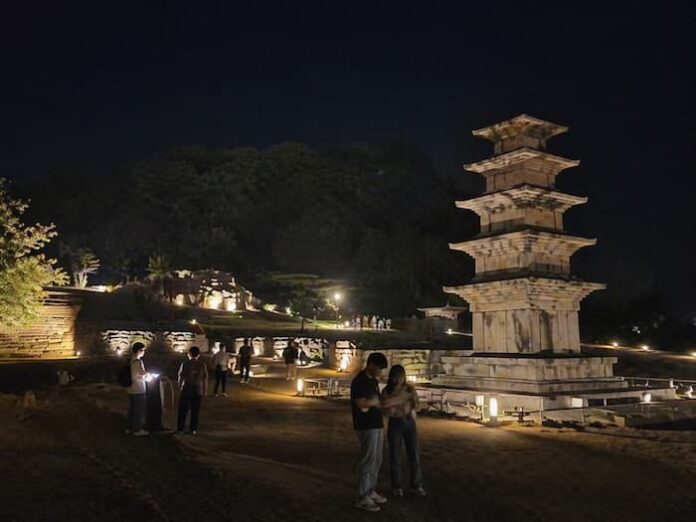
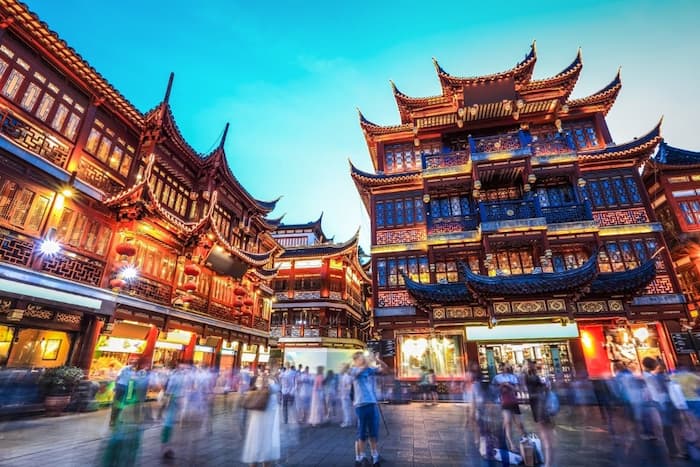
정림사지 일원은 ‘2026 부여 국가유산 야행’의 주요 무대가 됐다. 부여군은 이 일대에서 야간 문화유산 프로그램과 외국인 팸투어를 함께 운영하며 백제 왕도 부여의 매력을 알리는 데 힘을 쏟았다.
13개국 23명 팸투어 참가… 정림사지·궁남지·부소산성 돌며 백제 문화유산 체험
김미래 기자 ㅣ 여행레저신문
충남 부여군의 밤이 세계와 만났다. 부여군이 지난 4월 17일부터 19일까지 정림사지 일원에서 연 ‘2026 부여 국가유산 야행’이 성황리에 막을 내렸다. 올해 행사는 백제의 옛 수도가 지닌 고요한 품격 위에 빛과 체험, 공연과 전시를 겹쳐 올리며, 낮과는 다른 부여의 얼굴을 보여줬다. 특히 외국인 팸투어가 함께 진행되면서 이번 야행은 단순한 지역 축제를 넘어, 부여가 품은 문화유산의 국제적 확장 가능성을 확인한 자리로 이어졌다.
부여 국가유산 야행은 백제 국가유산을 밤에 즐기도록 기획된 야간 특화 문화체험 프로그램이다. 올해는 ‘백제목간, 나무에 새겨진 비밀’을 주제로 내걸고 이른바 ‘8야(夜)’ 프로그램을 중심으로 공연·체험·전시 등 모두 56개 프로그램을 운영했다. 관람객들은 정림사지 오층석탑을 배경으로 부여의 봄밤을 걷고, 보고, 듣고, 만지며 오래된 왕도의 시간을 몸으로 체험했다. 문화유산 관광은 유적의 숫자만으로 힘을 얻지 못한다. 공간의 이야기와 이동의 리듬, 현장 체험의 기억이 함께 작동할 때 비로소 목적지가 된다. 그런 점에서 올해 부여 야행은 보여주는 행사에 머물지 않고, 밤이라는 시간대까지 관광 콘텐츠로 끌어들였다는 점에서 한층 완성도가 높아졌다.
눈길을 끈 것은 4월 17일부터 18일까지 이틀간 진행된 외국인 팸투어였다. 이번 팸투어에는 칠레, 투르크메니스탄, 벨라루스, 콜롬비아, 러시아, 케냐, 알제리, 방글라데시, 파키스탄, 미국, 이라크, 튀르키예, 중국 등 13개국 출신 23명이 참여했다. 이들은 첫날 부여향교에서 한국의 전통 예법과 다례 문화를 체험한 뒤 정림사지 오층석탑 소원 탑돌이에 참여하며 백제 왕도의 밤을 직접 느꼈다. 현장을 찾은 관람객들에게도 외국인 참가자들의 존재 자체가 또 하나의 풍경이 됐다. 부여의 전통과 세계인의 시선이 한 공간에서 만나는 장면은 이번 야행의 상징처럼 보였다.
일부 참가자들은 ‘백제목간’ 미션 투어에도 참여했다. 백강문화원과 국립박물관 등으로 이어지는 동선 속에서 다섯 개의 도장을 모으는 방식으로 구성된 이 프로그램은 단순 관람보다 한 걸음 더 깊은 몰입을 이끌었다. 유산을 설명으로만 듣는 데서 그치지 않고, 장소를 따라 움직이며 이야기의 조각을 맞추게 한 점이 인상적이었다. 좋은 문화유산 행사는 보는 데서 끝나지 않는다. 머물게 하고, 걷게 하고, 찍게 하고, 다시 찾게 만들어야 한다. 이번 부여 야행은 그 기본을 비교적 충실하게 갖춘 사례에 가깝다.
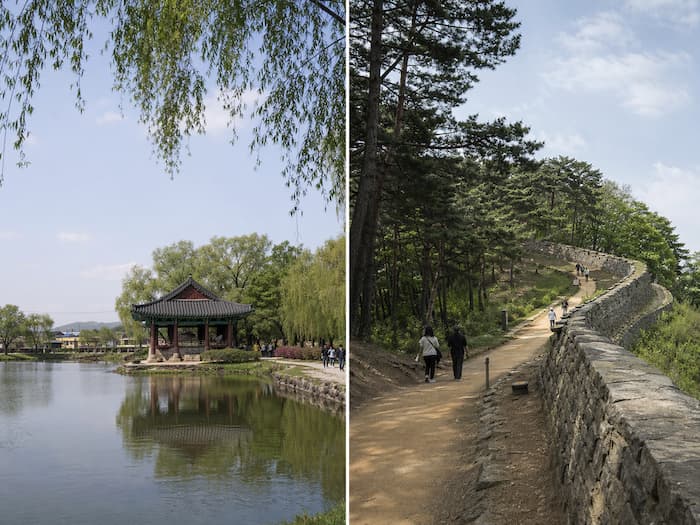
궁남지와 부소산성은 외국인 방문객들에게 부여의 역사와 풍경을 함께 보여주는 대표 명소다. 부여군은 이번 야행 기간 팸투어와 연계한 현장 프로그램을 통해 문화유산 관광도시 부여의 이미지를 넓히는 데 주력했다.
둘째 날 일정은 더 넓게 펼쳐졌다. 참가자들은 궁남지, 국립부여박물관, 정림사지 박물관, 부소산성을 조별로 돌아보며 백제 문화유산의 결을 살폈고, 롯데아울렛과 백제문화단지 일원에서는 ‘베스트 샷’ 미션 투어를 진행하며 부여의 풍경을 카메라에 담았다. 관광과 문화유산, 기록과 확산을 한 흐름으로 묶은 구성이다. 외국인 팸투어를 단순 초청 행사로 끝내지 않고 SNS 확산과 현장 체험형 동선으로 연결한 점도 눈에 띈다. 오늘의 관광 홍보는 안내문보다 경험의 공유가 더 오래 남는다. 부여군이 이번 팸투어에 공을 들인 이유도 여기에 있다.
벨라루스 국적의 참가자 카테리나 양은 “백제의 왕도 부여에 온 경험은 매우 특별했고, 부여가 세계의 문화유산을 품은 아름다운 도시라는 것을 알게 됐다”며 “가족과 친구들에게 부여를 널리 알리겠다”고 말했다. 이 한마디는 이번 행사의 성격을 잘 보여준다. 지역 축제가 지역 안에서만 끝나는 것이 아니라, 경험한 사람이 스스로 전달자가 되는 구조다. 관광 홍보의 언어보다 체험의 언어가 더 멀리 간다는 점에서, 이번 야행은 스마트한 접근이었다.
부여는 원래 얘깃거리가 넘치는 곳이다. 송국리 문화의 뿌리와 백제 사비시대의 기억이 켜켜이 남아 있고, 도시 전체가 오랜 시간의 층위를 품고 있다. 그러나 문화유산 도시는 설명만으로 살아나지 않는다. 직접 걷고, 머물고, 사진을 찍고, 밤의 공기를 맡아야 비로소 기억으로 남는다. 이번 부여 국가유산 야행은 바로 그 지점을 정확히 건드렸다. 고도(古都)의 품격을 지키면서도 오늘의 관광 문법으로 다시 풀어낸 것이다.
지방 도시의 문화행사가 자칫 한 번 열고 끝나는 이벤트에 그치는 경우도 적지 않다. 그러나 이번 부여 야행은 문화유산의 보존 가치와 관광 콘텐츠의 체류 가치를 함께 높이는 야간형 문화관광 모델로 읽힌다. 낮 시간 중심의 관람형 관광에서 한 걸음 더 나아가, 밤 시간대 체류와 현장 경험, 온라인 확산을 한 흐름으로 묶어냈다는 점에서 의미가 작지 않다. 부여가 가진 강점은 유산의 양이 아니라, 시간의 밀도를 도시 전체에 품고 있다는 데 있다. 그 시간을 밤의 콘텐츠로 다시 풀어낸 점이 이번 야행의 가장 큰 성과로 보인다. 행사 종료와 함께 불이 꺼졌다고 해서 그 효과까지 끝난 것은 아니다. 부여의 밤을 걸은 사람들의 사진과 기억은 이제 또 다른 방식으로 세계를 향해 퍼져나갈 것이다.
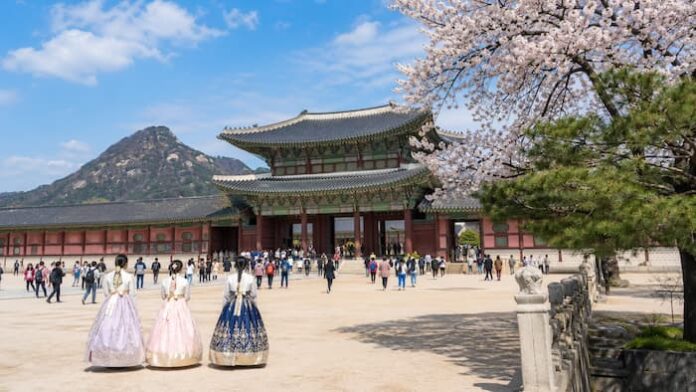
국가관광전략회의의 위상 강화는 경복궁 같은 대표 관광자산이 실제 관광 활성화로 이어지도록 만드는 정책 실행력으로 증명돼야 한다.
이정찬 발행인 ㅣ 여행레저신문
국가관광전략회의를 대통령 소속으로 격상하는 내용을 담은 「관광기본법」 개정안이 국무회의를 통과했다. 관광정책 최고 의사결정기구인 국가관광전략회의의 위상을 국무총리 소속에서 대통령 소속으로 높였다는 점에서 이번 조치는 분명한 의미를 갖는다. 정부가 관광을 문화행사나 단순 지역축제 차원이 아니라 국가 전략산업으로 다루겠다는 의지를 제도에 담았다는 점에서는 평가할 만하다.
관광은 한 부처가 단독으로 끌고 갈 수 있는 분야가 아니다. 입국 제도와 항공, 교통, 숙박, 쇼핑, 지역개발, 문화정책, 디지털 홍보, 해외 마케팅이 함께 움직여야 성과가 나는 산업이다. 그런 점에서 국가관광전략회의를 대통령 소속으로 격상한 것은 범정부 관광정책 추진 체계를 강화했다는 의미가 있다. 부처 간 이해관계가 얽힌 사안을 조정하고, 관광정책을 국가 어젠다로 밀어붙일 수 있는 무게가 커졌다는 점도 부인하기 어렵다.
이번 관광기본법 개정안에는 관광진흥계획 수립뿐 아니라 추진 실적 평가와 정책 반영 기능도 추가됐다. 계획을 세우고 발표하는 데서 그치지 않고, 실제 집행 결과를 점검해 다시 정책에 반영하는 구조를 제도화하겠다는 뜻이다. 그동안 관광정책이 발표 당시에는 거창했지만 사후 점검과 책임 관리에서는 힘이 빠졌다는 점을 생각하면, 이런 보완 자체는 맞는 방향이다.
다만 국가관광전략회의가 대통령 소속이 됐다고 해서 관광정책의 전문성이 저절로 생기는 것은 아니다. 소속이 올라갔다고 현장을 아는 사람이 갑자기 늘어나는 것도 아니고, 지역 관광의 구조적 문제가 저절로 풀리는 것도 아니다. 간판은 높아졌지만 내용이 따라가지 못하면 이번 격상은 제도 개선이 아니라 상징 정치에 그칠 수 있다. 관광정책은 회의체의 격보다 그 안에 들어가는 사람, 기준, 실행 방식이 더 중요하다.
한국 관광정책의 약점은 오래전부터 반복돼 왔다. 중앙정부는 늘 큰 구호를 내걸었지만, 현장에서는 비슷한 문제가 되풀이됐다. 지역관광은 행사 중심으로 흘렀고, 외국인 관광은 수도권 집중에서 쉽게 벗어나지 못했다. 관광객 수는 늘었다고 발표하지만 체류일수, 객단가, 재방문율, 지역상권 파급효과 같은 질적 성과는 기대에 미치지 못한 경우가 많았다. 예산은 투입됐지만 민간이 지속적으로 수익을 내는 구조는 약했고, 화려한 슬로건에 비해 관광정책의 현장 체감도는 높지 않았다.
이 때문에 이번 국가관광전략회의 대통령 소속 격상이 진짜 전환점이 되려면 기준부터 달라져야 한다. 관광정책은 방문객 숫자만으로 평가해서는 안 된다. 체류시간이 늘었는지, 지역에 돈이 도는지, 외국인이 다시 오고 싶은 환경이 됐는지, 지방 관광이 서울의 보조 코스가 아니라 독립된 목적지가 됐는지를 봐야 한다. 관광대국은 표어로 만들어지지 않는다. 관광기본법 개정의 효과 역시 회의 개최 횟수가 아니라 현장의 변화로 입증돼야 한다.
관광정책의 전문성도 더 엄격하게 따져야 한다. 정책회의에 공무원과 공공기관, 연구자만 앉아 있다고 해서 현장을 아는 것은 아니다. 인바운드 업계, 지역 관광사업자, 숙박과 교통 실무자, 플랫폼 운영자, 해외 마케팅 전문가처럼 실제로 손님을 받고 시장에서 부딪히는 사람들의 경험이 정책에 반영돼야 한다. 현장을 모르는 관광정책은 보고서로는 그럴듯해도 시장에서는 힘을 쓰지 못한다.
관광정책의 성패는 공항과 입국 현장, 이동 편의, 여행 수요 회복 같은 산업 전반의 실질적 변화로 판단돼야 한다.
문체부가 관광기본법 개정을 계기로 ‘관광정책 국민제안 공모전’을 여는 것도 취지는 나쁘지 않다. 국민과 함께 관광정책을 만들겠다는 방향은 의미가 있다. 그러나 공모전 역시 행사로 끝나면 남는 것이 없다. 상금과 수상자 발표보다 더 중요한 것은 접수된 제안 가운데 어떤 내용이 실제 정책으로 채택됐는지, 반영되지 않았다면 이유가 무엇인지 투명하게 공개하는 일이다. 관광정책은 아이디어를 모으는 데서 끝나는 것이 아니라, 좋은 제안을 실제 제도로 바꾸는 힘에서 차이가 난다.
국가관광전략회의의 대통령 소속 격상은 분명 반길 일이다. 관광을 국가 전략산업으로 보겠다는 정부의 공식 메시지이기 때문이다. 그러나 그 의미는 여기까지다. 이제부터는 결과가 남아야 한다. 관광기본법을 고쳤고, 국가관광전략회의의 격을 높였다는 사실만으로 관광산업이 살아나는 것은 아니다. 회의가 커질수록 책임도 무거워져야 한다. 관광정책이 여전히 행사, 공모전, 보도자료 수준에 머문다면 이번 격상은 간판만 올린 채 끝난다.
정부는 이제 관광정책을 홍보의 언어가 아니라 산업의 언어로 다뤄야 한다. 국가관광전략회의를 대통령 소속으로 격상했다면, 그에 걸맞게 부처 간 조정과 예산, 제도 개편, 현장 성과를 끝까지 관리해야 한다. 관광은 선언으로 크는 산업이 아니다. 실행력, 전문성, 책임이 붙을 때 비로소 성장한다. 이번 관광기본법 개정안이 박수로 끝날지, 실제 변화를 만든 전환점으로 남을지는 이제 정부가 어떻게 움직이느냐에 달려 있다.
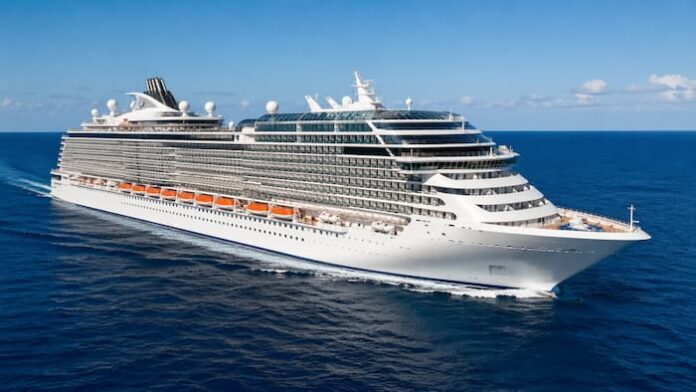
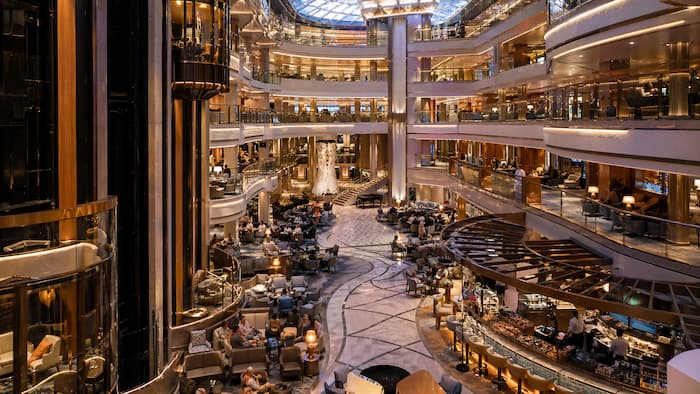
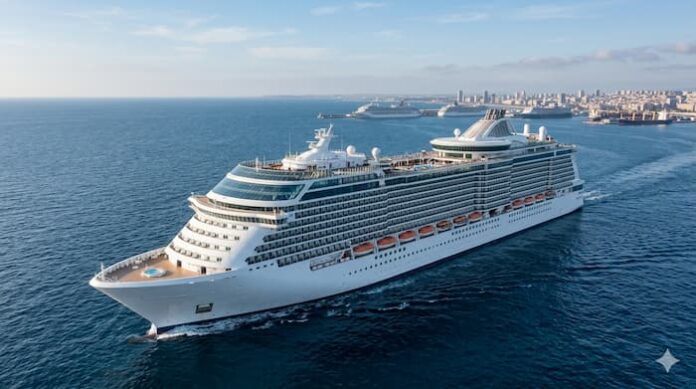
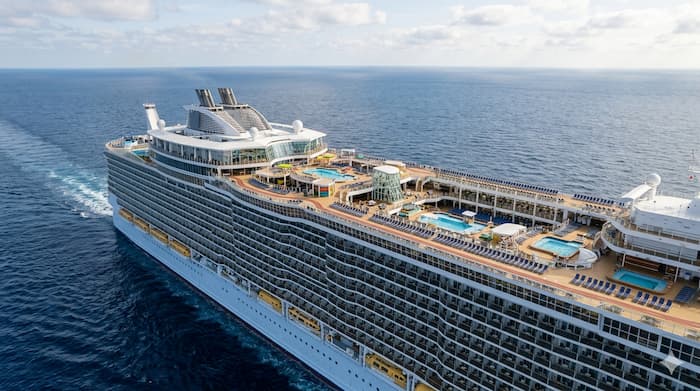
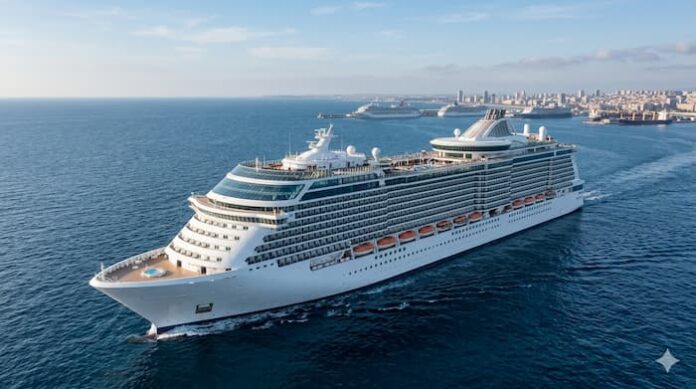
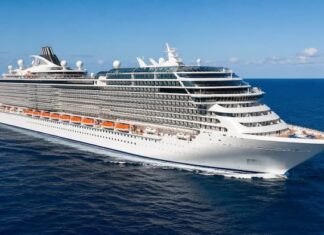
A cruise ship is not simply a room for sale. It is a floating travel experience shaped by lodging, dining, leisure, entertainment, and time itself. Reference image by The Travel News
In a market that should be selling experience, the industry has spent too long just moving rooms — and that is why cruise has never truly taken root
For years, Korea’s travel industry has failed to sell cruises properly. More precisely, it has not failed to sell them at all. It has sold them the wrong way.
A cruise is not simply a means of transportation. It is not a flight that drops travelers at a destination, nor is it just a hotel stay on the water. From embarkation to disembarkation, the entire span of time is the product. The ship’s spaces, services, atmosphere, dining, entertainment, rhythms of movement, and shore experiences are all consumed as one integrated journey. Yet for years, much of Korea’s travel industry has broken that experience into pieces and reduced it to what is essentially a room sale: a certain number of nights at a certain price.
That is where the market began to warp.
Before consumers are taught what a cruise actually is, they are handed a price sheet. Before they hear about the character of the cruise line, the atmosphere on board, or the different pace of the trip, they are pushed to ask simpler questions: How much does it cost? How many ports does it visit? Why is this itinerary more expensive than that one? Those became the dominant questions because that is how the industry chose to sell the product. Price came before explanation. Itinerary came before experience. As a result, cruises in Korea came to be seen as an expensive trip you try once, not a form of travel you return to.
This is not merely a problem of sales technique. It points to a deeper failure in the way the product itself has been understood.
Many Korean travel agencies have not treated cruises as something to shape, interpret, and build into a travel culture. Instead, they have mostly treated them as outside products created elsewhere: schedules designed by foreign cruise lines, cabins allocated to intermediaries, and air tickets or limited land arrangements added on top like a conventional package. In other words, the industry has largely functioned as a distributor, not as a builder of a market. That kind of structure can generate transactions, but it does not generate depth. It can produce bookings, but not memory. It can move product, but it does not build a loyal base of repeat customers who understand the differences among cruise lines and return for more.
And the problem does not stop there. The more comfortable agencies become with simply selling cabins, the less they feel compelled to teach customers what they are buying.
Cruise is unfamiliar to first-time travelers. People need to know which cruise lines feel lively and energetic and which feel calm and refined. They need to know what works best for families, older travelers, independent-minded travelers, or people seeking food, entertainment, rest, or scenery. They need to understand the difference between an inside cabin and a balcony cabin, the difference between a voyage centered on the ship itself and one focused more heavily on ports of call. Without that level of explanation, consumers cannot make meaningful choices. Yet in Korea, that kind of careful translation has too often been skipped. And when explanation disappears, price becomes the only language left. Once that happens, cruises start to look like an expensive and vaguely inefficient product.
At the center of this cycle is not simply difficulty, but attitude. The fact that cruises are harder to explain is not an excuse. It is the very reason they should be sold with more care.
Cruise is a complete travel environment, where space, service, movement, and atmosphere are consumed as one connected journey.Reference image by The Travel News
A cruise was never going to behave like a mass-market airline ticket. In the early stages of any market, explanation, persuasion, exposure, and education are essential. Yet much of the industry chose not to invest the time and cost required to build that understanding. It preferred products that delivered quicker reactions and easier conversions. The problem was not that cruises were too difficult. The problem was that the industry lacked patience for a market that takes time to cultivate.
Korean travel companies have long been good at gathering customers. They have been far less skilled at building culture.
In the heyday of the package-tour business, the central question was how quickly seats and rooms could be filled. That habit never really disappeared. The same mindset still lingers in the way cruises are often marketed: limited cabins, limited-time discounts, early booking offers, a shrinking block of inventory that needs to be moved before the season ends. But cruises are poorly suited to that hurried language. People buying a cruise are not simply purchasing transport or accommodation. They are buying time, atmosphere, flow, and experience. Yet the industry has often continued to sell the product as if it were little more than airline inventory with a higher price tag.
That is why consumers so often arrive at the wrong conclusion. Wouldn’t staying on a ship for that long feel confining? If the ship only stops briefly at each port, why is it so expensive? Wouldn’t the same money be better spent at a luxury hotel on land?
These are not unreasonable questions, and they do not arise because consumers are ignorant. They arise because the industry has failed to give them a better framework. The value of a cruise does not lie in the number of miles traveled or cities checked off a list. It lies in the ability to enjoy changing landscapes and services every day without constantly unpacking and repacking, without repeatedly transferring between airports, hotels, and trains, and without losing the continuity of the journey. If that essential value is never communicated, the consumer will always retreat to the price tag.
Travel agencies have missed something else as well. Cruise is not a one-time product. It is a market built on repeat customers, longer itineraries, better cabins, and more specialized choices.
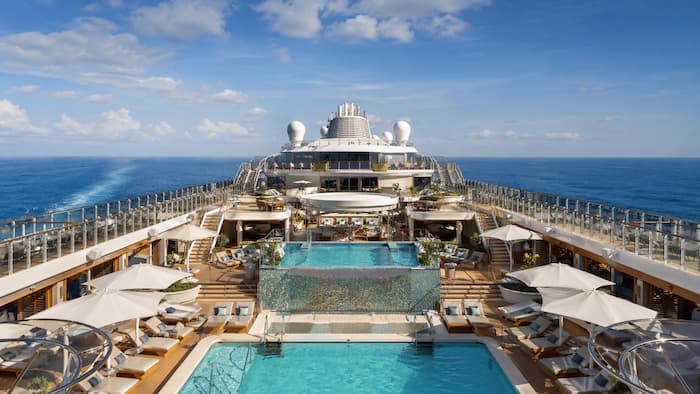
The value of cruise lies not only in where the ship goes, but in how travelers spend time on board.
A first-time traveler can begin with a shorter introductory itinerary. The second trip may involve a stronger cruise line preference, a longer route, a better room, or a more distinctive destination. That is where the true strength of cruise lies. People who cruise once can become people who cruise repeatedly. They begin to compare brands, remember the character of different ships, and choose future trips according to family size, age, interests, and comfort. That is how a market thickens. But in Korea, there has been surprisingly little evidence of a carefully built path from first-time cruiser to returning customer. Agencies have been more focused on selling whatever cabins they have at the moment than on creating a sequence that turns first purchases into lasting habits.
As a result, the Korean cruise market has struggled to create momentum that leads people back.
That cannot be blamed only on frontline sales staff. The problem lies in the broader structure of the industry.
Selling cruises well requires dedicated personnel, longer consultation times, serious product training, and ideally, salespeople who have actually experienced cruising firsthand. But the Korean travel business has long been shaped by fast turnover and short-term performance pressure. In that environment, cruises naturally fall down the priority list. A market that requires explanation, experience, and time is difficult to nurture inside organizations that are constantly being pushed to generate immediate revenue. That is why cruises have too often remained stuck in the category of “promising but troublesome products” instead of becoming a serious strategic priority.
Another issue compounds the problem. The industry has far too often confined cruises to the image of a senior-focused product.
To be clear, cruises do offer many features that appeal strongly to older travelers: ease of movement, stable dining, onboard convenience, and minimal baggage stress. But once those strengths are treated as the whole story, the market begins to shrink itself. The travelers who may be most receptive today are often people in their 30s and 40s — people with extensive overseas travel experience, familiarity with resort-style spending, and a willingness to combine food, leisure, entertainment, and rest into one coherent trip. Families traveling with children may also be natural customers. Yet Korean marketing has leaned for too long on the image of a relaxed retirement-style vacation. Once that happens, cruise starts to look dated, distant, and irrelevant — something for someone else.
When the language of the market grows old, the market itself begins to age. That is a simple truth the industry has ignored for too long.
More troubling still is the fact that some agencies continue to view cruise merely as an extension of old-fashioned group package travel. But the core of cruising lies in the balance between freedom and structure. If that is buried beneath the rigid rhythms of bus-led land tours — rushing off the ship, moving in groups, listening to hurried explanations, reboarding on a fixed schedule — much of cruise’s appeal disappears. At that point, travelers may understandably ask why they should not simply take an ordinary package tour instead. If the freedom, ease, and onboard rhythm of cruising are lost, the product loses what makes it distinct.
In the end, the reason Korean travel agencies have not sold cruises properly is clear enough. They have prioritized moving cabins over helping travelers understand the value of the experience. They have grown accustomed to clearing seasonal allotments rather than cultivating a market. They have focused more on securing one immediate booking than on designing a first experience strong enough to bring the customer back.
That is why cruise sales in Korea have so often felt less like a travel proposal and more like inventory distribution.
That needs to change.
If the industry wants to sell cruises properly, it must stop leading with price and itinerary alone. It must begin by explaining who the trip is for and why. It must explain how cruise lines differ, how cabins shape the experience, and which itineraries are manageable for first-time travelers. Only then can consumers begin to see a cruise not as an expensive, unfamiliar product, but as a form of travel they may want to return to once they understand it.
There are many reasons the Korean cruise market has grown slowly. But at least one of them is unmistakable. For too long, the industry has treated cruise not as something to develop into a lasting travel culture, but as a block of rooms that needs to be sold. And when a market that should be built around experience is reduced to moving cabins, bookings may happen, but culture does not. In Korea, cruises have remained expensive trips people try once, rather than a travel habit that takes root and grows.
Next in the series
Why Busan, Incheon, and Jeju Have Not Become True Cruise Hubs
Ships are arriving, but the market is not taking root. The next article looks at why Korea’s major cruise ports still struggle to move beyond arrival statistics and become real hubs where passengers stay longer, spend more, and begin their journeys again.
About this series
Cruise Series | Why Korea’s Cruise Market Still Has Not Fully Taken Shape
This four-part series examines why cruise remains thin, fragmented, and underdeveloped in one of the world’s most active outbound travel markets. The problem is not simply demand. It is the failure to build the right structure, language, distribution model, and port strategy needed for cruise to take root as a mainstream travel culture in Korea.
Series lineup Part 1 Why Korea’s Cruise Market Still Has Not Fully Taken Shape Part 2 Why Korean Travel Agencies Still Sell Cruises Like Cabin Inventory Part 3 Why Busan, Incheon, and Jeju Have Not Become True Cruise Hubs Part 4 How Korea’s Cruise Market Should Be Rebuilt from Here
한국 여행업계는 오랫동안 크루즈를 제대로 팔지 못했다. 정확히 말하면, 못 판 것이 아니라 잘못 팔았다.
크루즈는 본래 단순한 이동 수단이 아니다. 비행기처럼 태워서 목적지에 내려놓는 상품도 아니고, 호텔처럼 숙박만 제공하는 상품도 아니다. 승선 순간부터 하선 직전까지 이어지는 시간 전체가 상품이고, 배 안의 공간과 서비스, 동선과 분위기, 식음과 공연, 휴식과 기항 경험이 모두 하나로 묶여 소비되는 종합 여행이다. 그런데 한국 여행업계는 오랫동안 이 복합적 체험을 잘게 잘라, 결국 “몇 박 얼마”짜리 객실 판매 수준으로 다뤄왔다.
여기서부터 시장은 비틀어지기 시작했다.
소비자는 크루즈를 이해하기 전에 먼저 가격표를 받는다. 선사의 철학이나 선내 분위기, 여행의 흐름보다 먼저 “이 상품은 얼마인가”, “기항지는 몇 곳인가”, “같은 일정인데 왜 더 비싼가”를 묻도록 만들어졌다. 업계가 그렇게 팔아왔기 때문이다. 설명이 먼저가 아니라 가격이 먼저였고, 경험이 먼저가 아니라 일정표가 먼저였다. 그 결과 크루즈는 ‘한 번쯤 타보는 비싼 여행’으로 남았지, 다시 찾고 싶은 여행 방식으로 자리 잡지 못했다.
이건 단순한 판매 기법의 문제가 아니다. 상품을 바라보는 인식 자체가 처음부터 빗나가 있었다는 뜻이다.
국내 여행사 다수는 크루즈를 스스로 설계하는 상품으로 보지 않았다. 해외 선사가 만들어 놓은 일정을 들여와 객실을 배분받고, 여기에 항공과 일부 지상 일정을 덧붙여 패키지처럼 묶는 방식이 일반적이었다. 다시 말해 크루즈 자체를 하나의 독립된 여행문화로 키우기보다, 이미 존재하는 외부 상품을 국내 시장에 유통하는 데 머문 셈이다. 이런 구조에서는 판매는 가능해도 시장은 자라지 않는다. 유통은 생겨도 선사에 대한 기억은 남지 않고, 예약은 생겨도 경험의 서사는 축적되지 않는다.
문제는 여기서 끝나지 않는다. 객실을 파는 방식에 익숙해질수록 여행사는 소비자를 이해시키는 일을 점점 덜 하게 된다.
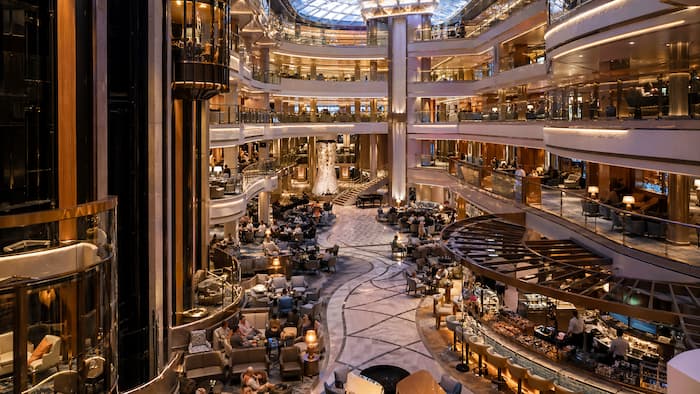
크루즈는 객실 몇 개를 파는 상품이 아니라, 선내의 공간과 서비스, 분위기와 동선을 함께 소비하는 여행이다.
크루즈는 처음 접하는 사람에게는 낯선 상품이다. 어떤 선사가 활기차고, 어떤 선사가 차분한지, 가족여행에 맞는지, 중장년층에게 편한지, 자유여행형 소비자에게 어울리는지, 식음과 오락의 성격은 어떤지, 발코니 객실과 내측 객실의 체감 차이는 어느 정도인지, 바다를 즐기는 여행인지 목적지를 찍고 다니는 여행인지, 이런 설명이 있어야 소비자는 비로소 자신에게 맞는 선택을 할 수 있다. 그러나 국내 시장에서는 이런 섬세한 번역 작업이 너무 자주 생략됐다. 설명이 비어 있으니 소비자는 가격으로만 판단하고, 가격으로만 판단하니 크루즈는 늘 “비싼데 애매한 상품”처럼 보인다.
이 악순환을 만든 것은 결국 판매 태도의 문제다. 크루즈가 어려운 상품이라는 사실은 핑계가 될 수 없다. 오히려 어렵기 때문에 더 공들여 설명하고, 더 오래 설득하고, 더 정확하게 권해야 한다. 시장 초입에서는 설명과 체험, 학습과 이해가 반드시 필요하다. 그런데 업계는 오랫동안 이 시간과 비용을 들이기보다 당장 반응이 빠른 다른 상품으로 눈을 돌려왔다. 팔기 어려운 상품이라서 포기한 것이 아니라, 시간이 걸리는 시장을 키울 인내가 부족했던 것이다.
특히 국내 여행업계는 모객에는 익숙했지만 문화를 만드는 데는 서툴렀다. 패키지여행 전성기에는 좌석과 객실을 어떻게 빨리 채우느냐가 핵심 역량이었다. 그 관성이 지금도 남아 있다. 그래서 크루즈도 여전히 “몇 석 남았다”, “몇 객실 확보했다”, “언제까지 특가다” 같은 방식으로 접근하는 경우가 많다. 하지만 크루즈는 이런 조급한 판매 언어와 잘 맞지 않는다. 크루즈를 타는 사람은 좌석을 사는 것이 아니라 시간을 사고, 공간을 사는 것이 아니라 여행의 흐름을 산다. 그런데 업계는 여전히 그것을 항공권과 비슷한 방식으로 다루고 있다.
그러니 소비자 입장에서는 오해가 생길 수밖에 없다. “배 안에 오래 있으면 답답하지 않나?” “기항지는 잠깐 보는데 왜 비싸지?” “그 돈이면 차라리 호텔 좋은 데서 쉬는 게 낫지 않나?”
이 질문들은 소비자가 몰라서 나오는 것이 아니다. 업계가 애초에 다른 말로 설명하지 않았기 때문에 나오는 당연한 반응이다. 크루즈의 가치는 이동 거리나 방문 도시 숫자에 있지 않다. 배라는 거대한 리조트 안에서 매일 다른 풍경과 서비스를 누리면서, 짐을 풀고 다시 싸는 번거로움 없이 여행의 밀도를 유지하는 데 있다. 그러나 이 본질이 제대로 전달되지 않으면 소비자는 끝내 가격표만 보게 된다.
여행사들이 놓친 것은 또 있다. 크루즈는 한 번 판매로 끝나는 상품이 아니라, 다시 찾는 손님과 더 긴 일정, 더 나은 객실로 이어지는 선택이 중요한 시장이라는 점이다.
크루즈의 핵심은 객실 하나가 아니라 배 안에서 누리는 시간 전체다. 그러나 국내 판매 현장에서는 이런 체험의 가치보다 여전히 가격과 일정이 먼저 제시되는 경우가 많다.
처음에는 짧은 일정의 입문형 상품으로 시작할 수 있다. 그다음에는 더 좋은 선사, 더 긴 일정, 더 나은 객실, 더 특화된 목적지로 확장할 수 있다. 이것이 크루즈 시장의 힘이다. 처음 탄 사람이 두 번째, 세 번째 탑승으로 옮겨가며 시장이 깊어진다. 선사별 성격을 비교하고, 배의 분위기를 기억하고, 가족 구성원에 따라 다른 선택을 하게 된다. 그런데 국내에서는 첫 구매 이후 두 번째 구매로 이어지는 흐름을 정교하게 설계한 흔적이 의외로 약하다. 처음 타는 사람을 반복 고객으로 키우는 전략보다, 그때그때 객실을 판매하는 데 치중했기 때문이다.
결국 크루즈는 국내에서 다시 찾게 만드는 흐름을 만들지 못했다.
이 책임을 단순히 현장 판매 인력에게 돌릴 수는 없다. 문제는 업계 전체의 수익 구조와 시야에 있다. 크루즈를 제대로 팔려면 전담 인력이 필요하고, 상담 시간이 필요하며, 선사 교육이 필요하고, 실제 승선 경험을 가진 판매자가 늘어나야 한다. 하지만 국내 여행시장은 오랫동안 빠른 회전과 단기 실적에 익숙해져 있었다. 그 속에서 크루즈는 늘 후순위가 되기 쉬웠다. 설명해야 하고, 경험시켜야 하고, 천천히 키워야 하는 시장은 당장 매출 압박이 큰 조직에서 쉽게 투자 대상이 되지 못한다. 그래서 크루즈는 늘 “가능성은 있어 보이지만 손이 많이 가는 상품” 정도로 남았고, 그 결과 시장은 더 크게 자라지 못했다.
여기에 또 하나의 문제가 겹친다. 국내 여행업계는 크루즈를 너무 자주 시니어 중심 상품으로만 가둬두었다.
물론 크루즈는 중장년층과 잘 맞는 요소가 많다. 이동의 편안함, 안정적 식사, 선내 편의성, 짐 이동의 최소화 같은 장점은 분명하다. 그러나 그것만 강조하면 시장은 스스로 좁아진다. 지금 크루즈에 더 민감하게 반응할 수 있는 층은 오히려 해외여행 경험이 많고, 리조트 소비와 미식, 공연, 휴식을 하나의 경험으로 묶어 받아들이는 30~40대일 수 있다. 아이를 동반한 가족 수요 역시 마찬가지다. 그런데 국내 마케팅은 너무 오래 “은퇴 후 여유 있는 여행” 쪽으로만 기울어 있었다. 그 순간 크루즈는 낡아 보이고, 멀게 느껴지며, 내 여행이 아닌 남의 여행처럼 보이기 시작한다.
파는 말이 낡으면 시장도 늙는다. 이 단순한 사실을 업계는 너무 오래 가볍게 보아 왔다.
더 심각한 것은, 일부 여행사들이 크루즈를 여전히 옛 단체관광 방식의 연장으로만 바라본다는 점이다. 크루즈의 핵심은 자유와 체험의 균형인데, 이를 다시 육상 단체관광의 리듬으로 덮어버리면 오히려 크루즈의 장점이 죽는다. 기항지마다 바쁘게 내리고, 짧게 보고, 다시 모이고, 버스에 태우고, 해설을 밀어 넣는 식으로 접근하면 소비자는 “이럴 거면 그냥 일반 패키지가 낫지 않나”라고 생각하게 된다. 크루즈가 제공하는 해방감과 자율성, 배 위에서의 여유를 살리지 못하면 차별점은 사라진다.
결국 한국 여행사가 크루즈를 제대로 팔지 못한 이유는 분명하다. 크루즈의 가치를 이해시키고 첫 경험을 설계하는 일보다 눈앞의 객실을 넘기는 일을 더 앞세워왔기 때문이다. 시장을 키우는 일보다 시즌 물량을 소진하는 데 익숙했고, 한 사람의 승객을 다시 돌아오는 손님으로 만드는 일보다 당장 예약 한 건을 더 받는 데 매달렸다. 그래서 한국의 크루즈 판매는 여행을 권하는 일이라기보다 객실을 중개하는 일에 가까워졌고, 크루즈는 한 번 다녀오고 마는 비싼 상품으로 남았을 뿐 다시 찾는 손님이 쌓이는 여행문화로는 뿌리내리지 못했다.
이제는 바뀌어야 한다. 크루즈를 팔려면 값과 일정부터 내세울 것이 아니라 어떤 사람에게 왜 맞는 여행인지부터 설명해야 한다. 선사마다 무엇이 다르고, 객실에 따라 체감이 어떻게 달라지며, 처음 타는 사람에게 어떤 일정이 부담이 적은지 차근차근 알려줘야 한다. 그래야 소비자는 크루즈를 낯설고 비싼 상품이 아니라, 한 번 이해하면 다시 찾게 되는 여행으로 받아들일 수 있다.
한국 크루즈 시장이 더디게 큰 까닭은 여러 가지가 있겠지만, 적어도 하나만큼은 분명하다. 국내 여행업계가 크루즈를 너무 오래 새로운 여행문화로 키울 대상으로 보지 않고, 그때그때 팔아야 할 객실 물량처럼 다뤄왔다는 점이다. 체험을 권해야 할 자리에서 객실만 넘기면 예약은 생길지 몰라도 문화는 남지 않는다. 그리고 한국 크루즈는 한 번 다녀오고 마는 비싼 상품으로 남았을 뿐, 다시 찾는 손님이 쌓이는 여행문화로는 끝내 뿌리내리지 못했다.
크루즈 연재 소개문
한국은 이미 세계적인 해외여행 소비국이다. 항공과 호텔, 패키지와 자유여행은 오래전 일상적인 선택이 됐다. 그런데 유독 크루즈만은 아직도 얇고 불안정한 시장에 머물러 있다. 여행레저신문은 이번 연재를 통해 그 이유를 소비자 취향이 아니라 산업 구조의 문제로 본다. 선사는 한국을 전략시장으로 충분히 키우지 않았고, 여행사는 크루즈를 체험이 아니라 객실처럼 팔아왔으며, 항만과 도시는 입항 실적에 비해 체류와 재출발의 구조를 촘촘히 설계하지 못했다. 이번 시리즈는 시장 부재의 원인, 여행사의 판매 방식, 항만의 허브 전략 한계, 그리고 한국형 크루즈 시장의 재설계 방향까지 단계적으로 짚는 산업 진단이다.
[크루즈 기획 연재]
① 한국 크루즈 시장은 왜 아직 형성되지 못했나 ② 왜 한국 여행사는 크루즈를 아직도 ‘배표 장사’처럼 파는가 ③ 부산·인천·제주는 왜 ‘크루즈 허브’가 되지 못했는가 ④ 한국 크루즈 시장, 지금부터 어떻게 다시 설계해야 하나
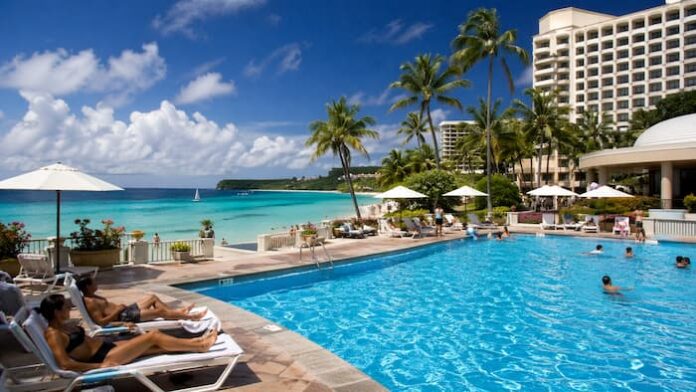
A polished tropical resort scene recalls the years when Saipan stood as a premium leisure destination in the Korean outbound market.
Part 1. The Paradise We Knew Is Dead: Strategic Arrogance and Brand Suicide
Jungchan Lee | Publisher, The Travel News 여행레저신문 April 20, 2026
Philip Kotler, the father of modern marketing, has long made one point unmistakably clear: real marketing is not the act of pushing inventory. It is the discipline of creating and delivering value the customer may not yet know how to articulate. In hospitality, that value is never just the room, the flight seat, or the beach. It is emotional payoff. It is distance from the ordinary. It is atmosphere, status, memory, and the feeling that one has entered a different world. The moment a destination can no longer deliver more psychological benefit than the price required to reach it, the market begins to discard it.
That is the real crisis of Saipan.
This is not, at its core, a story about aging buildings. It is not simply a story about weaker demand, fewer flights, or a difficult global environment. It is a story about what happens when a premium destination stops managing its value proposition and begins behaving like a warehouse of saleable rooms. Saipan did not lose only momentum. It lost hierarchy. It lost mystique. It lost the ability to explain, convincingly and proudly, why travelers should still pay a premium to go there.
For Korean travelers, especially in the mid-1990s and early 2000s, Saipan was never just another tropical island. It was one of the clearest premium leisure products in the market. For honeymooners, for families, and for first-time international vacationers, Saipan stood for reliability, aspiration, and reward. It was close enough to be convenient, yet distinct enough to feel exotic. It offered a rare combination: a short-haul flight and a genuine sense of escape. In marketing terms, that was powerful positioning. In brand terms, it built deep equity.
What made Saipan strong back then was not only the sea.
It was the total package of separation. The island created distance from daily life the moment the traveler arrived. The resort zones felt organized. The service standard, especially at flagship properties such as PIC and other major resorts, supported the illusion of order, care, and value. The destination still felt foreign. That mattered. People were not paying only for water, palm trees, and sunshine. They were paying for a premium stay experience—what the industry would call experience value—wrapped in the emotional reward of “I have gone somewhere special.”
That is how destinations become durable brands.
They do not win because they are beautiful. Beauty is only the raw material. They win because beauty is curated into a coherent product: service, atmosphere, pace, signage, retail, food, accommodation, circulation, and memory all working in the same direction. Saipan once understood this. Or at least, it once benefited from people who did.
Today, however, the destination presents a different picture. And the most painful part is that the damage was not inevitable.
From a destination-marketing standpoint, one of the most consequential failures appears to have come from the long-running strategic misjudgment of the Northern Mariana tourism authorities and their agency-side partner, AVIAREPS. The problem was not one bad campaign, one weak season, or one poor media buy. The problem was philosophical. They seem to have mistaken access for desirability, familiarity for loyalty, and tactical sales activity for brand stewardship. That is not a minor error. That is how premium destinations quietly die.
A destination authority exists to protect long-term brand value, not merely to keep short-term traffic moving. A capable representation agency is supposed to sharpen market intelligence, not flatten the product into whatever is easiest to sell this quarter. Yet Saipan appears to have spent too many years leaning into exactly the wrong instincts: trade dependence without renewal, convenience without distinction, and market comfort without strategic repositioning.
A polished tropical resort scene recalls the years when Saipan stood as a premium leisure destination in the Korean outbound market.
The result is visible on the ground.
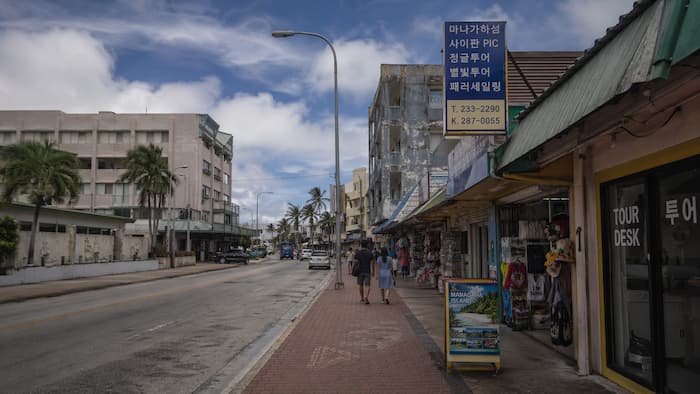
Walk through Garapan today and the central problem is impossible to miss. The destination no longer creates enough distance from the traveler’s ordinary life. What one hears too often is not the rhythm of a foreign place but the overfamiliar soundscape of a Korean outbound bubble. Korean signs, Korean-language sales desks, Korean-targeted convenience messaging, and an atmosphere of over-adaptation have diluted the island’s foreign identity. This is not a complaint about Korean travelers. Korean visitors helped build Saipan’s success. The problem is that the destination’s managers allowed service adaptation to slide into over-localization.
That distinction matters.
Localization can improve comfort. Over-localization can destroy destination appeal. A successful international destination must be legible, yes—but it must remain distinct. Travelers do not spend heavily to encounter an overseas version of their own neighborhood. They pay for difference that still feels safe. Saipan, in too many visible ways, seems to have surrendered that balance. The old sensation of arrival—of entering a place with its own mood, tone, and order—has weakened. Once that happens, the traveler begins asking the most dangerous question in tourism: Why am I paying this much to come here?
That is the question Saipan now struggles to answer.
Some defenders of the status quo will say the issue is convenience, not identity. But that is precisely the trap. The language of convenience has too often been used to justify strategic laziness. Convenience is not a brand. Ease is not a premium proposition. Any destination can become easier. Very few can remain aspirational while doing so. The destinations that endure are the ones that know how to reduce friction without erasing foreignness. Saipan, by contrast, seems to have reduced friction in ways that also stripped away mystique.
This is where the tourism authorities and AVIAREPS deserve serious scrutiny from a professional standpoint. If your long-term Korea strategy produces a destination that feels increasingly familiar, increasingly transactional, and increasingly easy to discount, then you are not protecting the brand. You are consuming it. You are spending brand equity faster than you are replenishing it. That is not promotion. That is liquidation with a smile.
The other major wound came from pricing and distribution.
Hospitality is not a mass commodity business. A hotel room is not a T-shirt. A resort destination is not detergent. When a premium leisure destination begins relying too heavily on discount-heavy channels, home-shopping-style promotions, and sale-first distribution logic, it does not merely increase visibility. It rewires consumer perception. In the short run, numbers may look acceptable. Rooms may fill. Packages may move. Trade partners may applaud. But beneath the surface, something far more damaging begins: brand dilution.
Once a destination is repeatedly framed as “cheap enough to try” rather than “valuable enough to choose,” its status begins to fall. That is the logic of brand erosion. The issue is not simply discounting. The issue is what repeated discounting teaches the market. It teaches the customer not to desire the destination, but to wait for a lower price. It teaches intermediaries that price movement matters more than positioning. It weakens rate integrity. It destabilizes the perceived hierarchy of the entire product.
That is how premium customers quietly leave.
The most profitable customers are often not the loudest. They do not post manifestos when a destination loses its character. They simply stop coming. They move to alternatives that feel cleaner, sharper, better managed, or more aspirational. When that happens, the destination is left with weaker pricing power, more dependence on volume, and less room for reinvestment. Then the physical product ages faster, service slips further, and managers become even more addicted to tactical discounts. This is not a temporary sales issue. It is a structural downward spiral.
Saipan has shown too many signs of this cycle.
The island’s decline, therefore, should not be misunderstood as a natural aging of a mature product. It is more specific than that. Saipan appears to have passed through the maturity stage of the product life cycle without doing the hard work of repositioning. It needed brand renovation. It needed sharper segmentation. It needed a deliberate decision about what kind of customer it still wanted to win, and what kind of customer it should stop chasing at any cost. Instead, too much of the logic seems to have remained trapped in legacy trade dependence and short-term room-filling behavior.
That is where “strategic arrogance” enters the story.
Destinations do not usually collapse because they lack data. They collapse because decision-makers believe they already understand the market well enough to ignore warning signs. They collapse because long familiarity breeds intellectual laziness. They collapse because criticism from the field is treated as noise instead of intelligence. In that sense, Saipan’s problem is not only operational. It is managerial. It is strategic. The market changed, customer expectations changed, competing destinations changed, and yet too much of Saipan’s external-facing strategy appears to have remained stuck in old assumptions.
That is why the island now feels less like a premium short-haul escape and more like a compromised product still living off memory.
The tragedy is that Saipan still has assets. The sea did not disappear. The climate did not disappear. The geographic advantage relative to the Korean market did not disappear. Even the brand name has not fully vanished from the emotional memory of middle-aged Korean travelers. But assets by themselves do not rescue a destination. Assets must be reassembled into a new offer. That requires discipline. It requires admitting what has failed. And it requires tourism authorities and agencies alike to stop congratulating themselves for activity that never rebuilt the destination’s core value proposition.
Saipan does not need more cheerful slogans masking strategic decay. It does not need more short-term campaigns that confuse visibility with recovery. It needs a cold diagnosis.
Its central problem is not that the island became less beautiful. Its central problem is that the destination’s managers allowed the product to become less meaningful, less distinct, and less premium in the eyes of the market. That is the difference between a destination facing headwinds and a destination committing brand suicide.
A recovery is still possible. But only if the first step is honesty.
The island must confront the damage done by over-localization, price-led channel strategy, weak brand protection, and a stale market approach that kept leaning on old trade habits long after the market had evolved. Until that admission happens, every discussion of revival will remain cosmetic. A destination cannot reinvent itself while pretending its deepest wounds are only cyclical.
Part 2: Geopolitical Militarization and the Economics of Collapse The next installment examines the forces outside the island itself: the destruction of Saipan’s industrial base, the militarization of Tinian, shifting regional security dynamics, and the structural economic pressures that deepened the tourism crisis.
[Series Introduction] Saipan Tourism at the Edge: Conditions for Revival This special series examines why Saipan, once one of the strongest premium leisure brands in the Korean outbound market, lost momentum, diluted its identity, and weakened its long-term competitiveness. This is not a nostalgic travel essay or a simple industry complaint. It is a strategic diagnosis of destination decline through the lenses of positioning, brand equity, distribution, governance, and recovery.
The series traces how Saipan moved from premium desirability to strategic drift, and what must change if the destination is to regain credibility in the market. It asks not only what went wrong, but also what should never have been allowed to happen in the first place.
Series Lineup Part 1. The Paradise We Knew Is Dead: Strategic Arrogance and Brand Suicide Part 2. Geopolitical Militarization and the Economics of Collapse Special Edition 1. Peak & Valley: The Marketing Law of Managing Decline Special Edition 2. The Hidden Side of Partnership: Trust, Intelligence, and Strategic Dependence Part 3. Closed Governance and the Distortion of Market Intelligence Part 4. Distribution Capital and the Collapse of High-End Brand Value Part 5. Conditions for Revival: Digital Territory and the Return of Professional Stewardship
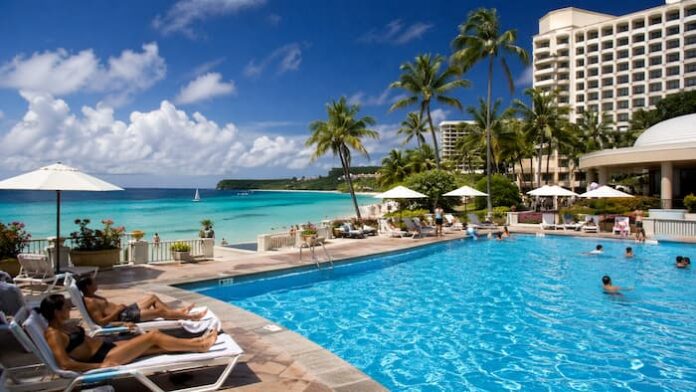
맑은 바다와 잘 관리된 리조트, 정돈된 풀사이드 풍경은 1990년대 사이판이 한국 시장에서 프리미엄 휴양지로 각인됐던 전성기의 이미지를 떠올리게 한다.
제1부: 사이판 관광, 우리가 알던 ‘낙원’은 죽었다 — 오만이 부른 브랜드 자살
이장친 빌헹인 ㅣ 여행레저신문
■ 프롤로그: 마케팅의 대부가 묻는다, “가치를 창조하는가, 방을 파는가?”
현대 마케팅의 창시자 필립 코틀러(Philip Kotler)는 그의 저서에서 “진정한 마케팅은 단순히 상품을 파는 행위가 아니라, 고객이 미처 몰랐던 가치를 창조하고 전달하는 과정”이라고 정의했다. 특히 무형의 서비스를 상품화하는 호스피탈리티(Hospitality) 산업에서 이 ‘가치’는 브랜드의 생명줄과 같다. 고객이 지불하는 비용보다 더 큰 ‘심리적 이익’을 제공하지 못하는 순간, 그 브랜드는 시장에서 용도 폐기된다.
오늘날의 사이판 관광은 코틀러가 경고했던 바로 그 ‘가치가 실종된 상품’의 전형에 가깝다. 한때 태평양의 보석이라 불리며 한국인의 허니문과 가족 휴양 시장을 사실상 장악했던 사이판이, 2026년 현재 왜 ‘굳이 비싼 돈을 들여 다시 가야 할 이유를 설명하기 어려운 섬’이 됐는지, 그 잔혹한 30년의 기록을 냉정하게 해부할 필요가 있다. 사이판 관광은 상품 수명주기(Product Life Cycle)상 성숙기를 지난 뒤에도 리포지셔닝(Repositioning)과 브랜드 리노베이션(Brand Renovation)을 미뤘고, 그 결과 프리미엄 휴양지의 위계를 스스로 허물었다.
■ 1990년대의 영광: ‘분리(Separation)’가 주는 이국적 황홀경
1990년대의 사이판은 분명한 상품이었다. 단순히 바다가 예쁜 섬이 아니었다. 한국 관광객이 돈과 시간을 들여 떠날 만한 이유가 또렷한 목적지였고, 한국 시장 안에서의 포지셔닝(Positioning)도 분명했다. 당시 PIC(Pacific Islands Club)를 비롯한 주요 리조트들은 글로벌 표준에 부합하는 철저한 호스피탈리티를 선보였고, 비행기에서 내리는 순간 여행객들은 일상과의 완벽한 단절을 경험했다.
호텔 업계의 살아있는 전설 빌 메리어트(Bill Marriott)는 “고객을 돌보는 것은 시스템이 아니라 사람이며, 그 사람의 품격이 곧 브랜드의 힘”이라고 강조했다. 그 시절 사이판에는 이 격언이 살아 숨 쉬었다. 정제된 서비스, 이국적인 풍광, 그리고 무엇보다 ‘내가 특별한 곳에 와 있다’는 심리적 우월감은 사이판을 대체 불가능한 프리미엄 브랜드로 만들었다. 고객은 객실만 산 것이 아니라, 일상에서 분리된 체류 경험과 체면, 기억을 함께 샀다. 그것이 당시 사이판의 브랜드 에퀴티(Brand Equity)였다.
마케터들은 고객의 환상을 현실로 바꾸기 위해 잠시도 쉬지 않고 머리를 썼으며, 정점(Peak)의 순간에도 다가올 경쟁자들을 경계하며 브랜드의 순도를 유지했다. 잘 팔린다고 안심하지 않았고, 잘될수록 더 예민하게 시장을 읽었다. 그것이 우리가 기억하는 사이판의 황금기였다.
한국어 간판과 낡은 상권이 뒤섞인 가라판 거리의 풍경은, 한때 프리미엄 휴양지였던 사이판 관광이 잃어버린 이국성과 현재의 위기를 상징적으로 보여준다.
■ 2026년의 위기: “사이판에 왔는데 왜 여수 냄새가 나는가?”
그러나 30여 년이 지난 2026년 4월, 사이판 관광의 현실은 참담함을 넘어 기괴하기까지 하다. 가장 큰 비극은 관광지의 생명인 ‘이국적 정체성’의 상실이다.
관광 마케팅의 핵심 중 하나는 ‘일상으로부터의 분리(Separation)’다. 고객은 익숙한 것에서 벗어나기 위해 비싼 항공료와 시간을 지불한다. 하지만 지금의 사이판은 어떤가. 가라판 거리를 걷다 보면 들리는 것은 익숙한 한국어뿐이며, 식당과 수영장에서는 옆집 아저씨나 고향 선배, 심지어 군대 동기를 마주치는 일이 예삿일이 됐다. 해외여행의 설렘은 사라지고, 마치 주말에 여수 앞바다나 국내의 흔한 유원지에 와 있는 듯한 착각마저 든다.
이는 관광청과 대행사들이 범한 **‘현지화의 역설’**이자, 더 정확히 말하면 과잉 현지화(over-localization)의 결과다. 한국 관광객의 편의를 위한다는 명분 아래 섬 전체의 색깔을 무차별적으로 한국화시킨 끝에, 사이판은 더 이상 비싼 비용을 들여 찾아야 할 ‘해외’로서의 신비로움을 잃어버렸다. “편리함이 극대화되면 신비로움은 사라진다”는 마케팅의 기본 원칙을 망각한 결과다. 편의는 높였지만, 목적지 매력도(destination appeal)를 구성하는 낯섦과 긴장감, 그리고 ‘내가 다른 세계에 와 있다’는 감각을 스스로 약화시켰다.
신비로움이 거세된 자리에 남은 것은 노후화된 시설과 조잡한 기념품 가게들, 그리고 목적을 잃은 관광객들의 공허한 발걸음뿐이다. 자연은 아직 남아 있다. 바다도 그대로다. 문제는 풍경이 아니라 상품의 설계다. 관광지는 풍경만으로 버티지 못한다. 풍경을 어떤 경험 가치(Experience Value)로 묶어내고, 어떤 고객층에게 어떤 언어로 다시 팔 것인가가 핵심이다. 지금의 사이판은 바로 그 상품 설계(Product Design)와 경험 가치가 무너진 상태다.
■ 자본의 무지와 홈쇼핑이라는 독약: 브랜드의 자발적 살해
여기에 기름을 부은 것이 한국 유통 자본의 진입과 게으른 마케터들이 선택한 ‘홈쇼핑 덤핑’이다. 호텔업은 의류나 생필품을 파는 유통업과는 본질부터 다르다. 호스피탈리티는 브랜드의 격조와 무형의 가치를 파는 ‘경험 경제’의 최전선이기 때문이다.
유통 마인드로 무장한 거대 자본이 사이판의 호텔들을 인수하며 ‘방 파는 공장’으로 취급하기 시작한 순간, 재투자는 멈췄고 서비스의 표준은 곤두박질쳤다. 그들은 마케팅의 본질을 ‘판매 수량’으로만 해석했다. 특히 “오늘만 이 가격”을 외치는 홈쇼핑에 브랜드의 운명을 맡긴 것은 결정적 패착이었다.
브랜드 포지셔닝의 관점에서 볼 때, 홈쇼핑 노출은 하이엔드 이미지에 대한 자발적 사형 선고와 같다. 한 번 저가 이미지로 각인된 브랜드는 결코 이전의 프리미엄을 회복할 수 없다. “싸니까 간다”는 고객층이 유입되는 순간, “가치 때문에 간다”는 우량 고객들은 조용히 리스트에서 사이판을 지웠다. 단기 수익에 눈이 멀어 10년 뒤의 미래를 팔아치운, 이른바 **‘브랜드 약탈 마케팅’**의 전형이다.
더 심각한 것은 이 구조가 단순한 판매 방식의 문제가 아니라는 점이다. 잘못된 채널 전략(Channel Strategy)은 가격 질서(rate integrity)를 무너뜨리고, 브랜드 희석(brand dilution)을 불러오며, 결국 우량 고객 이탈과 재투자 축소로 이어지는 악순환의 출발점이 된다. 처음에는 판매 숫자가 유지되는 것처럼 보일 수 있다. 객실도 어느 정도 찰 수 있다. 그래서 현장은 성공하고 있다고 착각한다. 그러나 그 숫자가 어떤 고객을 데려오고, 동시에 어떤 고객을 잃게 만드는지는 뒤늦게 드러난다. 저가 판매에 길들여진 순간, 브랜드는 더 이상 ‘값이 있어 가는 곳’이 아니라 ‘가격이 맞아 가는 곳’으로 밀려난다.
■ 결론: 오만과 무지가 만든 인재(人災), 골든타임은 있는가?
현장에서 진단한 사이판의 몰락은 천재지변이 아니다. 그것은 게으름, 나태함, 그리고 시장을 다 안다고 착각한 오만이 빚어낸 명백한 인재다.
전략적 나태함: 95%에 달하는 여행사 의존증에 안주하며 새로운 소비자 세그먼트(segmentation) 발굴과 리포지셔닝, 브랜드 리노베이션을 포기했다.
지적 무지: 브랜드 가치 파괴의 주범인 홈쇼핑과 저가 패키지 마케팅을 ‘성공’이라 자평하며 마약 같은 단기 숫자에 취해 있었다. 가격 질서(rate integrity) 붕괴와 브랜드 희석(brand dilution)이 가져올 장기 손실을 알면서도 외면했다.
독선적 오만: 시장의 날카로운 쓴소리를 귀담아듣기보다, 30여 년 동안 자신들만의 폐쇄적 카르텔을 구축해 정보를 왜곡하고 우군을 적으로 돌렸다. 전략적 경고를 조언이 아니라 방해로 취급했다.
미국 하버드 경영대학원의 마이클 포터(Michael Porter) 교수는 “전략의 본질은 무엇을 하지 않을지 결정하는 것”이라고 했다. 사이판의 마케터들은 하지 말아야 할 것, 곧 브랜드 가치 하락을 부르는 홈쇼핑 덤핑과 과잉 현지화, 단기 수익 중심의 채널 전략에만 골몰했다.
결국 사이판의 인프라가 낡은 것이 아니다. 시장의 흐름을 읽지 못한 채 어제의 단물만 빨아먹던 마케터들의 전략적 뇌(腦)가 낡은 것이다. 이제 사이판은 사선(死線)에 서 있다. “내일 아침이면 다 정리되겠지”라는 안일한 기대를 버리고, 오만했던 18년의 세월을 뼈아프게 반성하지 않는 한, 낙원의 부활은 영원히 불가능할 것이다.
다음 회차 예고 제2부에서는 사이판 관광의 위기를 더 크게 둘러싼 바깥 조건, 곧 지정학과 산업 구조 변화가 이 섬의 체질을 어떻게 흔들었는지 짚는다.
시리즈 안내박스
[미디어원 대기획] 사이판 관광의 사선(死線)과 부활의 조건 이 연재는 한때 한국 시장에서 가장 강력한 휴양 브랜드였던 사이판 관광이 왜 위기에 빠졌는지, 그리고 무엇을 버리고 무엇을 다시 세워야 하는지를 산업·브랜드·시장 구조의 관점에서 짚는 기획이다. 단순한 추억 회고나 감상 비평이 아니라, 관광 목적지의 상품 수명주기, 포지셔닝, 채널 전략, 브랜드 가치 훼손과 회복 조건을 차례로 해부한다.
연재 순서 제1부. 사이판 관광, 우리가 알던 ‘낙원’은 죽었다 — 오만이 부른 브랜드 자살 제2부. 지정학적 요새화와 경제적 파산의 함수관계 특별판 1. 피크 앤 밸리(Peak & Valley)의 마케팅 법칙 특별판 2. 파트너십의 이면 — 신뢰와 지능의 경계 제3부. 폐쇄적 거버넌스가 가져온 정보의 왜곡 제4부. 유통 자본의 진입과 하이엔드 가치의 충돌 제5부. 부활의 조건 — 디지털 영토와 전문가 집단주의
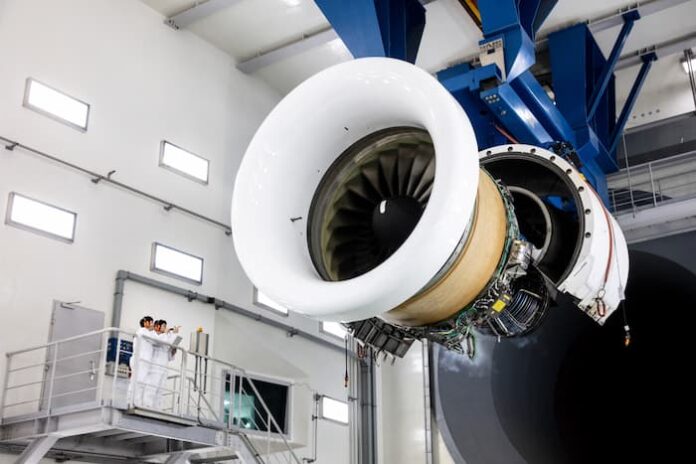
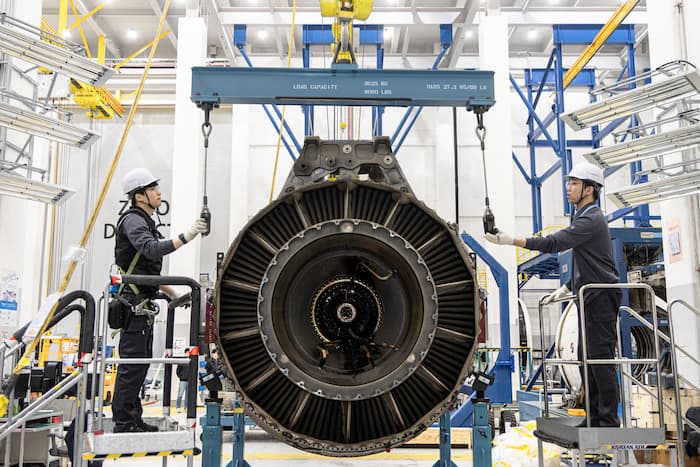
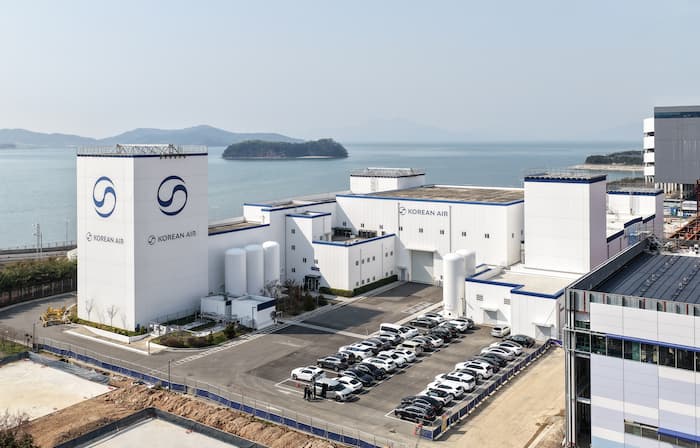
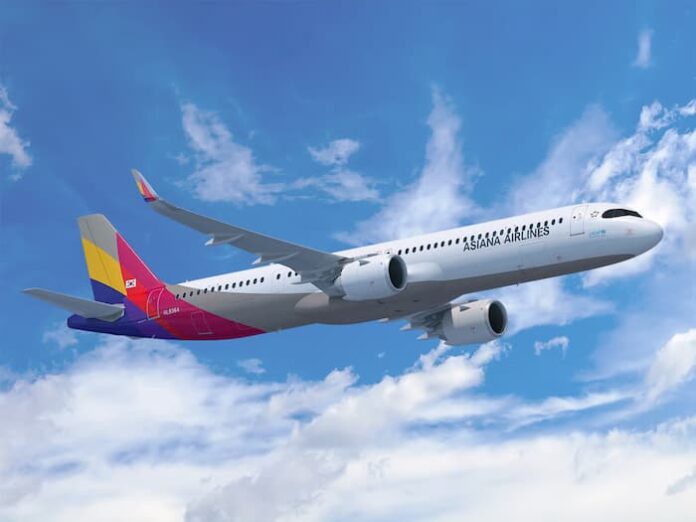
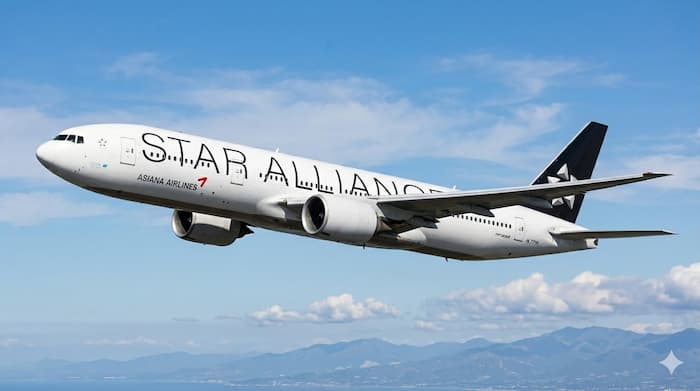
대한항공이 엔진 정비와 조종사 훈련 인프라 확장에 속도를 내고 있다. 인천 영종도 운북지구에서는 제2 엔진 테스트 셀이 최근 가동에 들어갔고, 인근에는 5780억 원을 투입한 신규 엔진 정비 공장이 건설 중이다. 운항 부문에서는 대한항공과 아시아나항공 조종사가 함께 받는 기본훈련도 이달 시작됐다. 대한항공이 노선이나 외형보다 정비와 훈련의 안쪽 기반을 먼저 넓히는 흐름이 뚜렷하다.
제2 엔진 테스트 셀은 대한항공의 엔진 정비 체계 확장과 맞물려 있다. 기존 시설이 초대형 엔진 시험에 무게가 있었다면, 새 시설은 A321neo 등에 쓰이는 차세대 엔진 시험까지 받는 방향으로 범위를 넓혔다. 옆에서는 연면적 14만211㎡ 규모의 새 엔진 정비 공장이 올라가고 있다. 대한항공은 이 공장이 2027년 가동되면 엔진 분해, 조립, 최종 시험까지 한곳에서 처리하는 체계를 갖추게 된다고 밝혔다. 자체 정비 가능한 엔진 물량도 올해 134대에서 2030년 500대로 늘리고, 정비 가능 엔진 기종도 6종에서 12종으로 확대한다는 계획이다.
이 수치는 단순한 설비 확장 이상의 의미를 갖는다. 국제항공운송협회(IATA)는 최근 항공 공급망 점검 자료에서 부품 부족과 정비 지연으로 전 세계적으로 정비 슬롯이 줄고 MRO 비용이 높아지고 있다고 짚었다. 항공기 대수가 늘어도 정비 능력이 따라오지 못하면 운항 효율과 수익성 모두 흔들릴 수 있다는 뜻이다. 대한항공이 정비 물량을 안으로 더 끌어들이려는 배경도 이런 흐름과 맞닿아 있다.
엔진 정비 현장은 대형 항공사 운영의 가장 안쪽을 떠받치는 핵심 기반이다.
국내 항공업계에서도 엔진 정비의 해외 의존도는 오래된 과제였다. 정비를 해외에 맡기면 시간과 비용이 모두 늘어난다. 기단이 커질수록 그 부담은 더 커진다. 대한항공의 이번 투자는 정비 능력을 국내에서 키우고 처리 시간을 줄이려는 쪽에 가깝다. 항공기 숫자가 많아질수록 먼저 필요한 것은 더 많은 홍보가 아니라, 더 많은 정비 처리 능력이다.
해외 대형 항공사들도 비슷한 길을 걸었다. 루프트한자그룹은 루프트한자 테크닉을 통해 항공 정비를 별도 경쟁력으로 키워 왔고, 2025년 연차보고서에서도 이를 그룹의 핵심 사업 축으로 제시했다. 루프트한자 테크닉은 전 세계 800곳이 넘는 고객을 상대로 MRO 서비스를 제공하고 있다. 올해 2월에는 캐나다 캘거리에서 차세대 LEAP-1B 엔진을 다루는 새 엔진 수리 거점과 테스트 셀 설립 계획도 발표했다. 대형 항공사일수록 정비 역량을 비용 절감 차원을 넘어 사업 경쟁력으로 키운다는 점을 보여주는 사례다.
조종사 훈련 부문도 같은 흐름이다. 대한항공 운항훈련센터는 현재 풀 플라이트 시뮬레이터 12대를 운영하고 있고, 지난해 5000명가량이 이 시설을 거쳤다. 이달부터는 대한항공과 아시아나 조종사가 함께 받는 기본훈련이 시작됐다. 기재 차이와 비상 절차, 보안 훈련 등을 함께 익히는 과정이다. 부천에는 1조2000억 원을 들인 미래항공교통(UAM)·항공안전 연구개발 센터도 추진 중이다. 대한항공은 이곳에 시뮬레이터를 최대 30대까지 들여 연간 2만 명 이상 교육이 가능한 체계를 세운다는 계획이다.
훈련의 중요성은 항공 안전 규범에서도 분명하다. IATA의 감사 프로그램 기준은 운항·정비 인력에 대해 전환훈련, 보수훈련, 승급훈련을 별도로 관리해야 한다고 규정하고 있다. 새 임무나 새 기종, 더 높은 책임이 주어질 때는 별도의 업그레이드 훈련이 필요하다는 취지다. 항공사 규모가 커지고 기종이 다양해질수록 훈련 체계의 표준화가 먼저 따라와야 한다는 뜻이다.
해외 항공사들도 훈련을 비용이 아니라 운영의 중심에 두고 있다. 델타항공은 ESG 보고서에서 객실 승무원만 해도 초기 교육 7주와 정기 재훈련을 운영한다고 밝혔다. 부문별 안전 과제에 맞춘 별도 훈련 체계를 유지한다는 설명도 내놨다. 항공업계에서 정비와 훈련이 늘 함께 거론되는 이유도 여기에 있다. 정비가 기체의 상태를 관리한다면, 훈련은 그 기체를 다루는 사람의 판단과 대응을 관리하는 영역이기 때문이다.
대한항공의 엔진 정비·시험 시설 확장은 항공 안전 기반 강화와 맞물려 있다.
전문가들도 항공사의 경쟁력을 겉으로 보이는 노선이나 기단만으로 판단해선 안 된다고 본다. 국토교통부 항공안전정책위원을 지낸 한 항공정책 전문가는 “항공사 규모가 커질수록 가장 먼저 부담이 커지는 분야는 정비와 훈련”이라며 “기재가 늘고 운항 인력이 많아질수록 같은 기준으로 정비하고 같은 기준으로 훈련하는 체계를 갖추지 못하면 운영 비용과 안전 부담이 동시에 커진다”고 말했다. 또 다른 항공정비 업계 관계자는 “엔진 정비를 얼마나 안에서 소화할 수 있느냐는 항공사의 일정 관리 능력과 직결된다”며 “대형 항공사일수록 MRO는 지원 부문이 아니라 핵심 운영 역량으로 봐야 한다”고 말했다.
대한항공의 최근 투자는 결국 한 방향을 가리킨다. 항공사 규모가 커질수록 먼저 갖춰야 할 것은 노선 확대를 떠받칠 정비·훈련 체계라는 점이다. 시장에서는 대한항공과 아시아나 결합을 두고 노선, 슬롯, 마일리지를 먼저 본다. 그러나 현장에서 더 오래 가는 경쟁력은 정비가 제때 돌아가고, 훈련 기준이 흔들리지 않는 데서 나온다. 대한항공이 최근 꺼내 든 엔진 정비 공장, 테스트 셀, 훈련센터 확장은 그 가장 안쪽을 보강하는 움직임으로 읽힌다.
1분기 방한 외래관광객 475만9471명 역대 최대, 지방공항 입국도 85만3905명으로 49.7% 증가
그러나 공항 증가와 지방관광 경쟁력은 다른 문제… 인프라·서비스·언어·품질의 공백은 여전
2026년 1분기 한국을 찾은 외래관광객은 475만9471명이었다. 1분기 기준 역대 최대다. 정부는 이를 두고 방한시장 회복세와 지역관광 활성화의 성과라고 평가했다. 실제로 지방공항 입국자는 85만3905명으로 전년 동기 대비 49.7% 증가했고, 외국인의 지역 방문 비율도 34.5%로 높아졌다. 숫자만 놓고 보면 관광객은 서울을 넘어 지방으로 퍼지고 있는 듯하다.
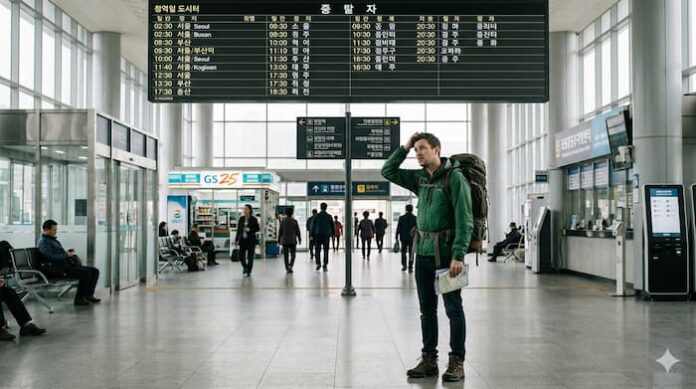
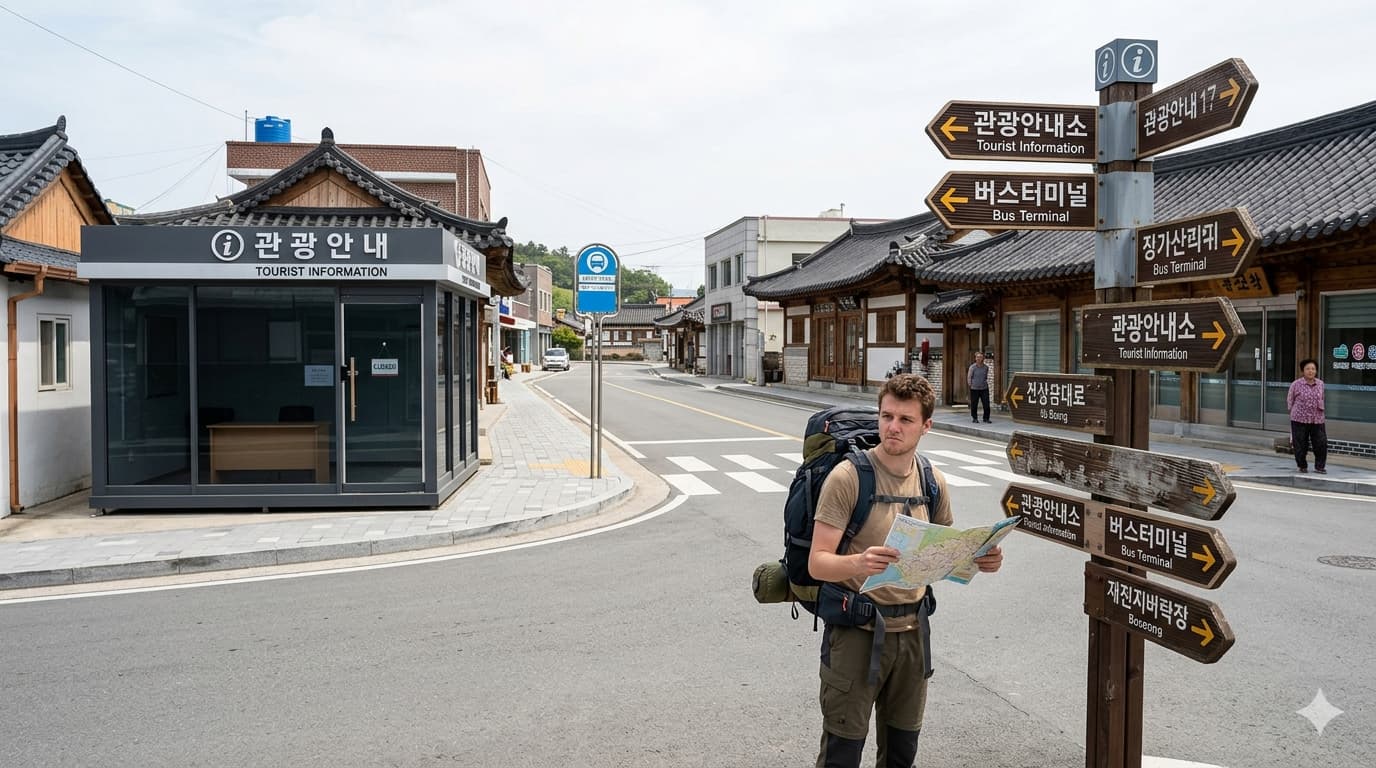
하지만 현장에서 느끼는 체감은 전혀 다르다. 문제는 불친절이 아니다. 더 본질적인 문제는 인프라 부재, 서비스 부재, 언어장벽, 품질 부재다. 길을 찾기 어렵고, 교통 연결은 어설프고, 외국어 안내는 부족하며, 숙박·식음·관광안내의 수준은 지역마다 들쭉날쭉하다. 한국인도 지방에 가면 불편한데, 외국인에게는 그 불편이 훨씬 더 크게 작동한다. 지금 한국 관광의 구조적 문제를 ‘불친절’이라는 단어 하나로 축소해선 안 되는 이유가 여기에 있다.
무엇보다 이번 수치를 곧바로 “지방관광 경쟁력 향상”으로 읽는 것은 무리다. 문체부 발표는 지방공항 총입국자 수는 공개했지만, 김해·제주·대구·청주 등 공항별 외래객 분포를 세부적으로 제시하지는 않았다. 따라서 지방공항 증가가 지방 전체의 균형 있는 성장인지, 아니면 일부 거점 공항 집중 현상인지는 더 따져봐야 한다.
정황상 후자일 가능성이 크다. 별도 지역 자료를 보면 제주도의 2026년 1분기 외국인관광객은 49만561명이었고, 김해공항 국제선 이용객도 크게 늘어난 것으로 나타난다. 제주와 김해처럼 이미 국제 접근성이 높고 수용력이 있는 일부 거점이 증가분을 흡수했을 가능성이 높다는 뜻이다. 다시 말해 “지방공항 입국 증가”가 곧바로 “전국 지방 관광지의 경쟁력 개선”을 의미하지는 않는다. 몇몇 관문이 사람을 받아낸 것과, 지방 관광 현장이 실제로 편해진 것은 완전히 다른 문제다.
지방 관광의 문제는 태도가 아니라 연결되지 않은 서비스와 부족한 기반에 있다.
이번 증가세를 밀어 올린 힘도 냉정하게 볼 필요가 있다. 첫째는 중국 단체관광이다. 중국은 2026년 1분기 방한 외래관광객 145만 명으로 최대 시장이었다. 단체관광은 가이드와 버스, 정해진 동선으로 움직이기 때문에 지역의 언어·교통·예약 불편을 개별 관광객만큼 직접 겪지 않는다. 둘째는 가격이다. 정부와 지자체는 숙박 할인, 교통 할인, 반값 여행 같은 강한 인센티브를 쏟아냈다. 셋째는 K-콘텐츠다. 드라마 촬영지, 공연, 한류 명소는 불편을 감수하게 만드는 힘이 있다. 결국 지금의 호조는 인프라의 질적 도약보다 단체관광, 할인정책, 콘텐츠 흡인력이 복합적으로 만든 상승세일 가능성이 크다.
그래서 지금 필요한 질문은 단순하다. 관광객이 많이 왔느냐가 아니라, 다시 오고 싶은 구조가 만들어졌느냐다. 지방에 도착한 외국인이 기차와 버스, 택시를 쉽게 연결할 수 있는가. 영어·중국어·일본어 안내는 실제로 작동하는가. 예약과 결제는 편한가. 안내소, 숙소, 식당, 관광지의 서비스 품질은 일정한가. 이 질문에 아직 자신 있게 답하기 어렵다면, 지금의 성과는 구조적 성장이라기보다 일시적 호황에 가깝다.
관광은 입국장에서 끝나는 산업이 아니다. 공항 통계는 문을 통과한 숫자일 뿐이다. 진짜 경쟁력은 그다음부터 시작된다. 지방공항 입국이 늘었다면, 이제는 지방 안에서 얼마나 덜 헤매고, 덜 답답하고, 덜 불안하게 움직일 수 있는지를 따져야 한다. 한국 관광의 문제는 태도가 아니라 준비의 부족이다. 사람을 많이 데려오는 것보다 더 중요한 것은, 낯선 사람을 덜 불편하게 만드는 일이다.
지금 한국 관광의 현실을 한 문장으로 요약하면 이렇다.
관광객은 늘었지만, 관광 인프라는 여전히 절대부족이다.
정부가 진짜 봐야 할 것은 입국자 수의 축배가 아니다. 지역별 재방문율, 공항별 분포의 편중, 다국어 안내 실효성, 대중교통 연계성, 숙박·식음·관광서비스의 품질 격차 같은 구조적 지표다. 그 점검 없이 숫자만 앞세우면 정책은 성과를 말할 수는 있어도 경쟁력을 증명할 수는 없다. 지방 관광의 진짜 과제는 더 많은 홍보가 아니다. 비어 있는 기반을 채우는 일이다.
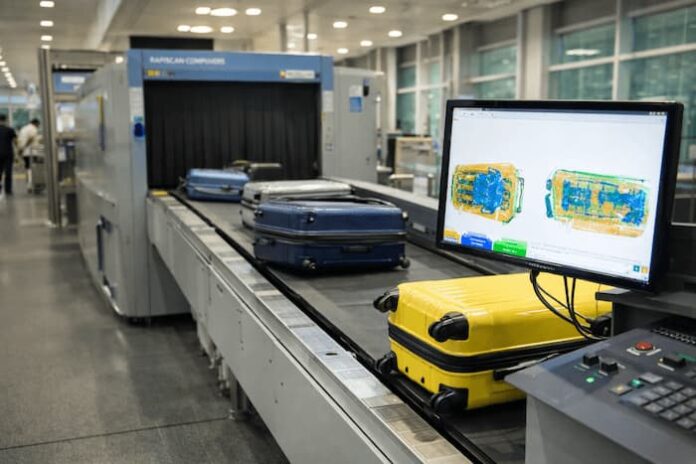
위탁수하물 원격검색(IRBS)은 출발 공항에서 수하물 보안검색 정보를 미국 측에 미리 전달해 도착 후 재검색 부담을 줄이는 방식이다.
이만재 기자 ㅣ 여행레저신문
미국에 도착한 뒤 다시 수하물을 찾고, 또 검색대 앞에 서야 하는 불편은 장거리 여행객에게 가장 피곤한 절차 중 하나다. 인천국제공항이 이 과정을 줄이기 위한 ‘위탁수하물 원격 검색’ 적용 노선을 늘리면서 미국행 여객의 이동 동선도 조금씩 달라질 전망이다.
인천국제공항공사는 지난 15일부터 미국행 일부 노선에 적용해 온 ‘위탁수하물 원격 검색(International Remote Baggage Screening, IRBS)’ 서비스를 애틀랜타에 이어 미니애폴리스, 디트로이트 노선까지 확대했다고 밝혔다. 국토교통부와 미국 국토안보부가 함께 추진한 조치다.
이 제도의 핵심은 단순하다. 인천공항에서 부친 수하물의 엑스선 이미지를 미국 보안당국에 미리 보내고, 미국 측이 이를 원격으로 확인하는 방식이다. 이렇게 되면 승객은 미국 도착 후 수하물을 다시 꺼내 별도 보안검색을 받는 절차를 상당 부분 줄일 수 있다. 결국 승객 입장에서는 입국과 환승이 더 빨라지고, 공항 동선도 한결 단순해진다.
이 변화가 의미 있는 이유는 미국 노선 특유의 복잡한 보안 절차 때문이다. 특히 환승객에게는 수하물 처리와 보안검색이 한 번만 늦어져도 다음 연결편에 대한 부담이 커진다. 공항이 아무리 크고 시설이 좋아도, 이동 과정이 끊기면 이용객이 느끼는 편의는 급격히 떨어진다. 이번 IRBS 확대는 그런 불편을 줄이는 실질적 조치라는 점에서 의미가 있다.
인천공항은 지난해 8월 인천-애틀랜타 노선에 이 시스템을 처음 도입한 뒤 운영 안정성을 높여왔다. 보안검색 체계와 수하물 처리 시스템을 연계하고, 공항공사와 미국 보안당국, 항공사 간 협업 구조를 다듬어온 결과, 이제 적용 범위를 넓힐 수 있는 단계에 이르렀다는 설명이다. 이번 확대는 단순히 노선 하나를 더 늘린 것이 아니라, 한미 양국이 공항 보안 시스템을 상호 신뢰할 수 있는 수준까지 끌어올렸다는 뜻도 담고 있다.
인천공항 입장에서도 이번 조치는 단순한 서비스 개선을 넘어 허브 경쟁력과 직결된다. 국제 허브공항의 경쟁력은 단순히 활주로 숫자나 터미널 규모로만 결정되지 않는다. 승객이 얼마나 매끄럽게 이동하느냐, 환승 과정이 얼마나 끊김 없이 이어지느냐가 실제 선택에 더 큰 영향을 준다. 미국행 수요가 많은 인천공항으로서는 이런 세부 서비스의 차이가 결국 경쟁력의 차이로 이어질 수밖에 없다.
공사는 앞으로도 적용 노선을 더 넓힐 계획이다. 연내 시애틀, 로스앤젤레스 노선까지 IRBS 확대를 추진해 미국행 여객의 편의성을 높인다는 구상이다. 그렇게 되면 미국 도착 이후 추가적인 검색 부담 없이 이동하는 이른바 ‘끊김 없는 여정’이 보다 현실적인 서비스로 자리 잡을 가능성이 커진다.
조용수 인천국제공항공사 운항본부장은 “IRBS는 기존 보안검색의 틀을 한 단계 바꾸는 시스템”이라며 “미주 노선 여객 편의를 높이는 것은 물론 인천공항의 허브 경쟁력 강화에도 도움이 될 것”이라고 말했다. 그는 이어 “앞으로도 국제 공항 간 신뢰를 바탕으로 항공보안 협력을 강화해 나가겠다”고 밝혔다.
이 제도가 당장 모든 미국 노선의 풍경을 바꾸는 것은 아니다. 하지만 장거리 항공여행에서 가장 불편한 구간 가운데 하나였던 ‘도착 후 다시 시작되는 수하물 절차’를 줄여나간다는 점에서, 이번 확대는 분명한 방향성을 보여준다. 공항 경쟁은 이제 규모의 경쟁만이 아니라, 승객이 얼마나 덜 지치게 이동하느냐의 경쟁으로 바뀌고 있다. 인천공항이 이번에 내놓은 변화도 그 흐름 위에 있다.
국토부 항공서비스 평가는 우수하지만, 승객이 체감하는 지연·결항과 불안은 여전하다는 점을 상징적으로 보여주는 이미지
연쇄 지연과 보상 불만은 이어지는데 높은 등급만 반복… 평가 방식 손질 필요
이만재 기자 ㅣ 여행레저신문
국토교통부가 발표한 항공서비스 평가 결과를 보면 국내 주요 항공사와 공항은 대체로 높은 점수를 받았다. 겉으로만 보면 한국 항공서비스 수준은 상당히 우수한 것처럼 보인다. 그러나 승객이 공항에서 겪는 현실은 다르다. 지연과 결항은 반복되고, 보상과 안내에 대한 불만도 끊이지 않는다. 평가는 우수한데 승객 불안이 줄지 않는다면, 제도가 현실을 제대로 반영하지 못하고 있다는 뜻이다.
지금 평가의 가장 큰 한계는 승객 불편의 원인을 제대로 짚지 못한다는 데 있다. 항공편이 제시간에 도착했는지, 서비스 항목 점수가 몇 점인지 따지는 것도 필요하다. 하지만 승객이 실제로 겪는 문제는 평균 점수표에 잘 드러나지 않는다. 항공기 한 대에 문제가 생기면 그 여파로 여러 노선이 줄줄이 밀리고, 하루 일정이 통째로 흔들리는 일이 반복된다. 출장도, 여행도, 환승도 한 번 꼬이면 돌이키기 어렵다. 승객이 불안한 이유는 바로 이런 연쇄 지연과 갑작스러운 결항 때문이다.
특히 저비용 항공사에서 이런 문제가 더 자주 나타난다. 항공기 가동률을 높게 유지하다 보니 예비 기재가 넉넉하지 않고, 정비 여력도 빠듯한 경우가 많다. 이런 구조에서는 항공기 한 대만 멈춰도 그날 운항 계획 전체가 흔들릴 수밖에 없다. 첫 비행이 지연되면 다음 비행도 밀리고, 뒤이은 노선까지 영향을 받는다. 그런데 현재 평가는 이런 구조적 문제를 깊이 따지기보다 개별 지연 건수로 나눠 집계하는 데 그친다. 항공사의 무리한 운항 편성이나 예비 기재 부족, 정비 인력 문제까지 제대로 평가에 반영되지 않으니, 점수는 관리돼도 승객 불안은 줄지 않는다.
문제는 여기서 끝나지 않는다. 지금 평가 결과는 발표로 끝나는 경우가 많다. 점수가 조금 낮다고 해서 항공사 경영에 즉시 타격이 가는 구조도 아니다. 상습 지연이 이어져도 슬롯 배분이나 운수권 심사에서 얼마나 불이익이 있는지 승객이 체감할 만큼 분명하지 않다. 결국 항공사 입장에서는 정비 인력 확충이나 예비 기재 확보 같은 비용 부담이 큰 투자보다 외형 관리와 점수 관리에 더 익숙해질 수밖에 없다. 이렇게 되면 평가는 있어도 개선은 더디다.
미국과 유럽 등 항공 선진국들은 이미 다른 방식으로 움직이고 있다. 미국 교통부는 항공사별 정시 운항, 수하물 사고, 소비자 불만, 탑승 거부 사례 등을 정기적으로 공개한다. 최근 항공소비자보고서 역시 항공편 지연, 수하물, 소비자 불만, 탑승 거부 통계를 함께 공개하고 있다. 미국의 핵심은 좋은 평가를 주는 것이 아니라, 실제 운항 기록과 소비자 불만을 시장에 그대로 드러내는 데 있다.
유럽은 더 엄격하다. 유럽연합의 항공 승객 권리 규정은 취소, 탑승 거부, 장시간 지연이 발생했을 때 일정 요건 아래 항공사에 보상과 지원 의무를 부과한다. 항공편 거리에 따라 보상액은 250유로, 400유로, 600유로로 나뉘고, 환불이나 대체편 제공, 대기 중 식음료와 숙박 지원까지 포함된다. 영국 민간항공청도 도착 지연이 3시간 이상인 경우 등을 포함해 승객 보상과 지원 체계를 별도로 안내하고 있다.
캐나다도 항공사 책임이 있는 지연과 결항에 대해 재예약, 환불, 보상 기준을 제도화하고 있다. 캐나다 교통청은 항공사 통제 범위 안의 비안전 사유 지연·결항에 대해 상황에 따라 보상과 대체편 제공, 환불 의무가 발생한다고 안내한다. 북미와 유럽의 방향은 분명하다. 지연과 결항을 단순한 평가 항목으로 보지 않고, 승객 권리의 문제로 보고 항공사가 실제 책임을 지도록 만드는 것이다.
반면 한국은 아직도 평가와 권고 중심에 머물러 있다는 비판을 피하기 어렵다. 항공사와 공항에 높은 등급을 매기는 것으로는 승객 불편을 줄이기 어렵다. 승객이 항공권을 살 때 해당 노선의 최근 지연 이력과 항공사의 서비스 실적을 쉽게 확인할 수 있어야 하고, 상습 지연이나 반복적인 결항이 나타나는 항공사에는 실질적인 불이익이 따라야 한다. 그래야 항공사가 점수 관리가 아니라 운항 안정성과 정비 역량 강화에 돈을 쓰게 된다.
공항 평가도 다시 볼 필요가 있다. 스마트 서비스나 자동화 설비가 중요하지 않다는 뜻은 아니다. 다만 진짜 공항 경쟁력은 문제가 생겼을 때 드러난다. 대규모 지연이 발생했을 때 얼마나 빠르고 정확하게 안내하는지, 교통약자와 환승객을 얼마나 세심하게 지원하는지, 현장 인력이 얼마나 숙련되게 대응하는지가 더 중요하다. 시설이 좋아도 현장 대응이 부족하면 승객에게 남는 것은 불편과 피로뿐이다.
국토부는 이제 판단해야 한다. 항공서비스 평가를 지금처럼 등급 발표에 그치게 둘 것인지, 아니면 지연과 결항이 잦은 항공사에 대해 슬롯 배분과 운수권, 소비자 보상 기준에 실제 불이익이 가도록 제도를 손볼 것인지 결정해야 한다. 항공서비스 평가는 보기 좋은 성적표가 아니라 승객 불편을 줄이는 기준이 돼야 한다. 높은 점수가 반복되는데도 승객 불안이 계속된다면, 손봐야 할 것은 현장이 아니라 평가 방식이다.
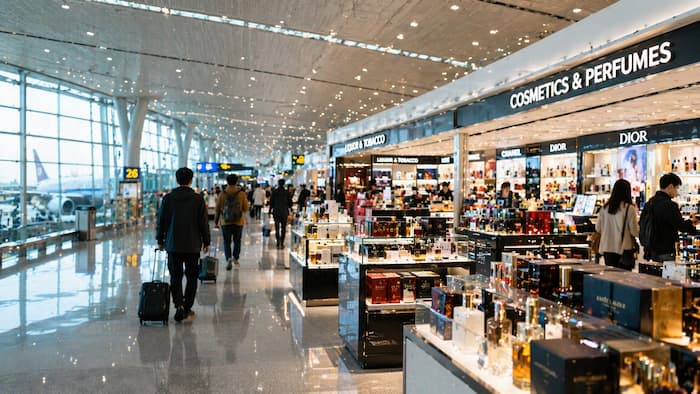
화려한 공항 면세점의 외형과 달리, 지금의 면세사업은 예전처럼 단순한 황금알 수익모델이 아니다.
관광객은 늘었는데 면세점 매출은 줄었다… 인천공항 귀환이 곧 부활을 뜻하진 않는다
K-컬처 간판은 화려하지만, 고임대료 거대매장을 떠받칠 새 수익모델은 아직 증명되지 않았다
김미래 기자 ㅣ 여행레저신문
롯데면세점이 3년 만에 인천국제공항으로 돌아왔다. 겉으로만 보면 화려한 복귀다. 인천공항 제1여객터미널 DF1 구역에 다시 깃발을 꽂았고, 회사는 연간 6000억 원 이상의 매출 확대 효과를 기대하고 있다. 샤넬, 디올, 라메르 같은 화장품·향수 브랜드와 주류·담배, 식품까지 240여 개 브랜드를 채운 대형 매장이다. 롯데로서는 “면세 1위의 자존심”을 다시 세운 장면처럼 보일 수 있다.
하지만 지금 시장은 롯데가 떠났던 3년 전의 시장이 아니다. 더 정확히 말하면, 롯데가 돌아온 것은 예전의 황금기가 아니라 완전히 달라진 전장이다. 한국 면세업계의 2025년 연간 매출은 전년 대비 11.9% 줄어 2016년 이후 최저치로 떨어졌다. 고객 수는 오히려 3.6% 늘었는데도 매출은 줄었다. 손님은 늘었는데 돈은 덜 쓰는 시장, 바로 그것이 지금 한국 면세업의 현실이다. 코로나 이전인 2019년과 비교하면 시장 규모는 거의 절반 수준으로 쪼그라들었다.
이 대목이 중요하다. 면세점 사업은 한때 “사람만 많이 오면 돈이 되는 장사”였다. 그러나 지금은 다르다. 외국인 관광객이 한국에 와도 예전처럼 면세점에서 박스째 사지 않는다. 소비는 공항과 시내 면세점에만 머물지 않고, 백화점, 올리브영 같은 H&B 스토어, 성수와 한남의 편집숍, 온라인 플랫폼으로 흩어진다. 단체관광과 따이공이 끌어주던 시대가 약해지자 면세업의 오래된 수익 공식도 함께 무너지고 있다. 대표님 말씀대로, 면세점은 지금 점점 더 “올드한 수익모델”이 되어가고 있다.
그런 점에서 이번 롯데의 복귀는 ‘왕의 귀환’이라기보다 ‘마지막 시험대’에 가깝다. 회사는 인천공항 DF1 구역 복귀를 성장 모멘텀으로 설명하지만, 냉정하게 보면 이 자리는 상징성만큼이나 부담도 큰 자리다. 대형 공항 면세점은 매출이 커 보이지만, 임대료와 운영비가 워낙 무거워 자칫하면 외형만 크고 수익은 남지 않는 구조로 빠지기 쉽다. 2024년 롯데면세점이 비상경영에 들어가 희망퇴직, 임원 급여 삭감, 조직 슬림화 같은 조치를 했던 것도 그 부담을 잘 보여준다. 최근 4개 분기 연속 흑자를 기록한 것은 분명 의미가 있지만, 그것이 시장 회복의 결과라기보다 비용 절감과 체질 조정의 산물이라는 점도 함께 봐야 한다.
롯데가 내세우는 승부수는 분명하다. K-컬처, K-뷰티, K-브랜드다. 쉽게 말해 “롯데면세점에 꼭 가야 할 이유”를 가격이 아니라 콘텐츠에서 찾겠다는 전략이다. 단순히 싸게 파는 곳이 아니라, 한국적 감각과 팬덤, 체험을 결합한 공간으로 만들겠다는 것이다. 이 방향 자체는 틀리지 않다. 예전처럼 가격만으로 승부하는 면세점은 더 이상 경쟁력이 약하다. 그러나 문제는 그 카드가 과연 비싼 임대료의 거대 공항 매장을 오래 버틸 정도로 강한 수익모델이 될 수 있느냐는 데 있다. 모객은 가능할지 몰라도, 결국 사업은 계산대에서 남는 돈으로 평가받는다.
여행객은 늘어도 면세점 매출이 예전처럼 따라오지 않는 현실을 보여주는 공항 리테일 현장.
해외 경쟁사와 비교하면 이 한계는 더 뚜렷해진다. 세계 최대 여행 리테일 기업 아볼타(Avolta)는 더 이상 전통적 의미의 면세점 회사에 머물지 않는다. 면세와 일반 리테일, 식음료를 함께 묶어 공항 안 여행객 동선 전체를 수익화하는 방향으로 움직이고 있다. 2025년 말 기준 전 세계 1357개의 일반 트래블 리테일 매장을 운영하며, 면세품 판매뿐 아니라 ‘먹고, 쉬고, 이동하는’ 시간 전체를 사업으로 만든다. 즉, 아볼타는 면세점만으로 버티지 않고 공항 소비 생태계 전체를 먹는 회사로 변신한 셈이다.
중국중면(CDFG)은 또 다르다. 이 회사의 힘은 롯데처럼 콘텐츠가 아니라 정책과 규모에서 나온다. 하이난이라는 거대한 면세특구와 중국 내수시장이라는 배경이 있다. 물론 그 하이난조차 2024년 면세 소비가 29.3% 급감할 만큼 충격을 받았고, 중국 럭셔리 시장도 예전만 못하다. 이는 정책형 모델도 영원히 안전하지 않다는 뜻이다. 다만 여전히 롯데와는 출발선이 다르다. CDFG는 국가 정책의 보호를 받지만, 롯데는 그런 방패 없이 시장에서 직접 버텨야 한다.
결국 롯데는 아볼타처럼 공항 전체 수익구조를 통합 운영하는 사업자도 아니고, CDFG처럼 정책 우산 아래 있는 사업자도 아니다. 그 사이에서 롯데가 기댈 수 있는 것은 한국 브랜드 파워와 K-콘텐츠의 흡인력인데, 이것은 분명 강점이지만 동시에 매우 불안정한 카드이기도 하다. 화제성은 크지만 지속성이 검증되지 않았기 때문이다. 팬덤은 뜨겁지만 유행은 빠르고, K-컬처는 사람을 불러오지만 반드시 고수익 구매로 이어진다는 보장은 없다.
더구나 세계 면세업의 흐름 자체도 만만치 않다. 하이난의 소비 급감은 중국 고객의 소비 패턴이 얼마나 빠르게 바뀌는지 보여줬고, 아볼타의 성장 방식은 더 이상 ‘면세점 단독 모델’만으로는 어렵다는 점을 보여준다. 롯데가 여전히 대형 면세 매장 중심의 사고에 머문다면, 인천공항 복귀는 화려한 이벤트에 그칠 가능성이 크다. “돌아왔다”는 뉴스는 만들 수 있어도 “돈이 된다”는 성적표는 전혀 다른 이야기이기 때문이다.
이쯤에서 기사의 질문은 분명해진다. 롯데가 인천공항으로 돌아온 것은 맞다. 그러나 돌아온 시장은 예전의 시장이 아니다. 고객은 더 분산됐고, 가격 우위는 약해졌고, 면세점이라는 업태 자체가 한계에 부딪히고 있다. 그래서 지금 롯데가 증명해야 할 것은 ‘귀환’이 아니라 ‘변신’이다. K-컬처를 내세우는 것만으로는 부족하다. 면세점이라는 업태의 본질을 다시 묻고, 공항 대형점포를 어떻게 진짜 돈이 되는 공간으로 만들지에 대한 답을 내놔야 한다.
롯데가 이번 복귀를 통해 얻은 것은 상징이다. 하지만 시장이 요구하는 것은 상징이 아니라 수익성이다. 왕관은 다시 썼지만, 그 왕국은 이미 예전의 왕국이 아니다. 이번 인천공항 복귀가 진짜 부활의 출발점이 될지, 아니면 낡은 제국의 마지막 과시가 될지는 이제 숫자가 말해줄 것이다. 원하시면 바로 이어서
South Korea is no longer an emerging travel market. It is already a mature outbound market by any meaningful measure. Tens of millions of Koreans travel overseas each year. Flights, hotels, package tours, independent travel, and platform-based booking have all become part of ordinary consumer life. Weekend getaways to Japan or Southeast Asia are routine. Longer vacations to Europe or North America are no longer unusual. Overseas travel is not a luxury reserved for a narrow elite. It is part of everyday life.
And yet one sector remains strangely thin.
Cruise.
Cruise products do exist in Korea. Foreign cruise itineraries can be booked through local agencies. Some Korean travelers have already taken multiple cruises. Major ports such as Busan, Incheon, and Jeju regularly release arrival figures, and government officials often highlight growing inbound cruise traffic as a policy achievement. On the surface, Korea appears to be part of the global cruise economy.
Look more closely, however, and a different reality emerges. Cruise in Korea still feels less like a fully functioning market and more like a limited product category that is sold from time to time, to a relatively narrow group of consumers, without ever becoming a broad-based travel habit. Products are available, but the market itself remains thin. There are transactions, but not enough accumulation. There is visibility, but not enough depth. Cruises may be booked, but they have not yet become embedded in Korean travel culture in the way other forms of overseas travel already have.
The most common explanation is familiar. Koreans, we are told, are simply not well suited to cruise travel. They prefer faster movement, shorter stays, tighter itineraries, and more visible destination-hopping. Cruise takes too long, costs too much, and feels too unfamiliar. For some travelers, there is also the issue of seasickness or the perceived discomfort of spending so much time on a ship.
Some of that may be true at the margins. But it is not enough to explain the whole picture.
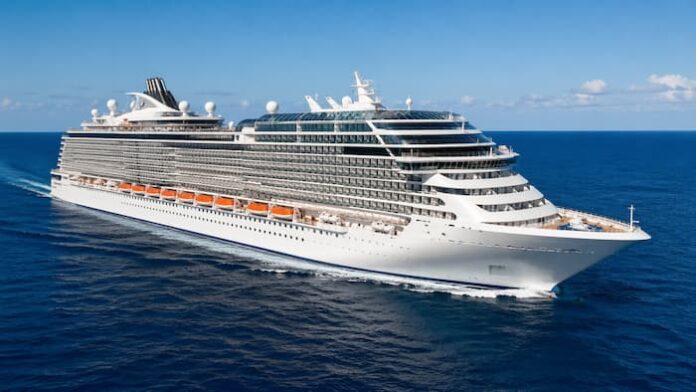
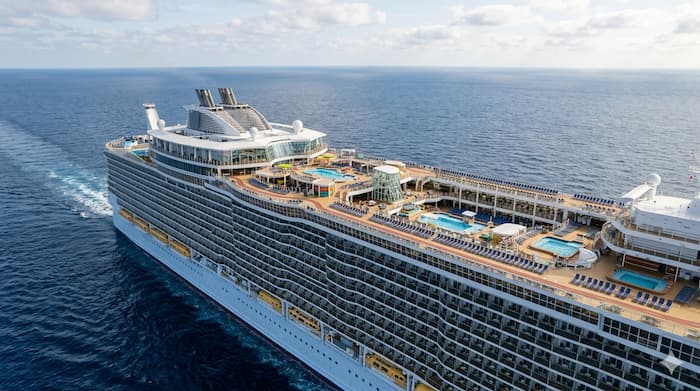
Upper deck and balcony cabins of a large cruise ship sailing across open blue water
When a country has already normalized international travel on a massive scale, it is too easy to blame the weakness of one travel format on national taste alone. If millions of people are comfortable flying overseas, paying for higher-end experiences, and experimenting with different travel styles, then the real question is not simply whether demand exists. The more important question is whether the market was ever built properly in the first place.
That is the starting point of this series.
The slow and uneven development of Korea’s cruise market is not just a matter of preference. It is the result of structural underbuilding. Cruise lines did not treat Korea with enough strategic seriousness. Travel agencies too often handled cruise as something to distribute rather than something to interpret and cultivate. Ports and local governments focused more on arrival figures than on building the kind of stay-based system that allows cruise culture to deepen. What Korea has had, in other words, is not the absence of product but the absence of a fully developed market structure.
That distinction matters.
A cruise is not just transportation. It is not simply a room on a ship, nor is it merely a way of moving between destinations. It is a combined travel system in which lodging, dining, entertainment, public space, movement, atmosphere, and shore experience are all consumed together. A real cruise market cannot be built by adding more sailings alone. It requires explanation. It requires consumer education. It requires sales language that tells first-time travelers why one cruise line feels different from another, why one itinerary suits families while another suits couples or experienced travelers, and why cruise should be understood not as a hotel replacement or an expensive ticket, but as its own category of travel.
That work has been weak in Korea for too long.
Cruise lines have often approached Korea more as a secondary sales territory than as a market worth building patiently over time. Travel agencies have often treated cruise more like cabin supply than like a new travel culture that needs translation and guidance. Ports and public agencies, meanwhile, have often measured success in arrivals rather than in what happens after arrival: whether passengers stay longer, spend more, return again, or begin to see cruise as a familiar way to travel.
The result is a recurring contradiction. Ships arrive, but culture does not stay. Products are available, but the market does not thicken. Statistics improve, but industry depth remains weak.
That contradiction can no longer be dismissed as a temporary phase.
This series is not a simple travel feature, and it is certainly not a soft invitation to consider taking a cruise someday. It is an industry critique. More than that, it is a test of whether Korea’s tourism industry is capable of designing the next layer of travel structure beyond flights, hotels, package tours, and booking platforms.
The Korean travel market has already passed through the eras of airfare competition, hotel selection, packaged group travel, independent travel, and digital reservation platforms. The next challenge is more complex. It is whether the industry can build forms of travel that are more integrated, more stay-oriented, and more value-intensive. Cruise is one of the clearest tests of that ability. And so far, Korea has not passed that test.
That is why this series matters.
Part One examines why Korea’s cruise market still remains thin in a country where outbound travel is already deeply normalized. Part Two looks at why travel agencies have continued to sell cruises like cabin inventory rather than as a return-worthy travel experience. Part Three turns to ports, asking why Busan, Incheon, and Jeju have still not become true cruise hubs even as ship arrivals grow. Part Four then asks what must change if Korea wants to build a real cruise market from here.
The issue, in the end, is not that Korea has no cruise products. It is that Korea still has not fully built a cruise market.
And in a country where so many other forms of overseas travel have already become ordinary, that failure is no longer a minor gap. It is a revealing weakness in the way the industry imagines, explains, and builds the future of travel.
About this series
Cruise Series | Why Korea’s Cruise Market Still Has Not Fully Taken Shape
This four-part series examines why cruise remains thin, fragmented, and underdeveloped in one of the world’s most active outbound travel markets. The problem is not simply demand. It is the failure to build the right structure, language, distribution model, and port strategy needed for cruise to take root as a mainstream travel culture in Korea.
Series lineup Part 1 Why Korea’s Cruise Market Still Has Not Fully Taken Shape Part 2 Why Korean Travel Agencies Still Sell Cruises Like Cabin Inventory Part 3 Why Busan, Incheon, and Jeju Have Not Become True Cruise Hubs Part 4 How Korea’s Cruise Market Should Be Rebuilt from Here
Next in the series
Part 2 | Why Korean Travel Agencies Still Sell Cruises Like Cabin Inventory In a market that should be selling experience, the industry has spent too long just moving rooms — and that is one reason cruise still has not taken root in Korea.
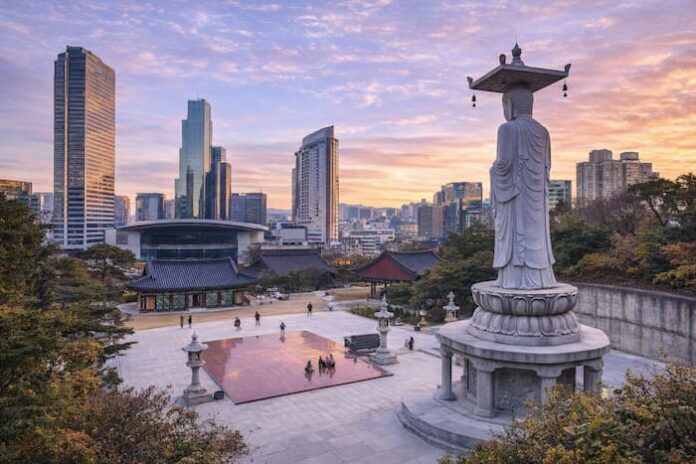
A standing Buddha looks over Bongeunsa as the glass towers of Gangnam rise beyond the temple grounds, capturing the unique character of this thousand-year temple in modern Seoul.
A Thousand-Year Temple in the Middle of Gangnam
There are places in Seoul that seem to belong to two different civilizations at once. Bongeunsa is one of them.
Step out of the polished glass world of Gangnam, past COEX and the trade towers, and you suddenly find yourself entering a temple first founded in 794 during the Silla Dynasty. Bongeunsa is not hidden in a remote mountain valley, nor does it ask you to leave the modern city far behind before you reach it. It stands right in front of one of the busiest commercial districts in Korea, and that is precisely what makes it so memorable. Official sources describe it as a temple first established in 794, originally under a different name, and later rebuilt and expanded at its present site, where it became closely associated with royal patronage in the Joseon period.
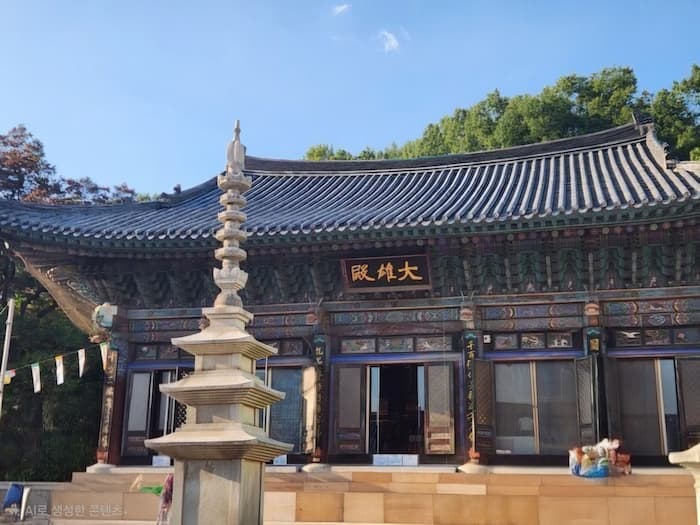
Daeungjeon Hall at Bongeunsa presents the temple’s traditional architectural beauty, with a stone pagoda standing quietly in front of the main hall.
Most Korean temples are imagined as mountain sanctuaries. That image is not wrong, but it is incomplete. Bongeunsa offers another face of Korean Buddhism: a great urban temple that has survived political shifts, dynastic change, modernization, and the explosive rise of Seoul’s southern districts. Visit Seoul notes that the temple was founded in 794 and today holds more than a thousand years of history, even as it stands in the heart of contemporary Gangnam.
What makes Bongeunsa unusual is not only its age, but its setting. Across the road, Seoul performs its most modern self: convention halls, luxury hotels, department stores, offices, traffic, screens, and money. Inside the temple grounds, the rhythm slows. Courtyards widen. Wooden halls breathe. Stone paths absorb the noise. This contrast is not simply picturesque. It feels like a quiet argument about what a city is for. Bongeunsa does not take you backward into nostalgia. It suggests something else: that the future of urban life may still need silence, ritual, and inner balance. That is an interpretation rather than a formal historical claim, but it is exactly the impression the place leaves on many visitors.
Historically, Bongeunsa also matters because it was not just a neighborhood temple. During the Joseon era, it became an important temple connected to the royal court, and its name took shape in that context. Official Korean tourism sources note that it was refurbished in 1498 by Queen Jeonghyeon and renamed Bongeunsa. The temple’s own English materials also emphasize its role in the revival of Korean Buddhism and its long institutional importance.
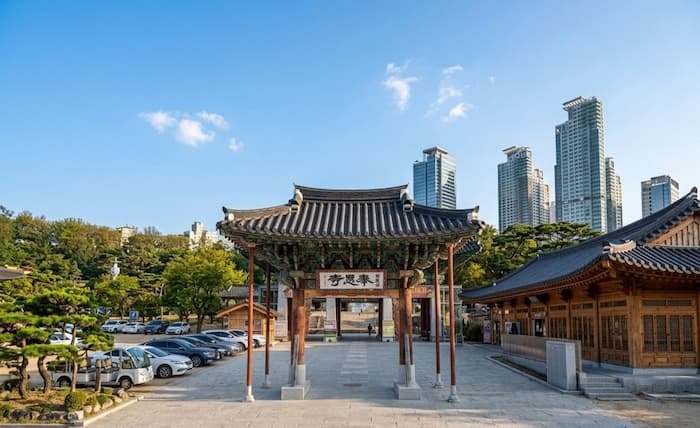
Bongeunsa’s entrance gate stands between traditional temple architecture and the modern skyline of Gangnam, showing the striking contrast that defines this historic Seoul temple.
The temple is also known for what visitors can actually see and feel. There are the traditional halls, the broad courtyard, and the famous giant standing statue often identified as Mireuk Daebul, or Maitreya Buddha, which has become one of Bongeunsa’s visual signatures. Seoul’s official tourism materials highlight the temple’s major halls and cultural assets, while the temple’s own site frames it as both a religious and cultural space in the middle of the city.
For foreign visitors, Bongeunsa becomes especially valuable because it is not difficult to reach and it offers more than a photo stop. It is one of the temples connected to Korea’s official templestay network, where visitors can experience elements of Buddhist monastic culture rather than only observe them from the outside. The English templestay portal and Bongeunsa’s own English pages describe programs that include temple tours, tea, Buddhist cultural activities, and short experiential sessions, with current listings including one-day and evening-oriented options.
That practical point matters. Many English-language travelers are curious about Korean Buddhism, but do not know where to begin. Bongeunsa is one of the easiest starting points in Seoul because it combines accessibility with depth. You can come here as a casual traveler with one free hour, or you can reserve a program and stay longer through a templestay-style experience. According to the official templestay listings, Bongeunsa currently offers programs such as a Sunday evening experience and a Thursday temple tour and tea program, though schedules can change and should be checked before visiting.
There is also something symbolically fitting about beginning a Korean temple series with Bongeunsa. In many countries, religious sites survive by withdrawing from the center. Bongeunsa did the opposite. It remained in place while the city around it became richer, louder, and faster. Today it faces one of the most globalized parts of Seoul without surrendering its identity. That is why it feels less like a relic of the past and more like a proposition for the future: a reminder that modernity without stillness becomes exhausting, and prosperity without inward life feels thin.
Templestay and Practical Visitor Information
Bongeunsa is located at 531 Bongeunsa-ro, Gangnam-gu, Seoul, directly across from the COEX area, making it one of the most accessible major temples in the city. Official tourism and templestay sources confirm both the address and its easy urban location.
Visitors interested in templestay should check the official English templestay site before going, because available programs, dates, and reservation conditions may change. The current official listings show short-format experiences at Bongeunsa in addition to general temple information.
A good first visit is simple: arrive in the late afternoon, walk slowly through the grounds, spend time near the main courtyard and the great statue, and let the contrast between the temple and Gangnam do its work. Bongeunsa is not just a place to “see.” It is a place to notice how a city sounds when silence is still allowed to exist inside it.
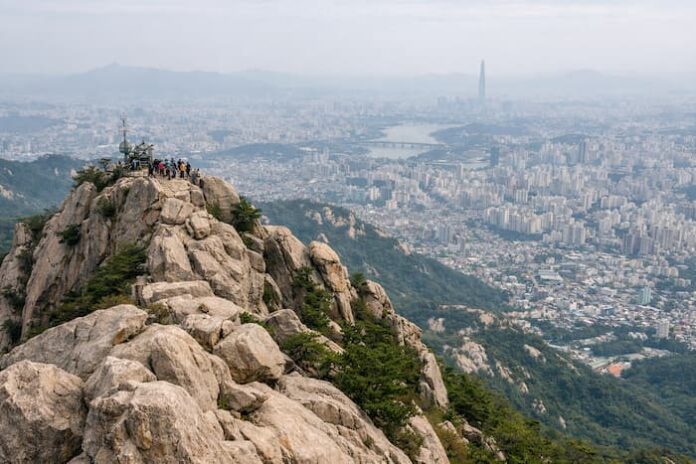
The rocky heights of Gwanaksan rise above the southern edge of Seoul, where urban life, old legend, and mountain culture meet in a single landscape.
Gwanaksan: Where Seoul Ends and Korea’s Mountain Spirit Begins
By Manjae William Lee | The Travel News
There are cities that keep their mountains at a distance, placing them somewhere beyond the suburbs, beyond the highways, beyond the daily reach of ordinary life. Seoul is not one of them. In Seoul, mountains arrive quickly. They rise behind apartment blocks, above university roads, beside traffic and train lines, as if reminding the city that it was built not on empty land but in conversation with stone, water, wind, and memory. Among those mountains, Gwanaksan is one of the clearest places to understand what makes Korea’s mountain culture different. It is not the highest peak in the country, nor even the tallest in Seoul, but it possesses something more immediate: character. Official tourism information describes Gwanaksan as a 632.2-meter mountain with rugged rocky peaks and deep valleys, a place close enough to the city for a day trip and yet dramatic enough to feel distinctly wild.
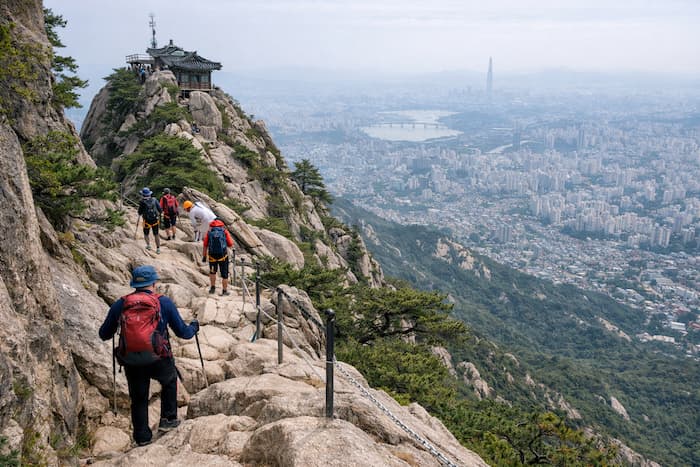
A steep trail on Gwanaksan reminds visitors that this familiar Seoul mountain still demands respect, preparation, and steady footing.
That first contrast is what stays with a foreign walker. A subway ride ends, a road bends, and suddenly the air changes. The noise of the city does not vanish at once, but it begins to lose authority. Granite starts to dominate the landscape. The ridges rise in uneven, muscular lines. Pine trees cling to rock as if they have signed an old contract with the mountain. Gwanaksan does not feel soft or ornamental. It feels stern, weathered, and alert. Korea Tourism Organization materials note that the mountain’s many rocky peaks and valleys give it a rugged impression, and that is exactly right. It is a mountain that seems to introduce itself first through texture rather than height.
Its name already carries a story. According to the Encyclopedia of Korean Culture, Gwanaksan was called so because its summit resembled a traditional Korean hat, a gat, creating the image of a crowned mountain. The same source records that it was also known as Sogeumgang or Seogeumgang—“Little Geumgang” or “Western Geumgang”—because of its beautiful rocky scenery. These older names matter. They show that Koreans did not see Gwanaksan simply as a hill near the capital. They saw shape, dignity, and resemblance. They looked at stone and found metaphor in it.
Gwanaksan also stands deep inside the historical imagination of Seoul. Traditional geomantic thinking regarded it as a mountain with strong fire energy, a force so powerful that it had to be balanced when the Joseon capital was established in Hanyang. The Korean encyclopedia records the long-standing belief that the mountain’s fiery energy was one reason for symbolic countermeasures such as the placement of protective features in the capital. Another entry notes that traces of ponds and water features around the mountain were also connected to efforts to suppress that fire energy. Whether one reads this today as belief, political symbolism, or landscape philosophy, the point is the same: in Korea, mountains were never just physical backdrops. They were actors in the fate of a city.
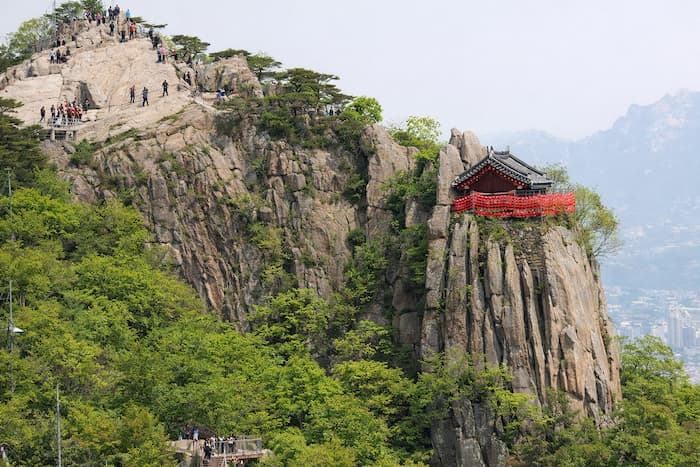
Yeonjudae, perched high on the cliffs of Gwanaksan, holds layers of royal memory, legend, and spiritual symbolism above modern Seoul.
No place on Gwanaksan expresses that fusion of topography and memory more powerfully than Yeonjudae and Yeonjuam. At the summit area are temple sites and hermitages closely tied to early Joseon history. Korea Tourism Organization describes Yeonjuam Hermitage near the top as one of the mountain’s defining landmarks and notes traditions linking summit temples to King Taejo’s efforts to ward off misfortune when he moved the capital to Seoul. The Encyclopedia of Korean Culture adds more emotional depth: the name Yeonjudae is associated with longing for the old dynasty and gazing toward Songdo, the former Goryeo capital. Later traditions also connect the site to Princes Yangnyeong and Hyoryeong, who are said to have stayed there after courtly upheaval. On that high stone platform, history does not feel abstract. It feels like something that climbed here, looked back, and could not easily let go.
For an outsider, that is one of the most striking aspects of hiking in Korea. A mountain trail here is rarely just a recreational route. It is often a corridor through religion, kingship, folklore, and daily urban life at the same time. Gwanaksan has long been a favorite hiking destination because it is close to the city, yet the mountain is layered with temples, shrines, cliff paths, and old names that reward anyone willing to walk more slowly and read the landscape as culture. The official Seoul and national tourism descriptions both emphasize its accessibility, but they also make clear that the mountain is not gentle merely because it is nearby.
That point deserves emphasis, especially for foreign visitors. Gwanaksan may sit beside a global city, but it is not a casual urban stroll. The Korea Tourism Organization’s 2025 hiking guide classifies it among Seoul’s more challenging mountain walks and specifically advises proper warm-up, hiking boots, and extra care because the ridge trail involves repeated ascents and descents over rocky terrain. The guide also recommends gloves or hiking sticks to make the route easier. For beginners, that advice should not be treated as optional. A mountain close to the city can still punish overconfidence.
This is where Korean hiking culture becomes especially interesting. In many countries, hiking still carries the image of escape from civilization. In Korea, it often feels like an extension of civilization—disciplined, social, and surprisingly well-prepared. Older hikers move with admirable efficiency. Many carry poles, layered clothing, water, fruit, and simple trail food. There is a seriousness to it, but not a grim one. It is a culture of respect: respect for the mountain, for weather, for routine, for one’s own limitations. Seoul has recognized the popularity of this culture strongly enough to establish the Seoul Hiking Tourism Center at Gwanaksan Station, where foreign visitors can obtain information and even access services related to hiking gear. That is not a small detail. It shows that in Seoul, hiking is not a fringe pastime. It is part of how the city introduces itself.
So what should a first-time foreign hiker actually bring to Gwanaksan? The answer is simple and practical: proper hiking shoes with grip, enough water, light snacks, a windproof layer, and, if possible, gloves or hiking poles. On warm days, sun protection matters. On colder or windy days, exposed ridges can feel harsher than expected. Trails can become slick after rain, and rocky sections demand attention on descent as much as on ascent. The best approach is not bravado but pacing—start early, follow marked routes, and remember that a 632-meter mountain can feel much larger when the trail rises and falls over stone instead of unfolding on soft forest earth.
There is also a cultural etiquette worth learning. Korean mountains are active shared spaces. People greet each other. They step aside. They pause at viewpoints without claiming them for too long. Temples and hermitages are not merely scenic decorations for photographs; they remain places of devotion. A foreign visitor who understands this will enjoy Gwanaksan more deeply. The mountain becomes not just a physical challenge but an introduction to Korean habits of coexistence—between city and nature, between effort and contemplation, between history and present-day life.
What makes Gwanaksan especially meaningful as the beginning of a series on Korean mountains is that it teaches the essential lesson early. Korea’s mountains are not always vast in the Alpine sense. Many are not remote. Some stand astonishingly close to crowded neighborhoods, subway stations, campuses, and apartment districts. Yet once entered, they reveal a different scale of experience. Height becomes less important than relation: relation to memory, to legend, to the capital, to the people who keep returning. Gwanaksan is one of those mountains that explains a country not by size, but by nearness.
Standing on its rocky heights, one sees not only Seoul spread below but also a clue to why mountains matter so deeply in Korea. They are not simply visited. They are revisited. They are not scenery outside life; they are folded into life itself. Gwanaksan, with its stern granite face, summit legends, old temples, and demanding ridges, is therefore more than a good hike near Seoul. It is one of the finest introductions to the Korean mountain spirit a foreign writer could ask for.
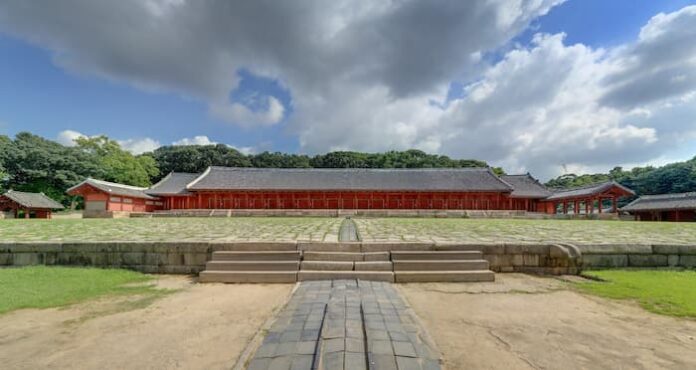
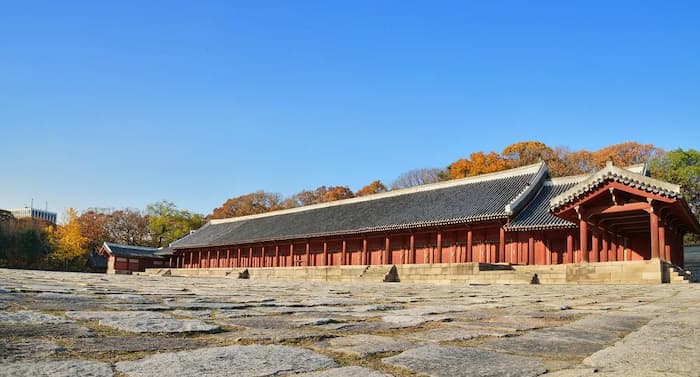
Jeongjeon at Jongmyo is remembered not for spectacle, but for restraint, where the long hall and vast stone courtyard still preserve the ritual order of Joseon.
In the heart of the capital, Joseon survives not in spectacle, but in silence
By Dr. Howard Johnson Cultural Historian, UK
There are places in Seoul that announce themselves with light, noise, and movement. Jongmyo does the opposite. You do not so much arrive there as fall into it. One moment you are standing beside the restless current of modern traffic on Yulgok-ro, and the next you are facing a long wall, a low gate, and a silence so composed that it seems to have been guarded for centuries.
For a foreign visitor, especially one raised among the cathedrals, cloisters, and stone memory of Europe, Jongmyo comes as a surprise. It is not visually exuberant. It does not seek to overwhelm the eye. Its power lies elsewhere — in restraint, proportion, emptiness, and the quiet confidence of a civilisation that believed moral order could be expressed through architecture.
Jongmyo was built in 1395, soon after the founding of the Joseon dynasty, and it was never intended as a mere memorial to the dead. It was one of the spiritual foundations of the state. In old Korea, the phrase Jongmyo-sajik did not simply refer to ritual sites. It meant the continuity of the dynasty, the legitimacy of rule, and the survival of the realm itself. To protect Jongmyo was to protect the nation’s soul.
That helps explain why the shrine feels different from other royal sites in Seoul. Gyeongbokgung may speak of authority. Changdeokgung may reveal elegance and adaptation to landscape. But Jongmyo speaks of duty — duty to ancestry, to order, to memory, and to the invisible structure that held Joseon together for more than five centuries.
Seen from a diagonal angle, Jeongjeon reveals the full length of its quiet architecture and the disciplined beauty of Joseon ritual space.
At the heart of the complex stands Jeongjeon, the main hall, a building of extraordinary length and composure. It is often described as austere, and indeed it is. Yet austerity here is not absence. It is intention. Each chamber houses the spirit tablets of kings and queens, and the repetition of doors, stones, and timber creates a rhythm that feels almost liturgical. One senses that this is not architecture designed to impress a visitor for a moment, but to discipline the mind over generations.
Nearby stands Yeongnyeongjeon, the Hall of Eternal Peace, where those later honoured by the dynasty were enshrined. Even this distinction between halls tells us something profound about Joseon. Bloodline, legitimacy, posthumous honour, and moral worth were not casual matters. They were arranged, debated, ritualised, and ultimately fixed into sacred space.
But Jongmyo was never complete without ceremony. It existed to be used. The royal ancestral rites performed here were not decorative survivals from a vanished age. They were the visible enactment of Confucian kingship. The king did not merely govern the living. He stood in continuity with the dead, and before the court, the musicians, and the ritual order of the shrine, he demonstrated that rule itself was an ethical burden.
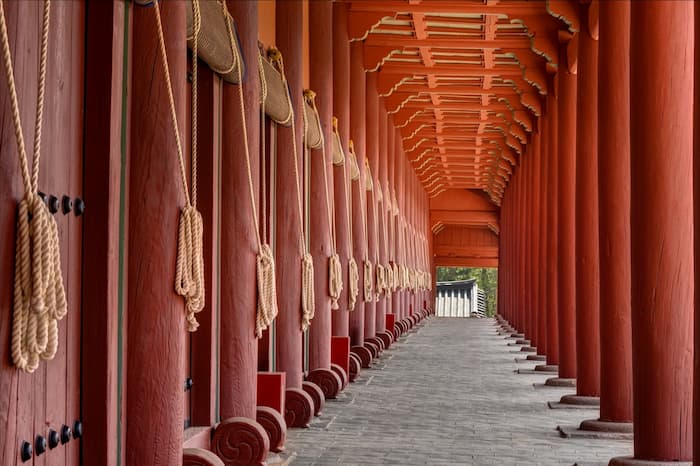
The corridor at Jongmyo, lined with red wooden columns, reflects the quiet rhythm and ceremonial dignity of the shrine.
This is why the music of Jongmyo matters so deeply. Jongmyo Jeryeak is not background sound. It is statecraft in audible form. The slow percussion, the grave wind instruments, the measured chant, and the restrained ritual dance all combine to produce something that feels less like performance than alignment — as if heaven, earth, ruler, and ancestor are being briefly brought into harmony. For Western ears accustomed to climax and emotional flourish, the experience can seem severe at first. Then it begins to work inwardly. One stops waiting for drama and starts hearing structure.
Perhaps that is the great lesson of Jongmyo. So much of modern urban life is built around acceleration, interruption, and display. Jongmyo proposes another idea of civilisation: that endurance comes not from speed, but from form; not from noise, but from repetition; not from spectacle, but from reverence.
There is also a wound in the landscape. Jongmyo was once linked to Changdeokgung by the royal path known as the Eodo, the road reserved for the sovereign. During the Japanese occupation, that symbolic axis was broken apart and modern roads cut through the historical fabric. Yulgok-ro, today busy and functional, sits atop a scar as much as a street. To understand Jongmyo fully is to understand not only what Joseon built, but also what colonial modernity tried to sever.
And yet Seoul remembers. That, too, is part of the experience of visiting Jongmyo today. The city around it surges forward with all the appetite of the twenty-first century, but inside the shrine precinct, another rhythm survives. The air feels slower. The geometry of the courtyards steadies the eye. Even the emptiness seems inhabited.
I have often thought that great capitals reveal themselves not first in their palaces or markets, but in the places where they honour the dead. London has Westminster Abbey. Paris has Saint-Denis. Seoul has Jongmyo — less theatrical, perhaps, but in some respects more profound. It does not ask for admiration. It asks for composure.
And so Jongmyo remains one of the few places in Seoul where Joseon is not reconstructed, branded, or performed for convenience. It is simply there: patient, grave, and astonishingly intact. In a city that changes with remarkable speed, Jongmyo reminds us that memory is not the opposite of progress. It is what prevents a civilisation from becoming weightless.
To walk into Jongmyo, then, is not merely to enter a heritage site. It is to step into the moral imagination of old Korea — and to discover, amid stone and silence, that some parts of Seoul still whisper in the language of kings.
강원 양양 하조대 해안의 고요한 풍경. 절벽 위 정자와 바다, 파도 소리가 어우러진 장면이 ‘조용한 여행’의 분위기를 상징적으로 보여준다. 기사 참고용 이미지
부킹닷컴 “한국 여행객 약 5명 중 2명, 자연과 더 가까워지기 위해 여행 떠날 의향”
인제·양양·서귀포·완도·영주·산청… 봄철 ‘느린 휴식’에 맞는 국내 여행지 주목
이만재 기자 ㅣ 여행레저신문
끊임없이 울리는 알림과 짧아진 집중력, 과잉 연결의 피로가 일상이 된 시대다. 이제 여행은 단순히 멀리 떠나는 일이 아니라, 잠시라도 소음과 속도에서 벗어나는 일에 가까워지고 있다. 부킹닷컴은 최근 ‘조용한 여행’ 수요를 반영한 국내 봄 여행지 6곳을 소개하며, 한국 여행객 약 5명 중 2명이 자연과 더 가까워지기 위해 여행을 떠날 의향이 있다고 밝혔다.
이번에 주목받은 곳은 강원 인제와 양양, 제주 서귀포, 전남 완도, 경북 영주, 경남 산청이다. 공통점은 화려한 소비보다 풍경과 거리감, 그리고 머무는 리듬을 중시하는 장소라는 점이다. 도시의 소음을 피해 숲과 바다, 산과 섬으로 들어가려는 흐름이 이제는 일부 취향이 아니라 하나의 여행 방식으로 자리 잡고 있다는 뜻이기도 하다.
강원 인제 원대리 자작나무숲. 곧게 뻗은 흰 자작나무와 조용한 숲길이 ‘소음 없는 여행’의 분위기를 상징적으로 보여준다. 기사 참고용 이미지
강원 인제는 원대리 자작나무숲과 내린천, 계곡 주변 풍경을 중심으로 조용한 자연 휴식에 적합한 곳으로 꼽혔다. 숲길을 따라 걷고 물소리를 들으며 머무는 경험이 강점으로 제시됐다. 화려한 체험거리보다 공기와 숲의 밀도가 여행의 핵심이 되는 지역이다.
양양은 흔히 서핑으로 먼저 소비되는 도시지만, 이번 추천에서는 파도 소리와 해안 풍경을 가까이에서 느낄 수 있는 장소라는 점이 강조됐다. 긴 백사장을 따라 걷거나 바다를 바라보며 머무는 것만으로도 여행의 속도를 늦출 수 있다는 설명이다. 활동의 도시라기보다, 해안을 따라 천천히 호흡을 맞추는 휴식지로 본 셈이다.
제주 서귀포 곶자왈. 화산암과 원시림이 빚어낸 깊은 초록의 정적이 ‘조용한 여행’의 또 다른 얼굴을 보여준다. 기사 참고용 이미지
서귀포는 숲과 바다, 완만한 산책 동선이 함께 있는 제주 남쪽의 장점을 앞세웠다. 특히 자연환경 속에서 조용히 걷고 머물 수 있는 점이 ‘조용한 여행’ 트렌드와 잘 맞는 지역으로 읽힌다. 제주 안에서도 관광 밀도가 높은 일부 지역과는 다른 결의 휴식감을 기대할 수 있다.
완도는 청산도를 비롯한 다도해 풍경, 느린 이동, 섬 특유의 체류 감각이 강점으로 제시됐다. 빠르게 소비하는 여행보다, 바다와 마을의 리듬에 자신을 맞추는 체류형 여행지에 가깝다. 풍경을 ‘보는’ 데서 끝나는 것이 아니라, 하루의 속도를 낮추는 방식의 쉼이 가능한 곳이다.
영주는 소백산과 부석사, 풍기 일대의 고요한 산세와 인문 자원을 함께 누릴 수 있는 지역이다. 자연 경관에 더해 역사와 건축, 온천 자원이 연결돼 있어 단순한 힐링 여행을 넘어 차분한 사색형 여행지로도 경쟁력이 있다.
산청은 지리산 자락과 한방, 웰니스 이미지가 결합된 지역이다. 둘레길과 산촌 풍경, 약초 문화가 어우러져 몸을 쉬게 하는 여행지로 자주 언급된다. 조용한 환경에서 천천히 걷고 숙면하는 것만으로도 충분한 목적지가 될 수 있다는 점에서, 최근의 휴식 여행 흐름과 맞닿아 있다.
이 흐름은 단순한 감성 마케팅으로만 볼 일은 아니다. 부킹닷컴의 2026년 여행 조사에서도 한국 여행객은 ‘짧고 자주’ 떠나는 패턴을 보였고, 숙소 선택에서는 청결과 기본 품질을 중요하게 여기는 경향이 확인됐다. 결국 여행의 화려함보다 회복 가능성과 체류의 질이 더 중요해지고 있다는 뜻이다. ‘조용한 여행’은 이제 낭만적인 유행어가 아니라, 과로와 과잉 연결에 지친 시대가 만들어낸 현실적 수요에 가깝다.
[편집장 시각] 편리함보다 회복력, 2026년 여행의 기준이 바뀐다
이번에 제시된 6곳의 가치는 관광 명소의 숫자보다 ‘얼마나 덜 시끄러운가’에 있다. 더 많은 것을 보는 여행보다, 덜 자극받는 여행이 오히려 더 비싸고 더 귀한 시대가 됐다. 자연과 가까운 곳, 속도를 늦출 수 있는 곳, 굳이 무언가를 하지 않아도 되는 곳이 새로운 경쟁력을 얻는 이유다. 부킹닷컴의 이번 추천은 결국 하나의 질문으로 정리된다. 지금 여행자들이 찾는 것은 새로운 장소가 아니라, 다시 자기 호흡을 되찾을 수 있는 환경이 아니냐는 것이다.
15일 코엑스 개막, 상반기 최대 규모 커피 비즈니스 플랫폼… ‘베트남’ 주빈국 선정 – 16일부터 한국국제베이커리페어 동시 개최, 커피·디저트 시너지 및 운영 솔루션 집중
천수재 기자 ㅣ 여행레저신문
대한민국 커피 산업의 오늘과 내일을 진단하는 ‘2026 서울커피엑스포’가 15일 서울 삼성동 코엑스에서 화려한 막을 올렸다. 단순한 시음 행사를 넘어 카페 운영의 실질적 해법과 글로벌 트렌드를 제시하는 이번 박람회는, 포화 상태에 이른 국내 커피 시장의 생존 전략을 모색하는 비즈니스 플랫폼으로서의 위상을 공고히 하고 있다. 오는 18일까지 나흘간 진행되는 이번 전시는 상반기 최대 규모로, 커피 산업 전반을 아우르는 날카로운 시각을 견지한다.
글로벌 트렌드와 로컬 감성의 충돌: 주빈국 베트남과 로스터즈 클럽
올해로 15회째를 맞이한 서울커피엑스포는 ‘Blend the World(세계를 블렌딩하다)’를 슬로건으로 내걸었다. 특히 올해의 주빈국으로 선정된 베트남 특별관에서는 세계적인 커피 산지로서의 저력과 ‘G7’ 등 현지 유명 브랜드의 혁신을 직접 확인할 수 있다. 이는 글로벌 원부재료 시장의 흐름을 파악하려는 업계 관계자들에게 중요한 지표가 된다.
동시에 일본 로스터리의 노하우를 공유하는 ‘글로벌 커피 스트리트’와 국내 전국 각지의 로스팅 철학을 한자리에 모은 ‘로스터즈 클럽’은, 대형 프랜차이즈와의 차별화를 꿈꾸는 개인 카페 운영자들에게 ‘스토리텔링’과 ‘품질 고도화’라는 명확한 해법을 제시한다.
경계를 허무는 비즈니스 확장: 베이커리 페어와의 시너지
오는 16일부터는 ‘2026 한국국제베이커리페어’가 동시 개최되어 전시의 깊이를 더한다. 최근 카페 트렌드가 음료를 넘어 디저트와 식사 대용 메뉴로 확장되는 ‘F&B 융복합’ 현상을 반영한 기획이다. 입장권 하나로 두 전시를 모두 관람할 수 있는 통합 운영 방식은, 커피와 베이커리 산업 간의 실질적인 비즈니스 매칭과 협업 기회를 창출하며 전시의 효율성을 극대화했다.
단순 관람을 넘어선 인사이트: 커피토크콘서트 2.0
이번 박람회의 백미는 전문가들의 실전 노하우가 공유되는 강연 프로그램이다. ‘커피토크콘서트 2.0’에서는 모모스커피, 동서식품 카누(KANU) 등 시장을 선도하는 브랜드들의 마케팅 전략과 컨셉 라이팅 사례가 가감 없이 공개된다. 이는 단순한 정보 전달을 넘어, 변화하는 소비자 경험(UX)에 대응하는 업계의 고도화된 전략을 엿볼 수 있는 기회다.
[‘공급 과잉’ 시대, 결국 본질은 ‘전문성’과 ‘솔루션’
이번 서울커피엑스포 2026이 보여주는 핵심은 명확하다. 단순히 원두를 팔고 기계를 전시하는 시대를 지나, ‘어떻게 살아남을 것인가’에 대한 경영 솔루션을 제안하는 자리로 진화했다는 점이다.
주최 측이 강조한 스마트 운영 솔루션과 웰니스 커뮤니티 협업관은 카페가 단순한 소비 공간을 넘어 라이프스타일의 거점으로 변모하고 있음을 시사한다. 결국 2026년 커피 시장의 승자는 기술적 고도화와 인간적 감각의 블렌딩을 누가 더 정교하게 구현하느냐에 달려 있다.
단순히 “해외여행이 늘었다”는 현상 나열을 넘어, 관광업계의 주도권이 어떻게 이동하고 있호텔스닷컴, ‘SNS 픽’ 중심의 목적형 여행 트렌드 분석… 데이터가 증명한 주도권의 이동
천수재 기자 ㅣ 여행레저신문
2026년 5월 가정의 달을 앞두고 한국인 가족 여행 시장은 과거 부모 세대가 주도하던 ‘패키지형 관광’에서 벗어나, 데이터와 영상미에 민감한 Z세대가 일정을 설계하는 ‘체험형 목적지’ 중심으로 체질 개선을 완료했다.
글로벌 숙박 플랫폼 호텔스닷컴의 ‘언팩 ’25(Unpack ’25)’ 보고서는 단순한 여행지 추천을 넘어, 소셜 미디어 알고리즘이 실질적인 예약 트리거로 작동하는 ‘SNS 픽 여행(One-Click Trips)’의 시대가 도래했음을 강력하게 시사하고 있다.
알고리즘이 설계한 여행지… 데이터 기반의 실질적 예약 의사결정 디지털 전환(DX)을 넘어 AI 기반의 AX(AI 전환) 시대로 접어들며, 여행 소비자의 의사결정 구조는 더 이상 인쇄 매체나 전통적인 미디어에 머물지 않는다.
중국 전통 건축 양식에 화려한 야간 조명이 켜진 상하이 예원의 야경 풍경
이번 호텔스닷컴 조사 결과에 따르면, 국내 응답자의 68%가 소셜 미디어에서 접한 시각적 콘텐츠를 기반으로 숙박부터 액티비티까지 전체 여정을 예약하고 싶다는 의사를 밝혔다. 이는 고화질 사진과 숏폼 영상이 단순한 감상을 넘어 강력한 커머스 도구로 진화했음을 보여준다.
특히 여행 계획에 미치는 영향력에서 가족(35%)과 SNS 인플루언서(13%)가 상위권을 차지한 점은, 젊은 세대의 취향이 가족 전체의 이동 경로를 결정하는 이른바 ‘MZ 주도형 가족 여행’이 주류가 되었음을 증명한다.
5월 연휴 해외 비중 75% 집중… ‘가심비’와 ‘시각적 경험’의 결합
호텔스닷컴 코리아의 검색 데이터는 5월 연휴 기간 전체 여행 수요의 75%가 해외에 집중되어 있음을 가리키고 있다. 가족 여행객의 70%가 해외로 눈을 돌리는 가운데, 일본은 전년 대비 검색량이 28% 급증하며 근거리 체험형 여행지로서의 독보적 지위를 유지했다.
장거리 노선인 미국(12% 상승) 또한 Z세대의 감성을 자극하는 도시 탐험 중심지로 각광받고 있다. 주목할 점은 예약 시점이다. 투숙 15~30일 전 예약 비중이 20%로 가장 높게 나타나는데, 이는 실시간 소셜 트렌드에 즉각적으로 반응하면서도 유연하게 일정을 조율하는 한국인 특유의 예약 패턴이 반영된 결과로 풀이된다.
고유한 디자인과 가족 단위 투숙객을 위한 편의를 갖춘 호텔 숙박 환경.
브컬처와 디지털 트렌드의 결합… ‘찍는 것’이 곧 ‘즐기는 것’
호텔스닷컴은 Z세대의 취향을 관통하는 체험형 여행지로 도쿄, 뉴욕, 상하이를 지목했다. 도쿄의 경우 하라주쿠의 ‘갸루’ 문화나 시모키타자와의 빈티지 투어처럼 지극히 개인적이고 서사가 있는 공간이 가족 여행의 중심지로 변모했다.
이에 최적화된 숙소로 추천된 ‘더 캐피톨 호텔 도큐’는 세련된 미감과 가족 편의를 동시에 확보하고 있다. 뉴욕은 덤보(DUMBO)와 소호(SoHo)를 잇는 이른바 ‘인생샷’ 코스가 대세며, ‘더 쳇월’ 호텔은 전문 보육 서비스를 통해 부모의 휴식과 자녀의 경험을 분리·결합하는 세밀한 마케팅 전략을 선보인다. 상하이는 ‘왕홍’ 포토존을 중심으로 한 사진 촬영형 수요가 폭발하며 근거리 목적형 여행의 새로운 강자로 떠올랐다.
통화 결제 장벽 허물고 멤버십 혜택 강화… 마케팅 기술의 진화
관광 산업의 핵심 기술인 예약 시스템에서도 유의미한 변화가 포착된다. 호텔스닷컴은 4월 15일부터 한국인 여행객의 편의를 위해 ‘다중 통화 기능’을 전격 도입했다. 이는 과거 외화 결제 시 겪어야 했던 환율 변동의 불확실성을 제거함으로써 예약 전환율을 높이려는 고도의 AX 전략으로 분석된다.
아울러 5월 25일까지 진행되는 ‘Pack & Go 세일’을 통해 멤버 대상 최대 25% 이상의 할인과 10박 이용 시 1박 리워드를 제공하는 등 충성 고객 확보를 위한 공세를 강화하고 있다. 결국 2026년의 가족 여행은 ‘누가 더 예쁜 사진을 남기는가’와 ‘누가 더 편리한 예약 기술을 제공하는가’의 싸움으로 압축될 전망이다.
에어프랑스-KLM그룹이 포르투갈 국영 항공사 TAP 인수를 위한 NBO를 제출했다. 리스본을 남유럽 거점으로 삼아 남미와 아프리카 노선을 장악하려는 이들의 ‘멀티 허브’ 전략과 유럽 항공 시장의 재편 가능성을 집중 분석한다.
에어프랑스-KLM그룹이 포르투갈 국영 항공사 TAP 에어 포르투갈(TAP Air Portugal, 이하 TAP) 인수를 위해 구속력 없는 제안(NBO)*을 포르투갈 국영 지주사 파르푸블리카에 공식 제출하며 남유럽 항공 시장 선점을 향한 공격적인 행보를 시작했다. 이번 제안은 리스본을 파리와 암스테르담을 잇는 그룹의 제3의 메가 허브로 육성하여, 미주와 아프리카를 잇는 독보적인 항공 네트워크를 구축하려는 전략적 목표 아래 추진되고 있다.
리스본 허브의 재발견… 남대서양 황금 노선 탈환이 핵심
에어프랑스-KLM은 이번 인수를 통해 리스본의 지리적 이점을 극대화하여 그룹 내 남유럽 핵심 허브로 전격 육성할 계획이다. 리스본은 유럽에서 미주와 아프리카로 향하는 최단 거리에 위치한 전략적 요충지로, 특히 TAP이 이미 구축해 놓은 브라질 노선의 강력한 지배력을 그룹의 글로벌 네트워크에 통합함으로써 이른바 ‘멀티 허브’ 체계를 완성하겠다는 의도다.
이는 단순한 외형 성장을 넘어 수익성이 높은 황금 노선을 선점하겠다는 고도의 전략적 포석으로, 벤자민 스미스 CEO는 리스본을 강화하는 동시에 포르투를 포함한 포르투갈 전역의 항공 연결성을 확대해 나갈 것이라고 강조했다.
TAP 인수를 통해 에어프랑스-KLM이 확보하게 될 강력한 남대서양 네트워크 전개도. (사진 제공: 에어프랑스-KLM)
글로벌 동맹군과의 시너지… 대서양 통합 네트워크 구축
이번 인수는 에어프랑스-KLM이 주도하는 글로벌 항공 동맹의 시너지 극대화에도 초점이 맞춰져 있다. 대서양 합작사업 파트너인 델타항공, 버진 애틀랜틱 등과의 긴밀한 협력을 바탕으로 ‘세계를 향한 연결(Embracing the World)’이라는 비전을 실현하겠다는 계획이다.
양사의 네트워크가 상호 보완적인 구조를 띠고 있어 포르투갈 전반의 항공 연결성이 비약적으로 강화될 뿐만 아니라, 규모의 경제를 통한 운영 효율성 제고도 가능해진다. 이는 포르투갈 정부가 중시하는 해외 거주 자국민들을 위한 연결성 유지와 지역 경제 발전이라는 명분까지 충족하는 강력한 제안으로 평가받는다.
[인포그래픽] 에어프랑스-KLM 그룹의 글로벌 멀티 허브 전략
허브 공항
주요 타겟 지역
전략적 역할 및 강점
파리(CDG)
전 세계, 아시아
그룹의 심장이자 전 세계를 잇는 메가 허브
암스테르담(AMS)
북미, 유럽 내 연결
최고 수준의 환승 효율성과 북대서양 노선 강화
리스본(LIS) (인수 시)
남미(브라질), 아프리카
남대서양 패권 확보 및 남유럽 관문 역할
AX와 지속가능성의 전략적 융합… 포르투갈 항공의 체질 개선 주도
에어프랑스-KLM은 인수 과정에서 명확한 체계를 바탕으로 경제적·운영적 시너지를 극대화하는 방식을 적용하고 있다. 특히 전 사업 영역에 걸쳐 탈탄소화 전략을 핵심 과제로 포함하여 TAP을 보다 견고한 대형 항공 그룹에 원활하게 통합할 방침이다.
이는 항공 산업의 시대적 과제인 AX(AI 전환)와 지속가능한 경영 모델을 TAP에 이식하여 포르투갈 항공 산업의 대대적인 체질 개선을 주도하겠다는 구상이다. 결국 이번 인수전은 루프트한자나 IAG 그룹 등 유럽 내 경쟁사들 사이에서 누가 더 혁신적이고 지속가능한 성장 모델을 제시하느냐의 분수령이 될 전망이다.
운항 중인 아시아나 항공 여객기, 스타얼라이언스와 함께 한 시간도 곧 끝이 나게 된다. 사진:아시아나항공
대한항공 통합 앞두고 로고 제거·예약 중단 수순… 익숙했던 환승·마일리지·라운지 체계도 변화 예고
박예슬 기자 ㅣ 여행레저신문
아시아나항공 기체에서 스타얼라이언스 로고가 사라지기 시작했다. 겉으로 보면 항공기 외관의 작은 변화처럼 보일 수 있다. 그러나 해외여행을 자주 다녀본 이용자들에게 이 장면은 결코 가볍지 않다. 23년 동안 이어져 온 글로벌 항공동맹 체계의 한 축이 한국 하늘에서 사실상 정리 수순에 들어갔다는 뜻이기 때문이다.
항공업계에 따르면 아시아나항공은 최근 자사 항공기 외벽에 부착된 스타얼라이언스 로고를 순차적으로 제거하고 있다. 대한항공과의 통합이 가시권에 들어오면서 사전 정비에 착수한 것으로 풀이된다. 아직 공식 탈퇴가 완료된 것은 아니지만, 항공기 도색과 시스템 정비에는 적지 않은 시간이 걸리는 만큼 통합 전 준비 작업이 이미 시작된 셈이다.
운항 중인 아시아나항공 항공기. 23년간 함께한 스타얼라이언스 로고와 아시아나 특유의 외관 디자인도 이제 퇴장의 수순에 들어갔다. by 여행레저신문
아시아나항공은 2003년 스타얼라이언스에 가입한 뒤 한국을 대표하는 회원사 가운데 하나로 자리해 왔다. 루프트한자, 유나이티드항공, 싱가포르항공 등 세계 주요 항공사와의 제휴는 단순한 이름값 이상의 의미가 있었다. 장거리 여행객들에게는 유럽과 미주, 동남아 노선에서 보다 넓은 연결성과 환승 편의를 제공했고, 마일리지 적립과 사용, 제휴 라운지 이용 등에서도 체감할 수 있는 장점이 적지 않았다.
스타얼라이언스는 오랫동안 세계 최대이자 가장 촘촘한 글로벌 항공동맹으로 평가받아 왔다. 항공업계 안팎에서는 스카이팀보다 네트워크의 폭과 전통, 상징성이 한 수 위라는 인식도 적지 않았다. 물론 항공동맹의 우열을 단순 비교하기는 어렵지만, 해외여행을 자주 다닌 승객들 사이에서 “아시아나를 타면 스타얼라이언스 연결이 편하다”는 감각이 오랫동안 하나의 선택 기준이었던 것도 사실이다.
하지만 대한항공과의 통합이 본격화되면서 이 익숙한 구조도 바뀔 수밖에 없게 됐다. 통합 항공사는 대한항공이 속한 스카이팀 체제로 단일화될 가능성이 높고, 그 과정에서 아시아나의 스타얼라이언스 이탈은 예정된 수순으로 받아들여진다. 실제로 아시아나항공은 오는 12월 17일부터 스타얼라이언스 회원사 간 연결 예약 서비스도 중단할 예정이다. 서비스와 시스템의 결합이 이미 막바지 준비 단계에 접어들고 있다는 뜻이다.
이 변화가 특히 크게 다가오는 쪽은 장거리 여행객이다. 일본이나 동남아 단거리 노선에 비해 유럽·미주 노선은 동맹체의 연결 구조가 주는 편의가 훨씬 크다. 같은 항공동맹 안에서 항공권을 묶어 발권하고, 환승 시 수하물 연계와 마일리지 적립, 라운지 이용까지 비교적 매끄럽게 이어지는 경험은 해외여행의 피로를 줄여주는 중요한 요소였다. 익숙한 공항에서, 익숙한 제휴 항공사를 통해, 익숙한 방식으로 이동할 수 있다는 점은 생각보다 큰 자산이었다.
아시아나 측은 통합 항공사가 공식 출범하기 전까지는 동맹체 회원사로서의 서비스 지위와 혜택이 유지된다고 설명하고 있다. 당장 마일리지나 라운지 혜택이 사라지는 것은 아니라는 뜻이다. 그러나 여행객 입장에서는 이미 변화의 시작이 보인다. 로고가 사라지고, 예약 체계가 정리되고, 브랜드 통합 일정이 구체화되는 순간부터 사람들은 ‘지금까지와는 다른 여행’을 예감하게 된다.
문제는 이 공백을 단기간에 대신할 뚜렷한 대안이 보이지 않는다는 점이다. 일부에서는 티웨이항공이나 에어프레미아 같은 중장거리 국적사를 거론하지만, 글로벌 항공동맹 가입은 단순히 장거리 노선을 운영한다고 가능한 일이 아니다. 충분한 노선망과 재무 안정성, 서비스 수준, 시스템 연동 능력, 허브 경쟁력까지 갖춰야 한다. 결국 아시아나가 빠진 자리에 곧바로 또 다른 국적 항공사가 들어와 같은 역할을 하기는 쉽지 않다.
여행자에게 가장 큰 변화는 어쩌면 숫자로 바로 드러나지 않을 수도 있다. 항공권 검색 과정에서 예전처럼 편한 조합이 줄어들고, 환승 동선이 달라지고, 선호하던 라운지 이용 방식이 바뀌고, 마일리지 활용 방식도 새로 익혀야 할 수 있다. 기업 입장에서는 통합이 규모의 경제와 효율성으로 설명될 수 있겠지만, 여행객이 체감하는 현실은 늘 조금 다르다. 익숙했던 선택지가 하나 사라진다는 사실은 그 자체로 불편이기 때문이다.
아시아나항공 기체에서 별이 지워지는 장면은 단순한 외형 변화가 아니다. 그것은 한국 여행자들이 오랫동안 이용해온 국제선 이동 구조가 바뀌는 순간이기도 하다. 항공사는 더 큰 몸집과 효율을 말할 수 있지만, 여행객이 놓치게 되는 것은 숫자보다 더 섬세한 부분일 수 있다. 그리고 그런 변화는 언제나 로고 하나가 사라지는 순간부터 시작된다.
세계 크루즈 산업은 이미 초대형 선박과 체류형 경험을 중심으로 성장해 왔다. 그러나 한국에서는 아직 이런 거대한 시장이 대중적 여행문화로 충분히 뿌리내리지 못하고 있다.
해외여행 강국 한국, 크루즈는 왜 대중적 여행문화로 뿌리내리지 못했나
이정찬 발행인ㅣ 여행레저신문
한국은 이미 세계적인 해외여행 소비국이다. 연간 수천만 명이 해외로 나가고, 항공과 호텔, 패키지와 자유여행은 오래전 일상적인 선택이 됐다. 짧은 연휴에도 일본과 동남아를 찾고, 긴 휴가에는 유럽과 미주를 향한다. 해외여행은 더 이상 일부 계층의 특별한 소비가 아니라 한국 사회 전반에 깊숙이 들어온 생활 방식이 됐다. 그런데 이 거대한 아웃바운드 시장 안에서 유독 하나만 아직도 얇고 불안정한 상태로 남아 있다. 크루즈다.
물론 한국에 크루즈 상품이 없는 것은 아니다. 국내 여행사를 통해 해외 선사의 일정을 예약할 수 있고, 일부 소비자는 이미 크루즈를 여러 차례 경험했다. 부산과 인천, 제주 같은 항만은 해마다 크루즈 입항 실적을 발표하고, 정부도 방한 크루즈 관광객 증가를 주요 성과로 내세운다.
겉으로만 보면 한국 역시 글로벌 크루즈 산업의 흐름 안에 어느 정도 편입된 것처럼 보인다. 그러나 실상을 조금만 들여다보면 이 시장은 아직도 본격적인 산업이라기보다 제한적으로 유통되는 상품의 집합에 더 가깝다. 일부가 판매하고 일부가 경험하는 수준은 존재하지만, 그것이 대중적 여행문화로 뿌리내리고 반복 구매와 브랜드 인식, 세대별 소비 확산으로 이어지는 단계까지는 충분히 도달하지 못했다. 다시 말해 상품은 있지만 시장은 아직 얇다.
이 문제를 두고 가장 자주 반복되는 설명은 대개 비슷하다. 한국인은 배를 오래 타는 여행과 잘 맞지 않는다, 시간이 오래 걸리고 가격이 높으며 멀미 부담도 있어 대중화되기 어렵다는 것이다. 여러 도시를 빠르게 훑는 이동형 여행에 익숙한 한국 소비자에게 크루즈는 구조적으로 맞지 않는다는 해석도 흔하다.
그러나 이런 진단은 현상을 설명하는 것 같지만 사실은 본질을 비껴간다. 이미 해외여행이 일상화된 나라에서 특정 여행 방식만 유독 시장으로 자리 잡지 못했다면, 그 이유를 소비자 취향이나 문화적 성향 탓으로만 돌리는 것은 너무 쉽고 안일한 결론이다. 정말 수요가 없었던 것인지, 아니면 애초에 시장을 만들기 위한 구조적 노력 자체가 빈약했던 것인지 먼저 따져야 한다.
초대형 크루즈선은 단순한 이동수단이 아니라 숙박·식음·휴식·오락이 결합된 바다 위 복합 리조트다. 그러나 한국에서는 아직 이런 크루즈 문화가 대중적 여행시장으로 충분히 뿌리내리지 못하고 있다.
여행레저신문은 이번 기획에서 바로 그 지점을 정면으로 다루고자 한다. 한국 크루즈 시장의 더딘 성장과 구조적 부진은 단순한 취향의 문제가 아니라, 선사와 여행사, 항만과 도시, 정책과 유통 구조가 오랫동안 이 시장을 제대로 설계하지 못한 결과라는 것이 이 연재의 출발점이다.
크루즈는 단순한 배표가 아니고, 몇 박 며칠짜리 고가 여행상품 하나도 아니다. 이동과 숙박, 식음과 오락, 기항과 체류가 하나의 리듬으로 결합된 종합 여행 시스템이며, 따라서 이 시장을 키운다는 것은 상품 몇 개를 더 들여오고 항차 몇 개를 더 붙이는 차원의 문제가 아니다.
처음 타는 소비자가 이해할 수 있는 언어를 만들고, 선사 브랜드의 차이를 설명하고, 체험을 반복 구매로 연결할 수 있는 판매 구조를 갖추고, 항만과 도시가 단순 기항을 넘어 체류와 재출발의 플랫폼으로 작동하도록 설계하는 일까지 모두 함께 움직여야 비로소 시장이 만들어진다.
그러나 한국의 현실은 그 반대에 가까웠다. 선사는 한국을 전략시장으로 키우겠다는 집요함을 충분히 보여주지 못했고, 여행사는 크루즈를 하나의 새로운 여행문화로 번역하기보다 객실을 중개하는 방식에 오래 머물렀으며, 항만과 지자체는 입항 실적을 넘어 승객의 체류와 소비, 재출발까지 연결되는 구조를 촘촘하게 만들지 못했다.
그 결과 한국의 크루즈는 언제나 가능성은 크지만 아직은 낯선 시장, 언젠가는 커질 수 있지만 지금은 얇은 시장이라는 말만 되풀이해 왔다. 배는 들어오는데 문화는 남지 않았고, 상품은 유통되는데 시장은 자라지 않았으며, 실적은 발표되는데 산업의 두께는 끝내 형성되지 못했다.
이 모순은 더 이상 소비자의 취향이나 경험 부족으로만 설명될 수 없다. 그것은 한국 관광산업이 크루즈를 시장으로 만들기 위해 필요한 기본 구조를 끝내 완성하지 못했다는 사실을 보여준다.
이 연재는 단순한 상품 소개가 아니다. “크루즈도 한번 타볼 만하다”는 식의 가벼운 여행 권유는 더더욱 아니다. 이 기획이 겨누는 것은 한국 크루즈 산업의 구조적 공백이며, 더 크게는 한국 관광산업이 다음 단계의 여행 구조를 설계할 수 있는가라는 근본적인 질문이다.
한국 관광산업은 이미 항공과 숙박, 패키지와 자유여행, 개별 예약과 플랫폼 소비의 시대를 지나왔다. 그렇다면 이제는 더 복합적이고, 더 체류지향적이며, 더 고부가가치적인 여행 구조를 키워낼 수 있어야 한다. 크루즈는 바로 그 가능성을 품고 있는 대표적 분야다.
그런데도 한국은 지금까지 이 시장을 제대로 열지 못했다. 따라서 이번 기획은 왜 한국이 세계적인 해외여행 소비국이면서도 유독 크루즈만은 아직 본격적인 시장으로 키워내지 못했는지, 왜 배는 들어오는데 여행문화는 남지 않는지, 왜 상품은 있어도 산업은 두꺼워지지 않는지를 정면으로 드러내는 작업이 될 것이다.
이번 4부작은 그 구조를 단계적으로 짚는다. 1편은 한국 크루즈 시장이 왜 아직도 본격적인 ‘시장’으로 작동하지 못했는지를 묻고, 2편은 국내 여행사가 왜 크루즈를 여전히 ‘배표 장사’처럼 팔아왔는지를 비판하며, 3편은 부산·인천·제주가 왜 ‘배가 들어오는 항만’에 머물렀는지, 왜 크루즈 허브로까지 발전하지 못했는지를 분석한다.
그리고 마지막 4편은 그렇다면 지금부터 한국형 크루즈 시장을 어떻게 다시 설계해야 하는지를 제안한다. 다시 말해 이 연재는 현상 소개에서 멈추지 않고, 시장 부재의 원인에서 출발해 유통 구조와 항만 전략을 거쳐 최종적으로 해법의 방향까지 밀고 나가는 산업 진단이다.
한국은 이미 세계적 수준의 해외여행 소비국이다. 그럼에도 크루즈만은 아직 얇다. 이 불균형은 우연이 아니며, 더 이상 미뤄둘 수 있는 사소한 주변 현상도 아니다.
지금 필요한 것은 낯선 시장에 대한 막연한 기대가 아니라, 왜 지금까지 제대로 시작하지 못했는지를 냉정하게 직시하고 이제부터 무엇을 어떻게 다시 설계할 것인지를 따져 묻는 일이다.
여행레저신문의 이번 기획은 바로 그 지점에서 출발한다. 한국 크루즈 시장은 아직 작아서 문제가 아니라, 아직 본격적으로 시작되지 않았다는 사실이 더 큰 문제이기 때문이다.
[연재 순서 | 크루즈 기획]
① 한국 크루즈 시장은 왜 아직도 ‘시장’이 아닌가 수요가 없어서가 아니다. 선사도, 여행사도, 항만도 처음부터 시장을 만들 생각이 없었다.
② 왜 한국 여행사는 크루즈를 아직도 ‘배표 장사’처럼 파는가 체험을 팔아야 할 시장에서 객실만 넘겼다. 그래서 크루즈는 반복되지 않았다.
③ 부산·인천·제주는 왜 ‘크루즈 허브’가 되지 못했는가 배는 들어오는데 시장은 남지 않는다. 입항 실적에 갇힌 한국형 크루즈 전략의 한계를 짚는다.
④ 한국 크루즈 시장, 지금부터 어떻게 다시 설계해야 하나 상품 몇 개 더 들여오는 것으로는 안 된다. 판매가 아니라 구조부터 다시 짜야 한다.