
강정호 기자 ㅣ 여행레저신문
This week’s signals are clear. Coex’s late-June exhibition calendar shows how trade shows are becoming cross-industry platforms. KME 2026 at Coex Magok points to a new MICE axis in Seoul, linked to airports, corporate demand and research clusters. Korea’s international convention support framework is placing more weight on operational quality, ESG, safety and regional distribution. Globally, The Meetings Show in London and the AIPC Annual Conference in Bilbao show the same direction: MICE is no longer just about space. It is about the ability to operate an entire ecosystem.
■ Coex Shows How Exhibition Halls Are Becoming Industry Marketplaces
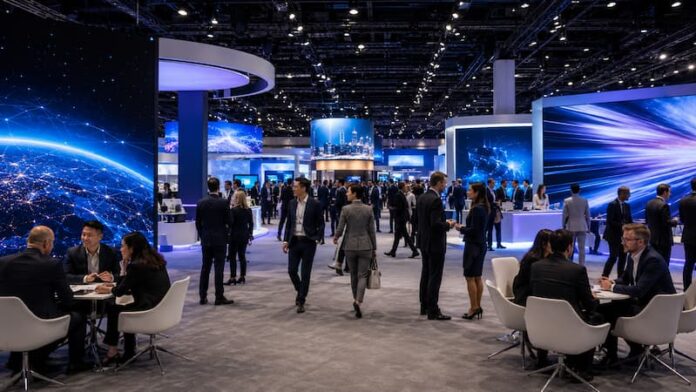
Coex’s late-June calendar offers a useful snapshot of how wide the MICE spectrum has become. The Korea Import Fair connects overseas products with Korean distribution and consumer markets. The Land, Infrastructure and Transport Technology Fair brings construction, mobility, urban technology and public-sector networks into the exhibition hall. The Seoul International Book Fair links publishing, content, copyright, reading culture and international exchange. Design and lifestyle shows such as The Maison and premium textile-related events connect brands, buyers and consumers through physical experience.
These events belong to different industries, but they share one important feature. They are not just exhibitions. They combine business meetings, product discovery, branding, content, media exposure and consumer response. The exhibition hall is becoming a live marketplace where industries test demand, build networks and create commercial momentum.
The future competitiveness of an exhibition venue will not be measured only by how many booths it can sell. It will depend on how precisely it can bring together decision-makers, buyers, media, brands, distributors and consumers. In that sense, Coex’s current lineup shows that exhibitions are becoming industrial showrooms and market-testing platforms at the same time.
■ KME 2026 at Coex Magok Tests a New MICE Axis for Seoul
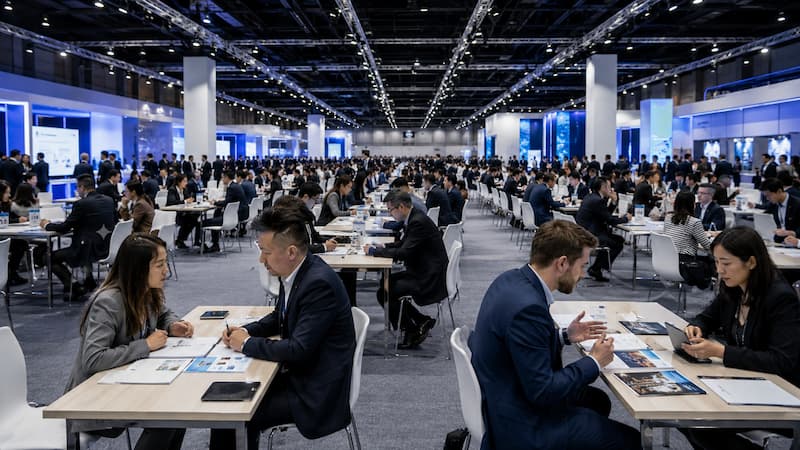
KME 2026, scheduled to take place at Coex Magok, is another important signal. Korea MICE Expo is the country’s representative MICE marketplace, bringing together destinations, venues, service providers, institutions and buyers. It is not simply an industry gathering. It is one of the most important sales floors for Korea’s MICE sector.
The choice of Coex Magok matters. Magok offers a different MICE geography from the traditional Gangnam-centered axis. It is closer to the airport corridor, surrounded by corporate demand, research facilities and industrial clusters, and positioned as a business hub in western Seoul. This gives Korea an opportunity to show that MICE growth does not have to remain concentrated around conventional downtown convention districts.
The task for KME is also becoming clearer. It should not simply gather exhibitors. It must connect actual decision-makers: meeting planners, incentive buyers, association executives, PCOs, DMCs, venues, hotels, airlines and city marketing organizations. If Korea wants KME to grow into a more powerful international marketplace, it must function as a carefully designed hosted-buyer platform, not just as a domestic industry fair.
■ Convention Support Is Moving Toward Operational Quality
Korea’s international convention support system is also shifting. The direction is no longer only about the number of delegates or the scale of foreign participation. More attention is being placed on the quality of event operations.
The inclusion of factors such as standard contracts for international convention services, non-metropolitan hosting, ESG operating guidelines, MICE safety manuals, and UIA or ICCA-registered meetings shows where policy is heading. Korea’s MICE policy is moving from quantitative attraction toward operational standards, sustainability, safety management and regional distribution.
This matters for regional MICE cities. Additional consideration for events held outside the Seoul metropolitan area gives regional convention bureaus and local governments a stronger basis for international bidding. But support systems alone will not create strong regional MICE destinations. A city must package its venues, hotels, transport, food and beverage, post-tour programs, safety systems and on-site operations into one coherent destination product.
An international convention is no longer limited to what happens inside the meeting room. It includes bidding, promotion, registration, delegate management, ESG planning, safety, on-site operations, reporting and legacy. The changing support framework is a reminder that MICE should be seen not as event funding, but as the strengthening of an operating system.
■ MICE Keyword: Co-located Show
This week’s keyword is “co-located show.”
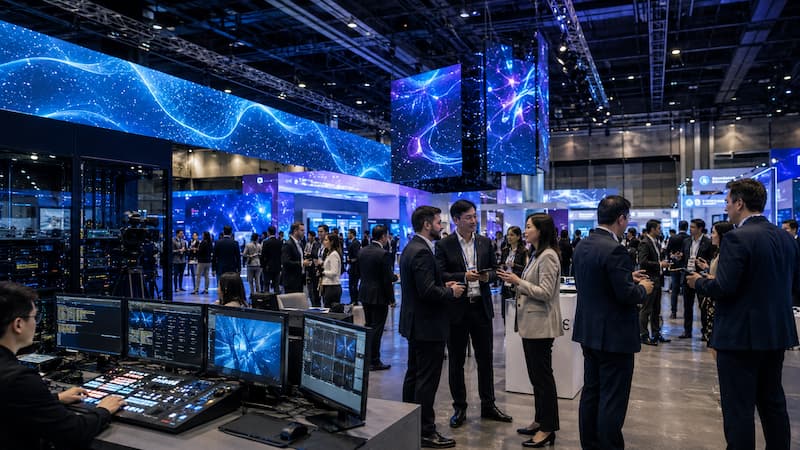
A co-located show is a structure in which related exhibitions, conferences or business events are held at the same venue or during the same period. The goal is not simply to place several events side by side. The real value comes from designing intersections between audiences, buyers, industries and content.
The Meetings Show in London offers a useful example because it is held alongside Business Travel Show Europe and TravelTech Show. MICE, business travel and travel technology may appear to be separate sectors, but in the field they are increasingly connected. A corporate travel manager may also influence meetings and incentives. An event planner may need technology solutions. A venue or hotel may want to meet both buyers and digital service providers.
Korean MICE events should pay attention to this model. If MICE stays only inside the MICE sector, its market becomes too narrow. Business travel, tourism, hotels, airlines, technology, local content, ESG, safety, data and destination marketing should be connected. The next generation of MICE exhibitions will not be single-category events. They will be platforms for connected industries.
■ Global MICE Exhibition: The Meetings Show 2026, London
This week’s global exhibition to watch is The Meetings Show 2026 in London. It is one of the United Kingdom’s key trade shows for meetings, events and incentives. Its importance lies not only in its scale, but in the way it connects meetings, venues, business travel and travel technology.
Today’s MICE buyers do not look at meeting rooms alone. Corporate meeting planners consider travel budgets, air access, hotels, delegate movement, event technology and participant experience together. Incentive planners look at destination appeal, safety, program design, ground operations and emotional impact. Association organizers need venue quality, accessibility, registration systems, interpretation, hybrid capacity and reliable local partners.
That is why a modern MICE trade show must become more than a place for appointments. It must be a place where decision-makers can compare the full chain of event delivery.
For Korea, The Meetings Show offers a clear lesson. Korea should not present MICE as a stand-alone category. It should connect MICE with business travel, tourism, hotels, airlines, technology, content and city operations. Only then can overseas buyers understand what is truly possible when they choose Korea.
■ Global MICE Watch: AIPC Annual Conference 2026, Bilbao
Another important global signal comes from the AIPC Annual Conference 2026 in Bilbao. AIPC brings together leaders of convention centers around the world, and this year’s discussion around innovation, people and community reflects the changing role of convention venues.
A convention center is no longer just a rental facility with halls and meeting rooms. It is a platform responsible for safety, technology, ESG, community relations, visitor experience, staffing, city branding and economic impact. A good convention center helps organizers build better events, helps delegates experience the city, and helps the local economy capture real spending.
Bilbao is a meaningful location for that conversation. The city is often cited as a case of urban transformation from an industrial city into a cultural and visitor economy destination. For MICE leaders, Bilbao raises an important question: how can convention infrastructure become part of a city’s identity, regeneration and future competitiveness?
Korean regional MICE cities should take this seriously. The question is not whether a city has built a convention center. The real question is whether that center is connected to the city’s industries, culture, transport, hotels, night-time economy, tourism programs and local community. Without that connection, a venue remains a building. With it, the venue becomes part of the city’s operating system.
■ Travel News Market View
This week’s keyword for the Korean MICE market is operating system.
Coex’s late-June exhibition lineup shows that exhibition halls are becoming intersections of industry, content and commerce. KME 2026 at Coex Magok points to a broader MICE geography for Seoul, linked to airports, companies and research clusters. Korea’s international convention support framework indicates that policy is moving toward operational quality, ESG, safety and regional distribution.
The global market is moving in the same direction. The Meetings Show in London connects MICE with business travel and travel technology. The AIPC Annual Conference in Bilbao redefines convention centers as platforms for city operations, innovation and community value.
The conclusion is clear. MICE is not a venue business. It is a high-value operating industry that brings people together, connects industries, designs city time, supports business exchange, and turns events into travel, consumption and long-term relationships.
The competitive MICE city of the future will not be the city with the most meeting rooms. It will be the city that can operate the entire journey: arrival, accommodation, meetings, exhibitions, networking, food, transport, safety, post-tours, data and follow-up.
MICE does not end in the meeting room. It becomes an industry only when the whole city functions as an operating platform.
여행레저신문 Copyrights ⓒ The Travel News. 무단전재 및 재배포 금지.