
Korean street food has gained popularity worldwide for its unique flavors and affordable prices. Street vendors can be found on nearly every corner in Korean cities, offering a wide variety of snacks and meals that are both delicious and convenient. From the iconic tteokbokki to crispy hotteok, Korean street food is a must-try for any traveler visiting Korea.
Hygiene is always a concern when it comes to street food. However, in Korea, street food vendors are required to follow strict health and safety regulations to ensure the quality of their products. The government regularly inspects food stalls and enforces penalties for those who do not comply with the regulations. While it is still important to exercise caution when choosing where to eat, Korean street food is generally considered safe and reliable.
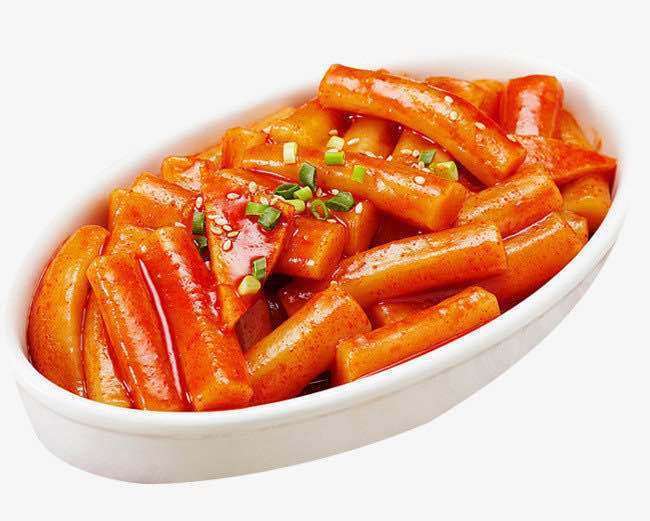 Tteokbokki is one of the most popular street foods in Korea. It is a spicy stir-fried rice cake dish that is both savory and slightly sweet. Tteokbokki is usually made with gochujang (red pepper paste), fish cake, and scallions. The chewy texture of the rice cakes combined with the spicy sauce creates a unique flavor and texture that is irresistible. Tteokbokki is typically served in a paper cup or bowl and can be enjoyed while standing or walking. It typically costs around 3,000 to 4,000 KRW ($2.50 to $3.50 USD).
 Hotteok is a sweet Korean pancake filled with brown sugar, honey, and cinnamon. It is often sold during the winter months and is a popular snack to warm up with on a cold day. Hotteok is made by kneading flour, water, and yeast together to make the dough. The dough is then filled with the sweet filling and fried until golden brown. The result is a crispy, sweet, and gooey treat that is sure to satisfy any sweet tooth. Hotteok typically costs around 1,500 to 2,000 KRW ($1.25 to $1.75 USD).
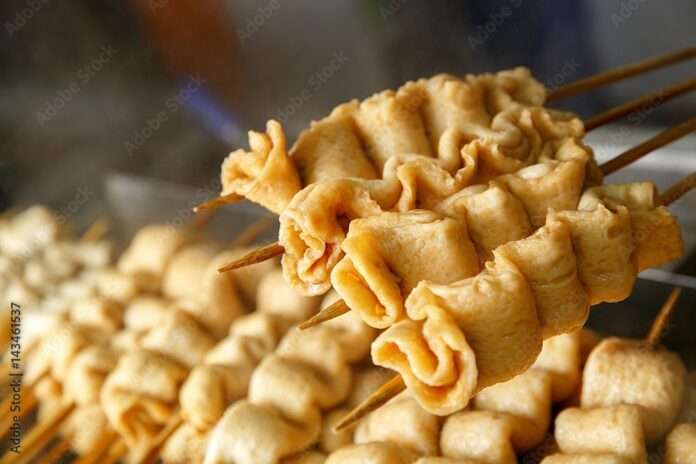
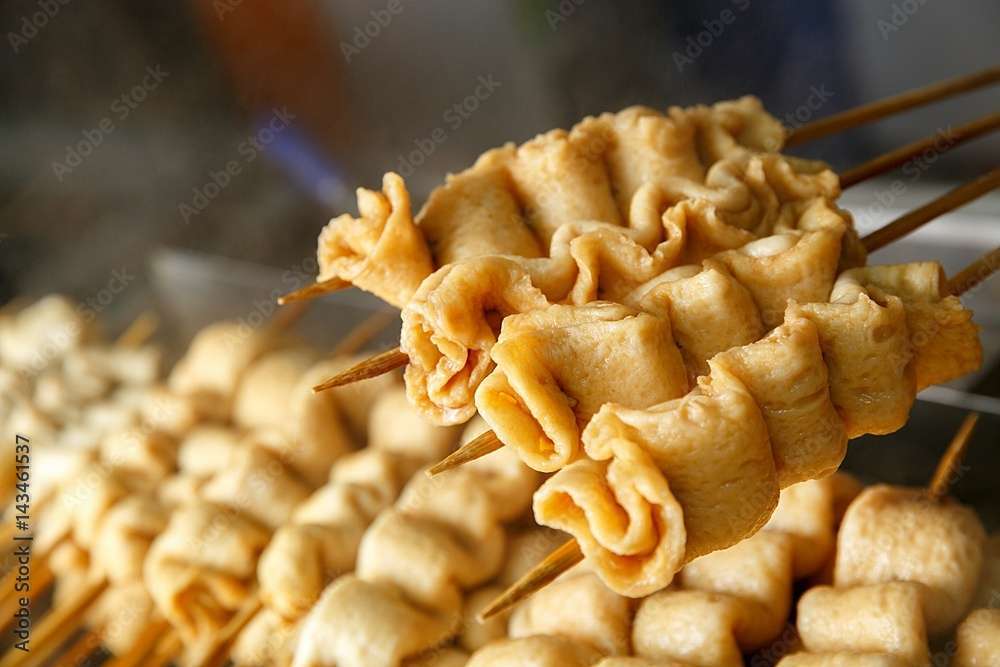 Odeng is a popular street food that is made with fish cake skewers cooked in a savory broth. The fish cake is made from white fish and flour and is sliced into thin pieces before being skewered and boiled in the broth. The broth is usually made with dashi (fish stock) and a variety of seasonings, including soy sauce, garlic, and ginger. Odeng is a warm and filling snack that is perfect for chilly days. It typically costs around 500 to 1,000 KRW ($0.50 to $0.85 USD) per skewer.
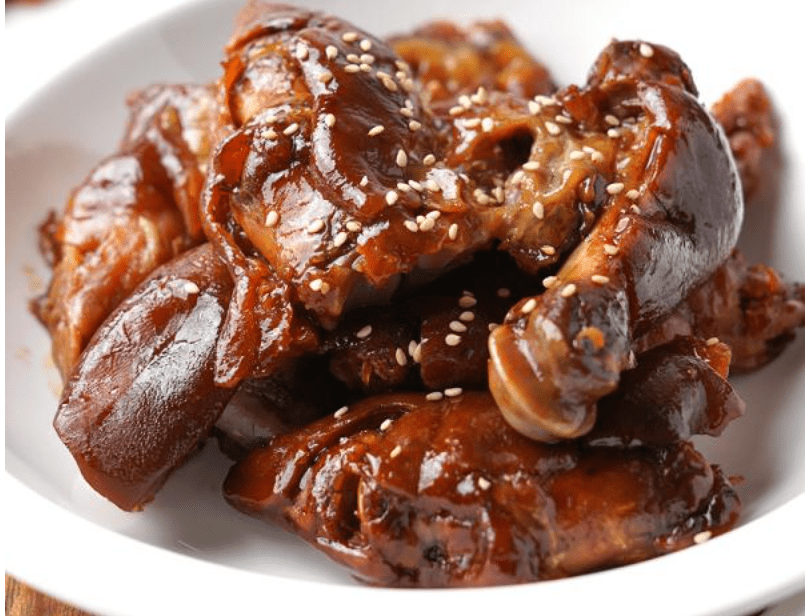 Jokbal is a traditional Korean dish made with pig’s feet that has become a popular street food. The pig’s feet are simmered in a soy sauce-based broth with garlic, ginger, and other seasonings until they are tender and flavorful. The meat is then sliced into small pieces and served with fresh vegetables and a dipping sauce. Jokbal is a hearty and savory snack that is perfect for those who love meat dishes. It typically costs around 10,000 to 15,000 KRW ($8.50 to $12.75 USD) per serving.
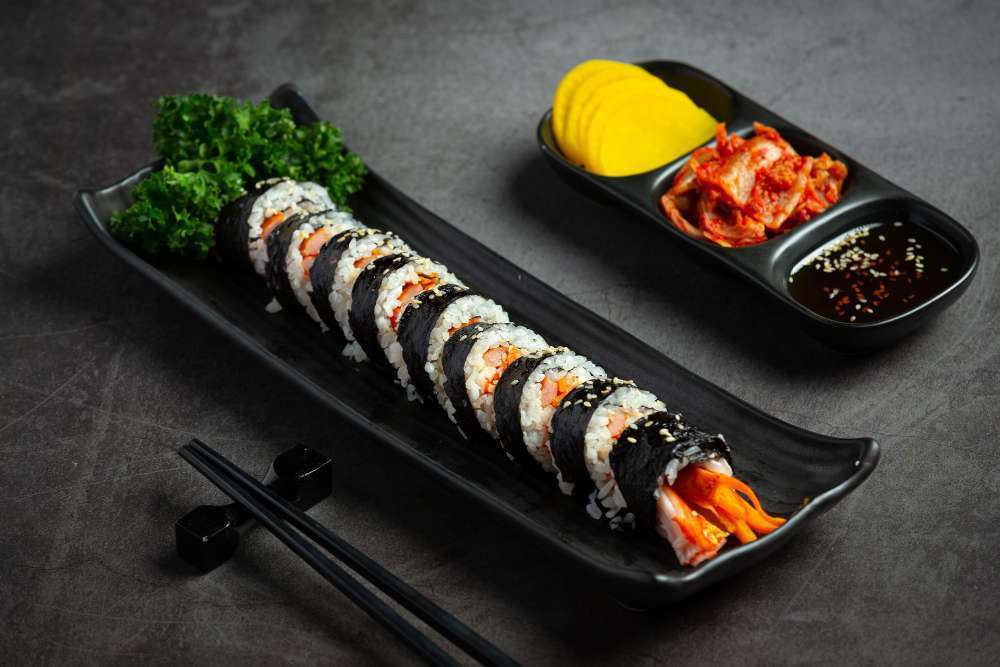 Gimbap is a Korean version of sushi that is made with cooked rice and various fillings, such as vegetables, egg, and meat. The ingredients are rolled in sheets of seaweed and cut into bite-sized pieces. Gimbap is a convenient and healthy snack that can be eaten on the go. It is often sold in plastic wrap or paper bags, making it easy to carry around while exploring the city. It typically costs around 1,500 to 3,000 KRW ($1.25 to $2.50 USD
In conclusion, Korean street food offers a unique and flavorful culinary experience for travelers visiting Korea. With a wide variety of options ranging from savory tteokbokki to sweet hotteok, there is something for everyone to enjoy. Despite concerns about hygiene, street food vendors in Korea are subject to strict health and safety regulations enforced by the government, ensuring the quality and safety of their products. Not only is Korean street food delicious, but it is also affordable, making it a great option for budget-conscious travelers. So the next time you’re exploring the streets of Korea, be sure to try some of the mouth-watering street food and immerse yourself in the local culinary culture.
By Jungchan Lee/Korea Travel News
여행레저신문 Copyrights ⓒ The Travel News. 무단전재 및 재배포 금지.