
이만재 기자 ㅣ 여행레저신문
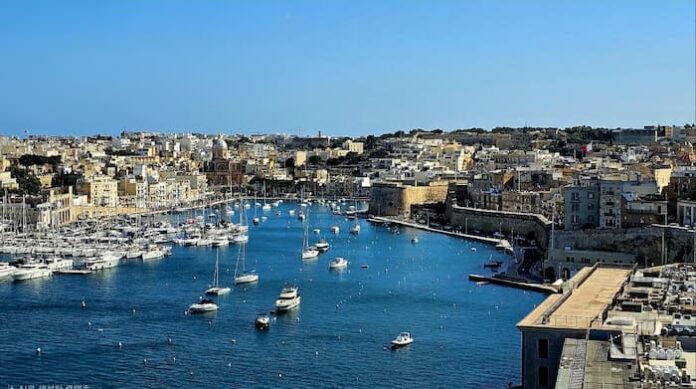
Malta is a small island, but it has never carried a small history. Seen from the sea, its limestone cities rise with a confidence that feels almost disproportionate to the size of the land itself. Harbour walls, bastions and domes stand above the water as if they were built not simply to defend a place, but to hold together a long and restless memory.
This is what makes Malta’s military heritage so compelling as a journey. It is not a narrow itinerary of cannons, armour and old war rooms. It is a way of reading the island itself. The story begins with geography, with a nation set in the middle of the Mediterranean, close enough to Europe, North Africa and the routes of empire to become valuable to almost everyone who sailed past it.
In Malta, the sea was never only a view. It brought trade, faith, language, soldiers, fleets and flags. It made the island open in every direction, and because of that openness Malta had to learn how to watch, absorb, resist and survive. Its military heritage is not merely a record of battles. It is the visible form of an island learning how to live with exposure.
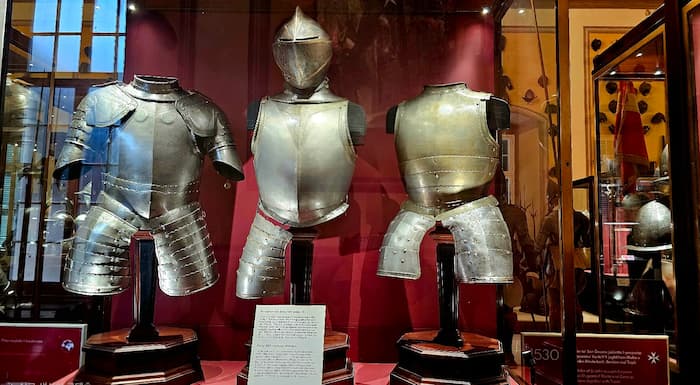
The Knights of St John gave that exposure an architecture. Their armouries, fortifications and ceremonial military culture still shape the way visitors understand Malta today. Armour that might have been a tool of fear on a battlefield now appears behind glass, polished by conservation and time, allowing visitors to consider both the brutality and the sophistication of an age when faith, medicine, war and sea power were bound together.
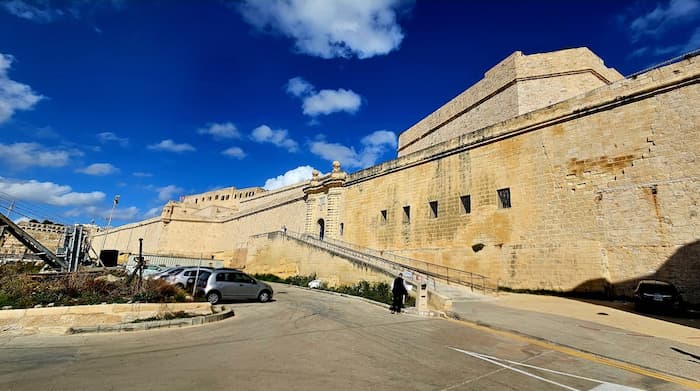
Fort St Angelo remains one of the great places to feel that history in the body rather than simply read it. At Grand Harbour, stone is never just stone. The walls face the water, the water reflects the city, and the city seems to hold the memory of all those who tried to enter, command or defend this harbour. A visitor may arrive with a camera, but the place asks for more than a photograph.
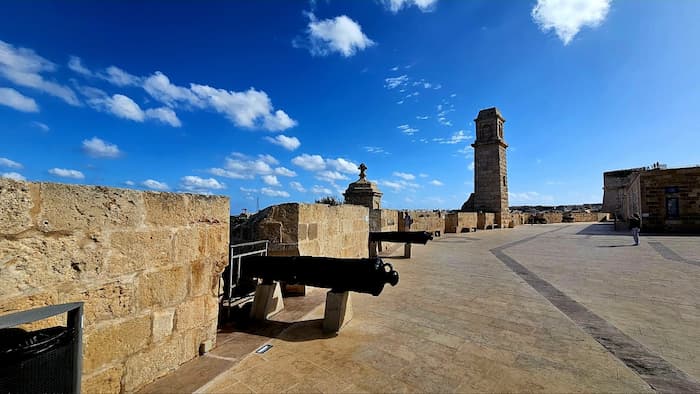
What makes Malta especially strong as a military heritage destination is the way the journey moves across time without losing its rhythm. The story does not stop with the Knights, nor with the Great Siege, nor with Napoleon’s brief occupation. It continues into the British period, the Second World War, underground command rooms, air-raid shelters and aircraft restoration workshops. The island does not present war as a single chapter. It presents it as a sequence of pressures that shaped the island’s character.
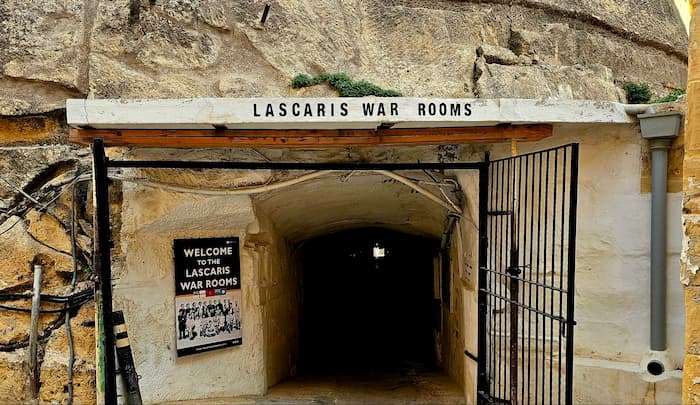
Lascaris War Rooms shift the experience underground. After the glare of the harbour and the openness of the sea, the low corridors and operational spaces change the emotional temperature of the journey. Here, Malta is not simply a fortress under attack. It is a command point, a place where information moved, decisions were made and the Mediterranean war was watched from beneath the city.
The Malta at War Museum and its shelters add another layer. If the war rooms belong to the officers, maps and communications, the shelters belong to ordinary people. They remind visitors that war is not only a matter of strategy. It enters sleep, hunger, fear, family life and the narrow passages where people wait for the sky to grow quiet again.
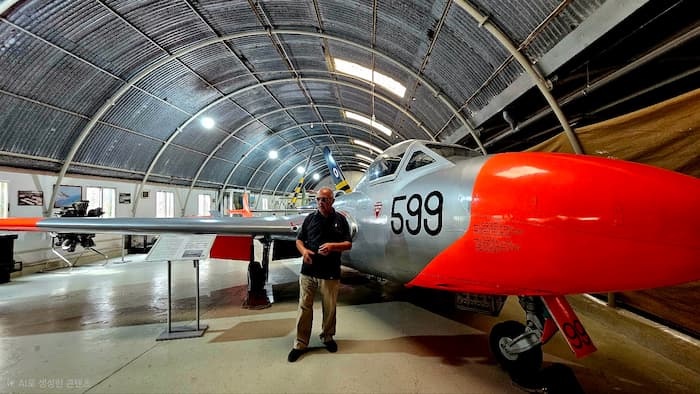
At the Malta Aviation Museum, memory rises back into the air. Aircraft, drawings, fragments, workshops and restoration projects show a different kind of commitment. Malta does not simply display its past as if it were complete. It keeps working on it. The act of restoration becomes part of the story, a sign that memory requires labour, expertise and responsibility.
The most impressive part of the Military FAM experience was not only the quality of the sites, but the way the itinerary was shaped. Malta Tourism Authority did not let military heritage become heavy for the sake of heaviness. The programme moved from fortifications to museums, from underground rooms to harbour views, from wartime memory to food, wine and boutique hospitality. That balance mattered.
A strong heritage itinerary needs room to breathe. Malta understands this well. A fortress visit can be followed by a waterfront meal. A war room can be followed by a glass of local wine. A day spent listening to stories of siege, bombing and occupation can end in a small hotel whose architecture keeps the traveller within the texture of the island. The result is not a softened history, but a more human one.
For Korean travellers and travel professionals, Malta offers a particularly meaningful case. Korea knows what it means to live with war memory in the present. Malta, too, carries invasion, occupation and bombing in its modern identity, yet it presents those memories with calm confidence. The island does not erase the past, but neither does it trap the visitor inside resentment. It opens the past to interpretation.
That may be Malta’s greatest strength. It has turned military heritage into a travel experience without reducing war to spectacle. It has preserved stone, tunnels, aircraft and armour, but it has also preserved atmosphere, proportion and dignity. A visitor leaves with the sense that Malta is not merely showing what happened here. It is showing how a small island learned to endure, remember and welcome the world back.
여행레저신문 Copyrights ⓒ The Travel News. 무단전재 및 재배포 금지.