
이가온 기자 ㅣ 여행레저신문
Malta did not open itself to the sea. It was simply born there. Surrounded on every side by water, the island could be approached from almost any direction, and in an age when ships carried soldiers as easily as merchants, that geography was both a gift and a danger.
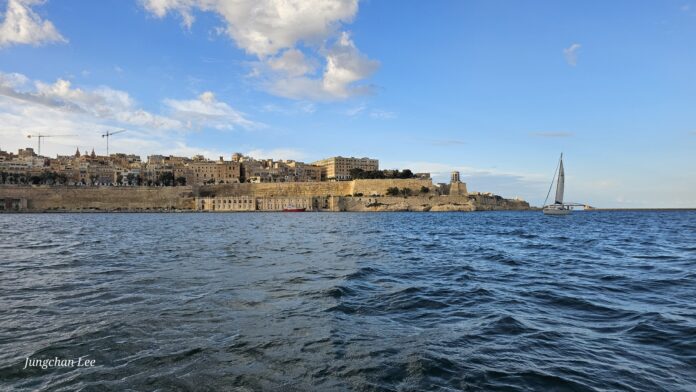
From the water, Grand Harbour makes this truth easy to feel. The limestone city appears in layers, warm in the sun, with bastions and domes rising above the blue. To today’s traveller it is one of the Mediterranean’s great views. To those who once crossed the sea with ambition, it must have looked like something else entirely: a harbour to enter, a wall to challenge, a prize that would not be easy to keep.
Napoleon’s forces came to Malta in 1798 on the way to Egypt. The island did not meet them with a great opening battle. Malta opened its doors, and the French entered. That point matters, because it prevents the story from becoming too simple. Malta was not a place that only resisted from behind walls. Its history is more layered than that, shaped by arrival as much as by defence.
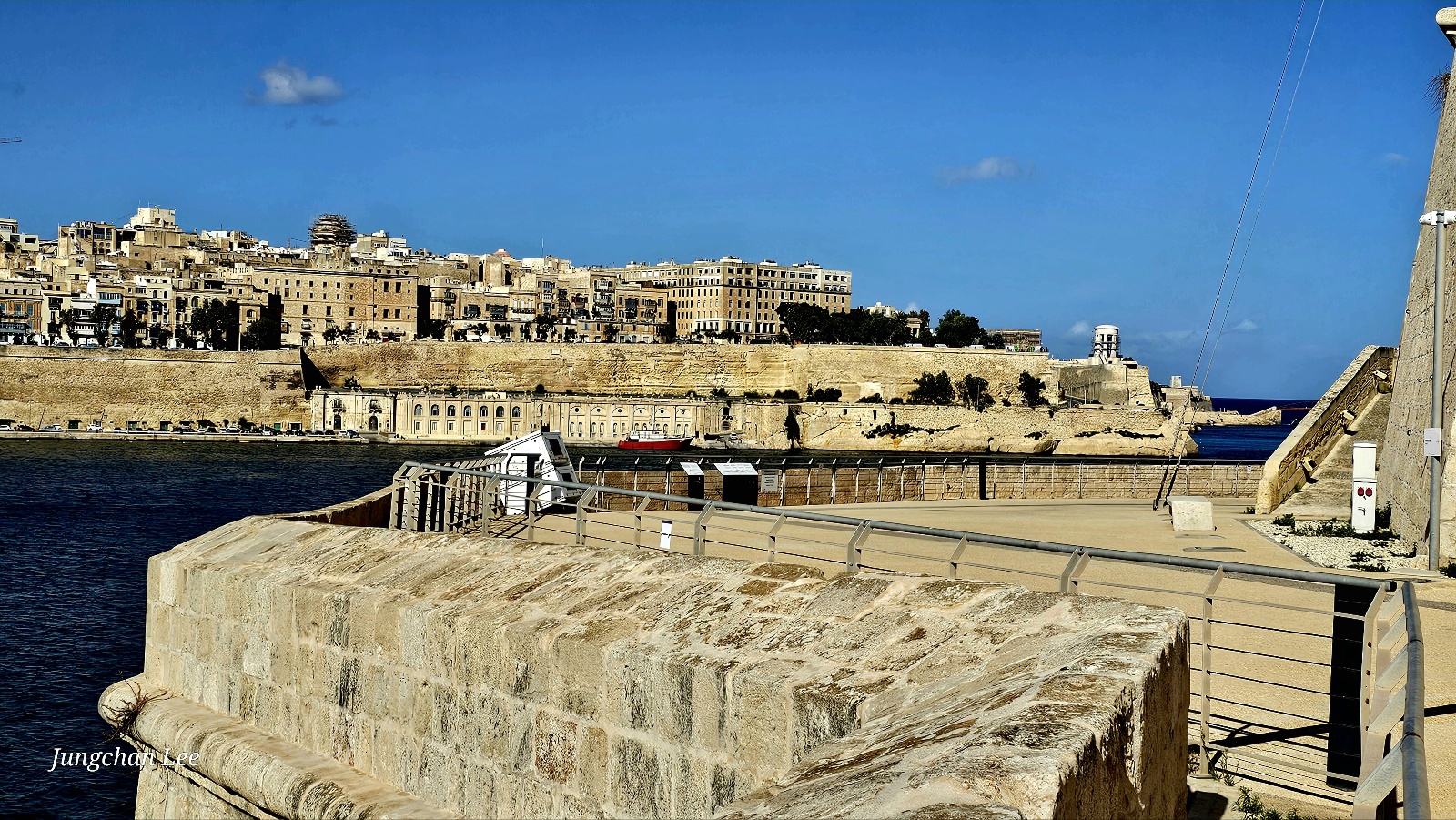
Yet entering Malta and holding Malta were different things. French rule soon collided with local life, property, faith and habit. What had begun as occupation became a cause for resistance. People who had not met the arrival with a dramatic battle began to gather around a different purpose, and the French forces found themselves confined within the fortified world of Valletta and Grand Harbour.
In the wider history of Europe, Napoleon is a name associated with speed, power and conquest. In Malta, his name carries a different echo. The French arrived, but they did not remain. The island accepted the fact of arrival, then revealed that possession was not the same as belonging.
This is where Malta becomes more interesting than a conventional fortress story. The island was not only a place that pushed outsiders away. Over the centuries, people came from elsewhere and stayed. Knights, sailors, merchants, soldiers, craftsmen and officials entered under different flags and in different languages. Some came as protectors, some as rulers, some as workers or survivors.
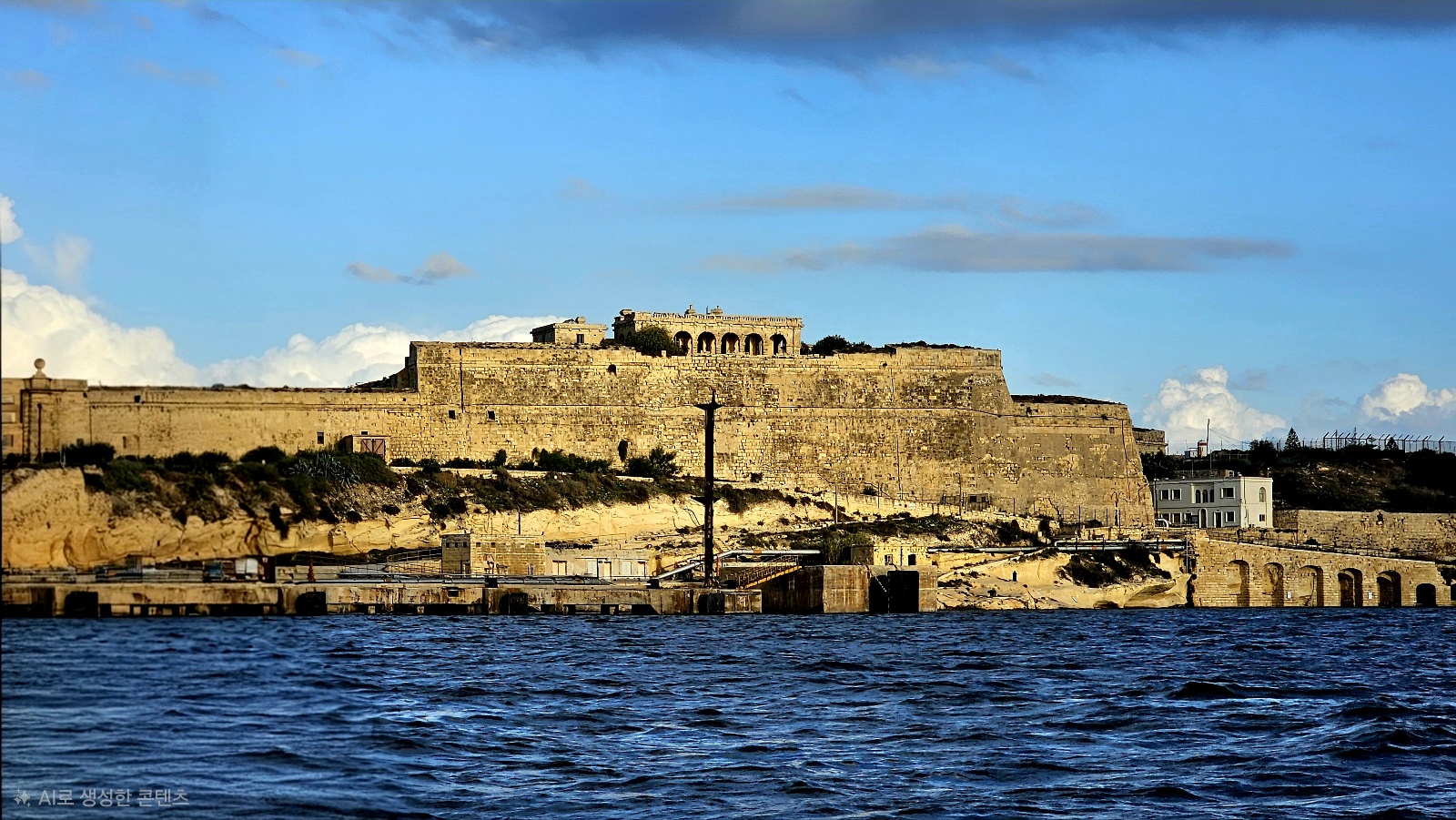
Time changed them. Those who remained were absorbed into the rhythm of the harbour, the language of the streets, the habits of the villages and the shared anxieties of the island. Yesterday’s outsider could become today’s neighbour, and a foreign presence from one period could become part of Malta’s identity in another. The Knights of St John themselves were once outsiders, yet they are now inseparable from the way Malta understands its past.
That is the deeper Maltese pattern. People arrived, clashed, stayed, mingled and eventually stood within the island’s story. The next danger did not always divide people by old origins. It often gathered them under the more immediate fact of Malta itself. This is not a pure or simple history, but it is a human one.
Seen from a boat entering Grand Harbour, that complexity becomes visible. The walls are strong, but they do not feel lifeless. They stand above a harbour where people work, eat, walk and take photographs. The same water that once carried fleets now carries visitors. The same stone that watched for enemies now appears in the background of dinners, conversations and holiday pictures.
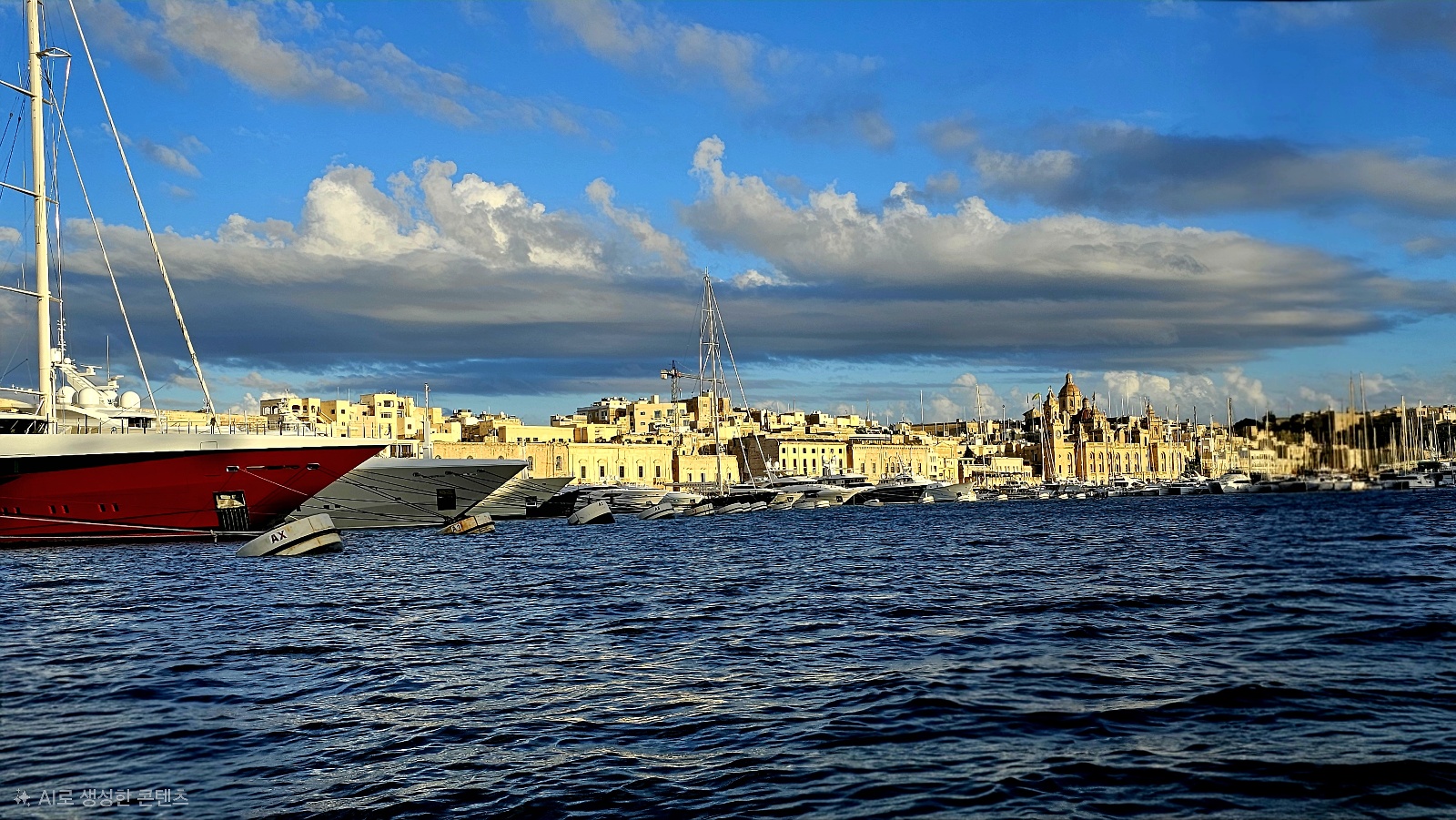
Modern Malta is especially striking because the descendants of old rival nations return without the old hostility. French, Italian, German and British visitors walk the same harbour, visit the same museums and sit at the same tables. They listen to stories of conflict, occupation, siege and bombing, and then continue into the present with an ease that does not feel like forgetfulness.
That attitude deserves attention, especially from a Korean perspective. Korea also carries the twentieth century in its public memory, and for Koreans the past is often not past at all. Colonial rule, war and division remain emotionally close. Malta does not offer a simple answer to such memories, but it does show another way of carrying them.
The island has not erased conflict. It has preserved fortifications, museums, war rooms, shelters and aircraft. It has named the difficult places and kept them open to visitors. Yet it does not force every encounter with the past into present-day resentment. The past is remembered, explained and placed within the life of the island.
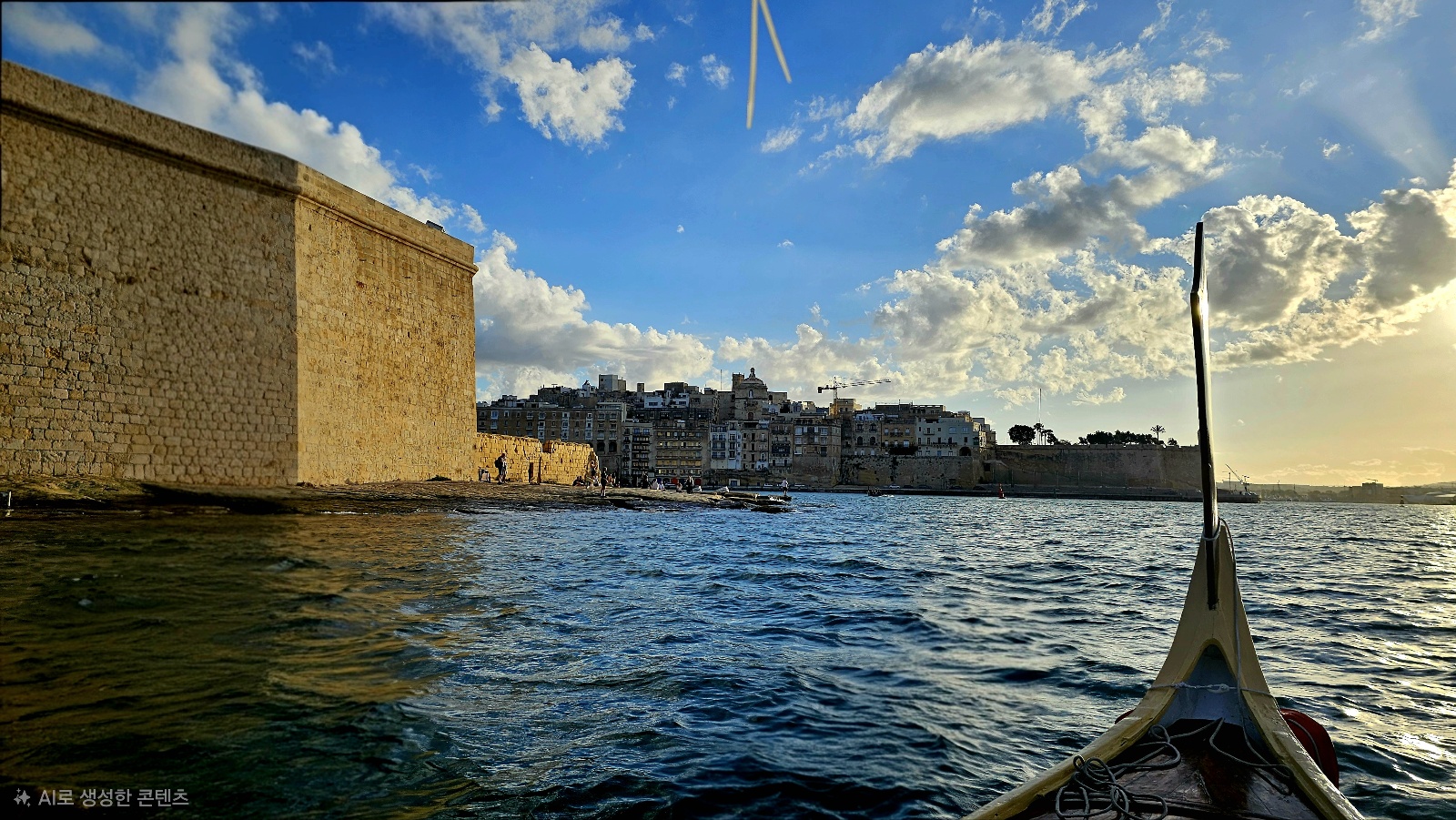
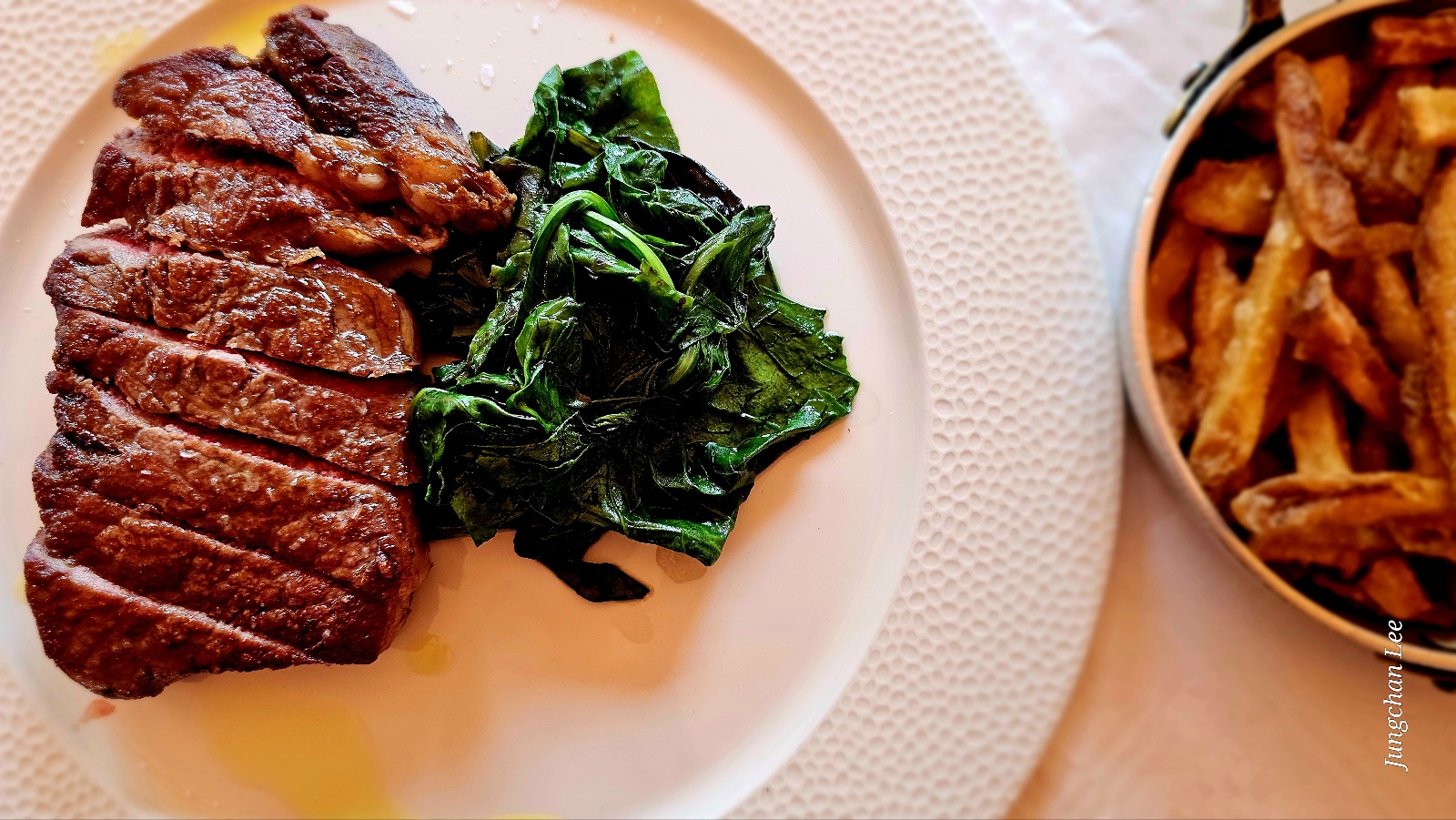
The Military FAM experience made this especially clear. Grand Harbour was not presented only as a strategic target. It was also a living harbour. A journey through military memory could end at a restaurant table, where food, wine and conversation softened the day without denying what had been learned. Malta’s history remained in view, but it did not swallow the present.
This balance is not accidental. Malta’s great strength as a destination is that it allows history to remain visible while letting life continue around it. A fortress wall can be a military structure and a beautiful viewpoint. A harbour can be a strategic prize and a place for dinner. A former enemy can return as a traveller. None of these meanings cancels the others.
The island even Napoleon could not hold is not powerful because it rejected everyone forever. It is powerful because it outlasted those who tried to claim it, absorbed those who stayed, and welcomed back the world without surrendering its memory. Malta’s military heritage is therefore not only a story of resistance. It is a story of time, adaptation and hospitality.
At Grand Harbour, this becomes almost visible in the light. The sea is still open on every side, as it always was. People still arrive by water and air, carrying different languages and memories. What has changed is not the geography, but the meaning of arrival. Once they came with flags. Now they come with luggage, cameras and curiosity. Malta receives them with history still standing in stone.
여행레저신문 Copyrights ⓒ The Travel News. 무단전재 및 재배포 금지.