
강정호 기자 ㅣ 여행레저신문
The final chapter of Malta’s military heritage journey begins by going underground. After the sea-facing walls of Fort St Angelo and the open drama of Grand Harbour, Lascaris War Rooms and the wartime shelters change the atmosphere completely. Above ground, Malta is bright with stone and sea. Below, the corridors narrow, the light falls away, and war becomes something felt in the body rather than observed from a distance.
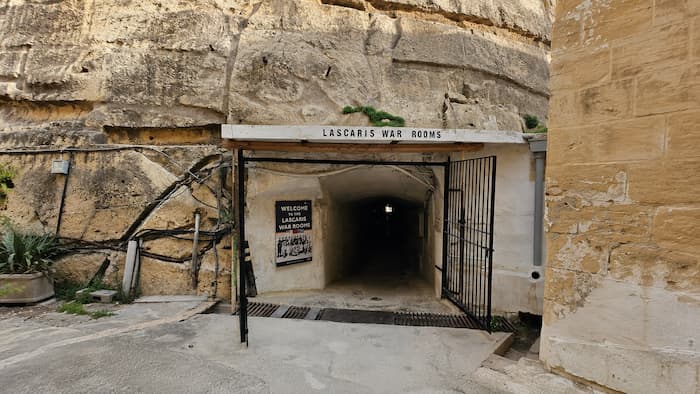
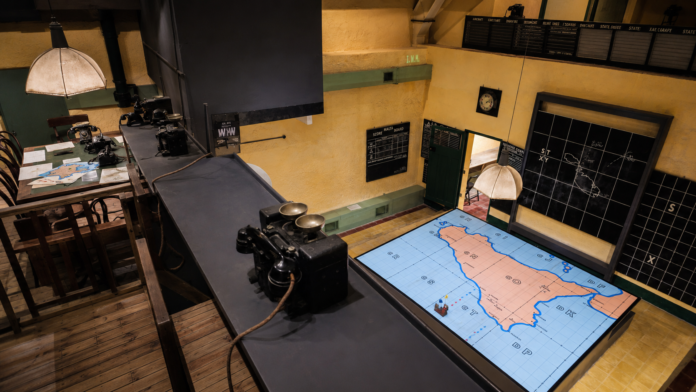
Lascaris War Rooms show that Malta was not only an island under attack during the Second World War. It was also a place from which the Mediterranean war was watched, mapped and directed. In these rooms, information from the air and sea was gathered, interpreted and passed on. The war outside was vast, but inside the rooms it became lines, positions, telephones, maps and decisions.
The map room holds attention because it turns strategy into an almost physical presence. To a visitor today, the markings and tables may first appear as museum details, but in wartime they were connected to aircraft movement, ship positions and the survival of supply routes. Malta may have looked small on a map, yet its position made it impossible to ignore.
That location explains much of Malta’s suffering and importance. The island was exposed from the sea and from the air. It had to endure bombardment, pressure on supplies and the strain of being both a target and a strategic asset. Walking through Lascaris War Rooms, one begins to understand that Malta’s wartime story was not simply about being bombed. It was about being necessary.
Yet Lascaris War Rooms tell only one side of the war. This is the war of command, communications and calculation. It belongs to officers, operators, maps and signals. It shows how decisions were made, but it cannot by itself show what it meant for families living beneath the same sky.
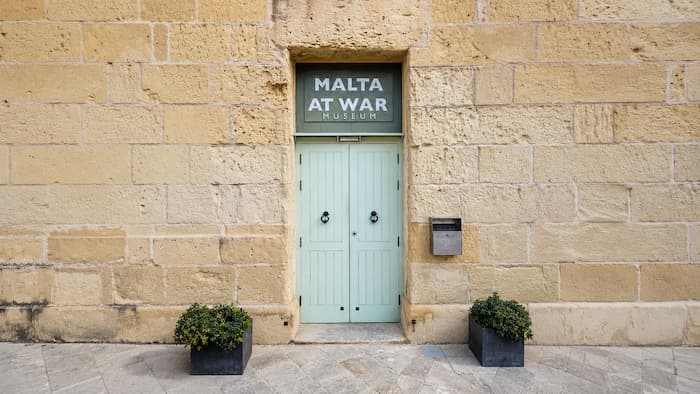
That is why the movement from Lascaris War Rooms to Malta at War Museum and the air-raid shelters matters. If the war rooms ask visitors to look at war from above, the shelters ask them to enter it from below. The change is emotional as much as spatial. Strategy gives way to waiting. Information gives way to fear. The wide theatre of war narrows into a corridor where people hoped the next explosion would not be theirs.
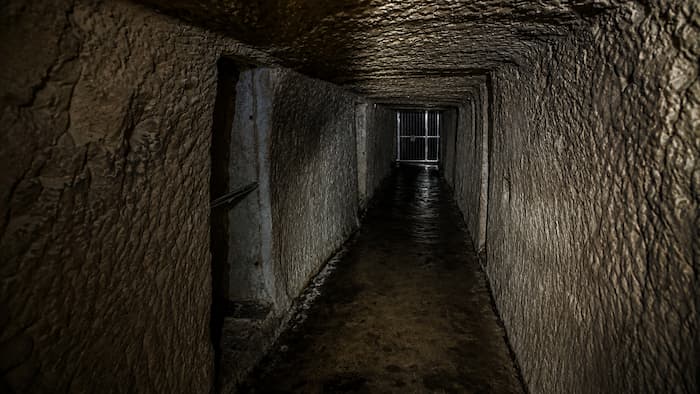
The shelters are difficult to forget. The passages are low, rough and close. The air feels heavier than the air outside, and the carved walls make it easy to imagine how long the hours must have felt when the raids continued. Someone would have tried to sleep here. Someone would have comforted a child here. Someone would have waited without knowing whether a home, a church or a street above them would still be standing when they emerged.
This is where Malta’s World War II memory becomes most human. The island has records of endurance, pride and strategic importance, but the shelters reduce the story to the scale of ordinary life. War enters breath, sleep, hunger and fear. It enters the distance between a mother and child in the dark, the sound above ground and the silence afterward.
The contrast between Lascaris War Rooms and the shelters gives the journey its depth. One space commanded the war. The other endured it. One used maps and communication boards. The other held bodies waiting for the raids to pass. Seen together, they make Malta’s wartime experience more complete, not as a single heroic narrative, but as a layered story of command, fear, discipline and survival.
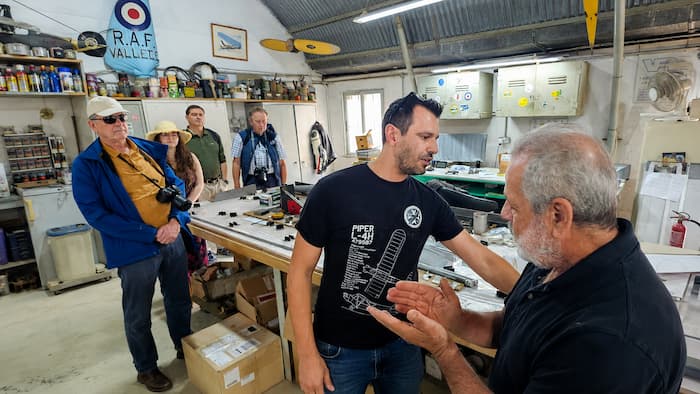
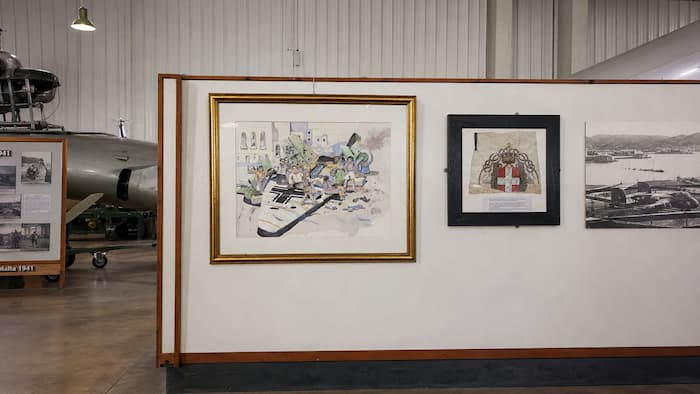
The journey then rises back toward the sky at the Malta Aviation Museum. It would be easy for an aviation museum to become a simple display of machines, but Malta’s version feels more active than that. Aircraft, illustrations, parts, photographs and restoration work sit together, suggesting that the wartime sky is still being studied, repaired and explained.
The restoration workshop is especially important. Preservation is not a passive act here. It requires knowledge, labour, patience and judgment. Missing parts have to be understood, records checked, structures examined and materials treated. The aircraft may no longer fly, but the work around them keeps the memory from becoming inert.
At the aviation museum, the sky of wartime Malta becomes more than an abstract phrase. Bombers, fighters, fragments and drawings connect the underground shelters to the aircraft that once passed overhead. The people in the war rooms read the sky. The civilians in the shelters feared it. The museum restores and interprets what remains of it.
This is what made the final day of the Military FAM journey so effective. The itinerary did not simply list sites. It moved through levels of experience. From the surface to the underground command rooms, from command rooms to civilian shelters, from shelters to aviation restoration, the programme allowed Malta’s wartime memory to unfold in layers.
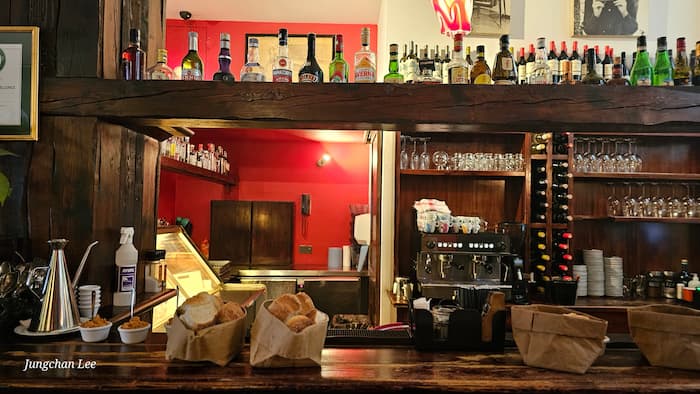
Equally important was what happened after the difficult sites. The journey did not end in darkness. After the war rooms, shelters and aircraft, the itinerary returned to people, conversation and a table. A wine dinner may sound like a pleasant ending, but in Malta it felt like part of the interpretation. It gave the traveller space to return from the past without abandoning it.
That balance is one of Malta’s great strengths. The island does not treat war as entertainment, yet it also does not make memory unbearable. It preserves the rooms, the corridors, the aircraft and the stories, then allows the visitor to return to the harbour, the meal and the present. The result is not a light treatment of history, but a humane one.
This final chapter also connects with the larger meaning of the four-part journey. Malta’s military heritage is not a list of battle sites. It begins with a fortress island, moves through the Knights of St John, passes through Napoleon’s brief occupation and Malta’s wider pattern of absorbing history, and ends with the relentless air raids of the Second World War.
For Korean readers, this final lesson matters. Korea also carries memories of occupation, war and division. Malta cannot be compared too simply with Korea, but it can offer a way of thinking. The island remembers bombing, siege and occupation without allowing those memories to become its only language.
In the end, Malta’s military heritage is powerful because it refuses to choose between memory and life. The war rooms remain. The shelters remain. Aircraft are restored. Stories are told. Yet outside, the sea is still blue, dinner is served, wine is poured and travellers continue to arrive from across Europe and beyond.
When one leaves Lascaris War Rooms and returns to the sun, the island feels different. The beauty is still there, but it has gained depth. The sea, the walls, the underground rooms and the evening table now belong to the same story. Malta has remembered the worst of its wartime past without letting the worst have the final word.
여행레저신문 Copyrights ⓒ The Travel News. 무단전재 및 재배포 금지.