
이만재 기자 ㅣ 여행레저신문
A Familiar City in a Changed Market
Hong Kong has long held a familiar place in the Korean outbound travel market. For many Korean travelers, the city meant shopping, dim sum, skyline views, hotels, nightlife, and the quick thrill of an international city only a short flight away. It was both a destination in its own right and a gateway to the wider Asian region.
That memory still exists. But the market around it has changed.
Korean travelers no longer choose destinations mainly through package brochures or travel agency counters. They compare airfares, read hotel reviews, watch short-form videos, search blogs, check OTA ratings, open maps, and increasingly ask AI tools to help shape their itineraries. A city is not chosen in one moment. It is chosen through a chain of small digital signals: a fare, a restaurant, a hotel deal, a saved map, a creator’s itinerary, and a friend’s post.
This is the market Hong Kong now has to face.
Why the Seoul and Busan Missions Mattered
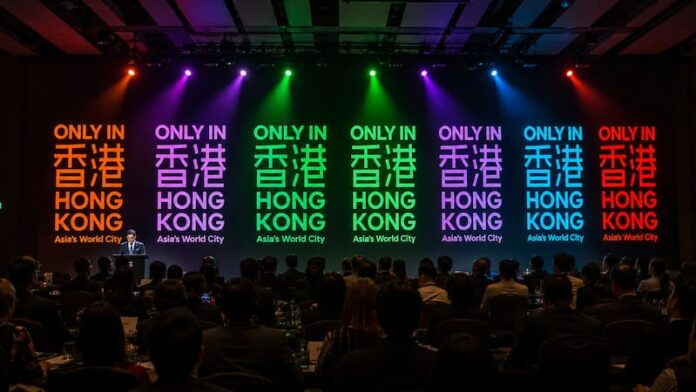
The Hong Kong Tourism Board’s 2026 travel missions in Seoul and Busan therefore deserve attention. The event brought Hong Kong hotels, attractions, and travel companies to Korea and created a direct meeting point with Korean travel agencies and industry partners.
The Seoul event gathered 38 Hong Kong sellers and more than 110 Korean travel trade participants, while HKTB also signed a memorandum of understanding with the Korea Association of Travel Agents. Holding events in both Seoul and Busan also suggested that Hong Kong is not looking only at the capital region but at the broader Korean outbound market.
As a trade event, it was meaningful. Korea’s travel industry may appear to be in recovery, but the reality on the ground is much harsher.
Korean Agencies Need Sellable Destinations
High fuel costs, a weak won, expensive hotels, and rising local expenses are putting pressure on both travelers and travel companies. Consumers are becoming more selective about where they spend their money. Travel agencies are caught between two dangers: raise product prices and lose demand, or suppress prices and lose margin.
For many Korean agencies, this is no longer a question of finding nice destinations. It is a question of survival. They need destinations they can actually sell.
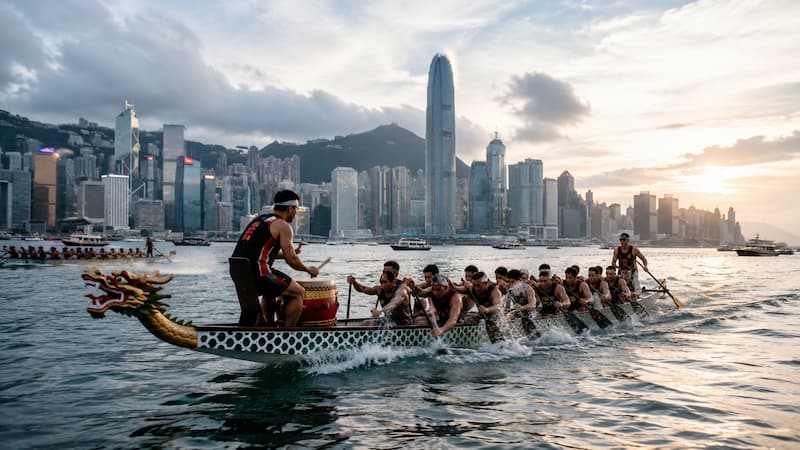
In that sense, Hong Kong’s roadshow was a positive signal. It showed that Hong Kong still values the Korean market, that it wants to meet the trade directly, and that it understands the importance of local partnerships. But the market no longer moves on goodwill alone. Korean travelers need a reason to choose Hong Kong again, and travel agencies need materials strong enough to turn that reason into products, promotions, and sales language.
Only in Hong Kong Is Not Yet a Strategy
The ‘Only in Hong Kong’ campaign is not a weak idea. On the contrary, the direction is right.
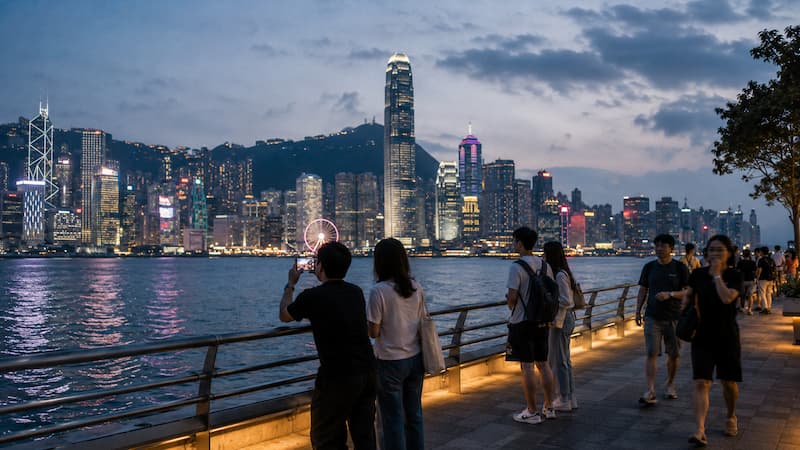
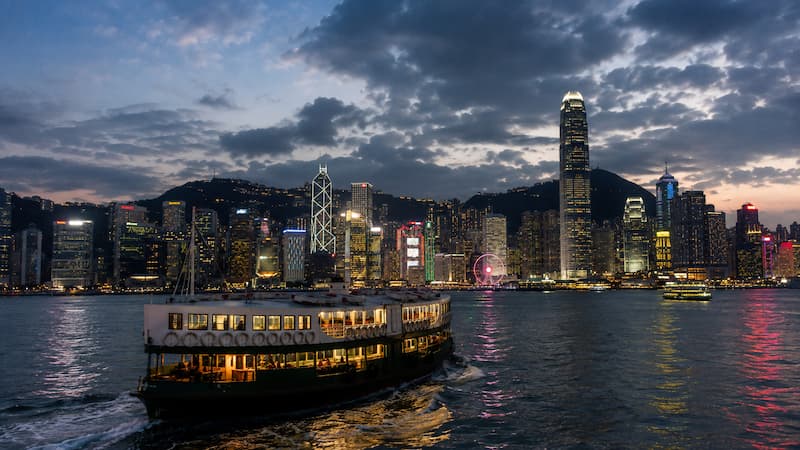
Hong Kong still has plenty to offer: Victoria Harbour, the Star Ferry, dim sum, cha chaan teng culture, Michelin dining, West Kowloon, art events, Hong Kong Sevens, Disneyland, Ocean Park, hiking trails, running routes, island escapes, and short extensions to Macau or Shenzhen. The city has more stories to tell now than in the old days when it was often reduced to shopping and night views.
But having many assets is not the same as having a market strategy.
This is where Hong Kong’s challenge begins. Korean FIT travelers do not respond simply to a long list of attractions. They respond to clear, usable reasons: a 48-hour weekend food trip, a family itinerary built around theme parks and hotels, a harbourfront running route, an art-and-bar weekend, a short Hong Kong-Macau extension, or a premium urban escape that fits into three nights and four days.
Hong Kong has the ingredients. What Korea needs is the menu.
Travel Agencies Need Tools, Not Brochures
The same applies to travel agencies. If Hong Kong wants the Korean trade to sell again, it must provide more than brochures and event presentations.
Agencies need Korean-language sales content, ready-to-use photos, short video materials, seasonal campaign ideas, co-op advertising plans, product templates, and booking-linked online pages. Food, family travel, art, nightlife, harbour experiences, island trips, and Macau or Shenzhen extensions must each be packaged with a clear target, price logic, season, and sales hook.
Without that, even a well-run roadshow risks becoming another industry gathering that everyone remembers politely and then moves on from.
This is not a problem unique to Hong Kong. Many tourism board events succeed in relationship-building but fail to show what happens after the event. There is a campaign. There are sellers. There are meetings. There are photos and speeches. But the harder question remains unanswered: how will this actually reach Korean consumers, and how will it convert into bookings?
A roadshow can open the door. It cannot be the whole strategy.
Hong Kong’s Advantage Is Also Its Burden
Hong Kong is not a new destination in Korea. That is both an advantage and a burden.
A new destination can begin by introducing its name. Hong Kong cannot. Korean travelers already know it, or think they know it. Many have been there before. Some still remember it as a shopping city. Others may see it as expensive, familiar, or no longer fresh enough.
For a mature destination, the task is not awareness. The task is renewal.
That requires sharper positioning. Where will Hong Kong advertise? What message will be repeated? Which segment will it target first: young FIT travelers, families, premium city-break travelers, food lovers, runners, MICE visitors, or repeat travelers looking for new districts? What will influencers actually show? What will YouTube and short-form content lead to? How will KATA cooperation become joint promotions, fam trips, seasonal campaigns, or agency support? Will the Busan event lead to real regional sales?
These are the questions that matter now.
Korea Is Waiting for Reasons That Survive Price Pressure
The Korean market is not waiting for another destination presentation. It is waiting for reasons that can survive price pressure.
Hong Kong still has strong cards. Food, skyline, culture, events, family attractions, harbour walks, urban energy, and regional extensions remain powerful. But strong cards do not play themselves. The city must make those cards visible, repeatable, searchable, bookable, and sellable.
The 2026 Hong Kong travel mission was a good event. It gave Korea’s travel trade a welcome signal and reminded the market that Hong Kong is still serious about Korea. But a good event is not the same as a strong market strategy.
If ‘Only in Hong Kong’ is to matter in Korea, it must move from the stage to the screen, from the screen to the product page, from the product page to the agency counter, and from there to real reservations.
The Roadshow Was a Start
Hong Kong can still be remembered as one of Asia’s great travel hubs. But the meaning of that hub has changed.
In the past, air links, shopping, and skyline views were enough to explain the city. In the FIT era, Hong Kong must give Korean travelers a sharper reason to choose it again.
The roadshow was a start. Now Hong Kong needs the harder part: execution.
The Travel News is a digital media platform covering travel, leisure, tourism, aviation, hotels, MICE, and the wider travel industry.
여행레저신문 Copyrights ⓒ The Travel News. 무단전재 및 재배포 금지.