
강정호 기자 ㅣ 여행레저신문
Greece arrived in Seoul with a clear message: the country hopes to be understood by Korean travellers not only through the familiar image of Santorini, but also through culture, gastronomy, aviation connectivity and richer travel experiences.
Held at Mondrian Seoul Itaewon, the tourism presentation brought together senior representatives from the Greek Embassy, the Greek National Tourism Organisation (GNTO), Athens International Airport and the Municipality of Santorini. The gathering reflected Greece’s growing intention to strengthen tourism ties with Korea, a market increasingly recognised for its sophisticated outbound travel demand.
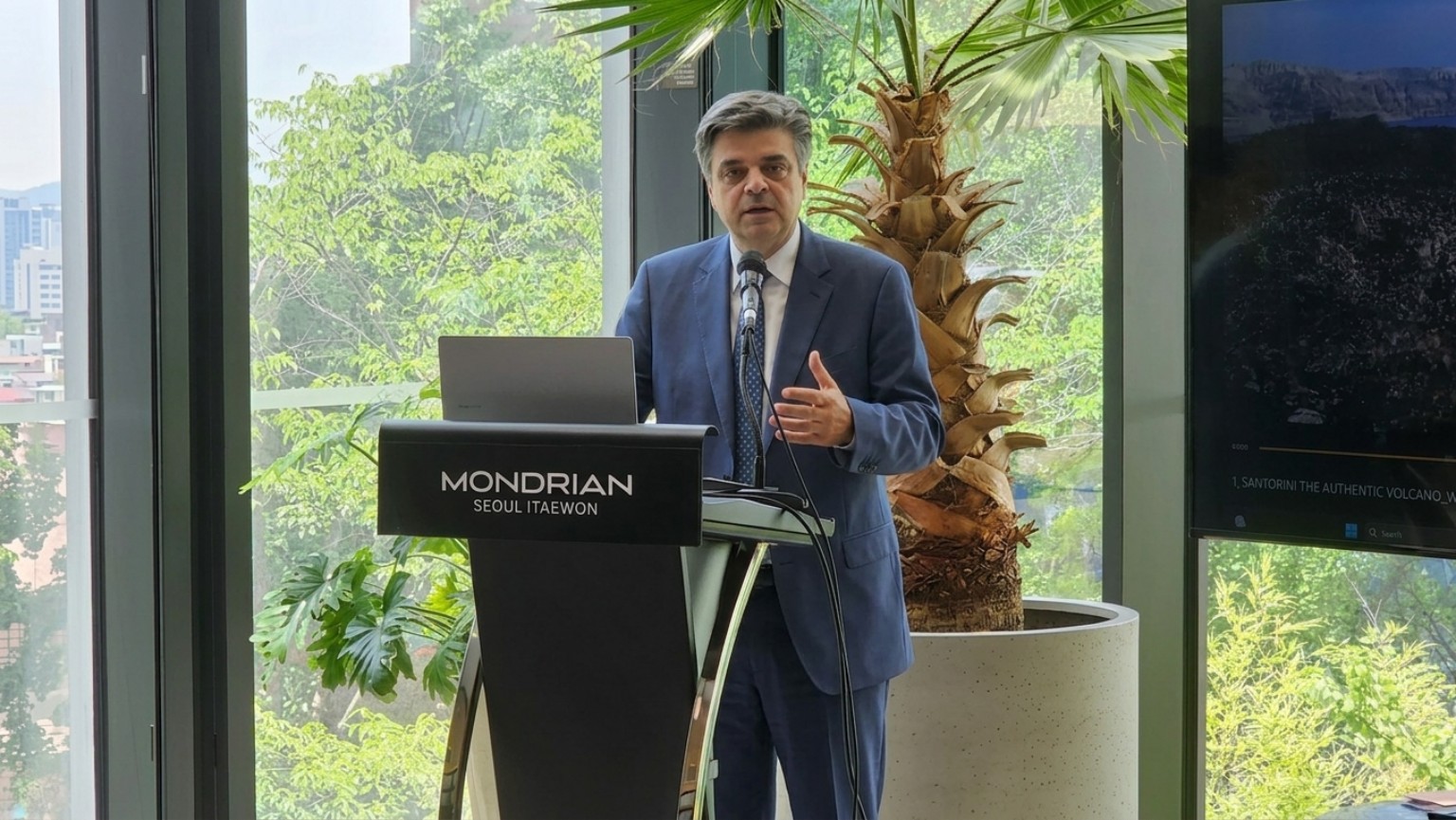
Leading the event was Loukas Tsokos, Ambassador of Greece to the Republic of Korea, who spoke about the values that connect Korean travellers with Greece.
“Koreans value culture, quality, hospitality and meaningful encounters with local communities,” Ambassador Tsokos said. “These are exactly the qualities Greece is proud to offer — in the past, today and in the future.”
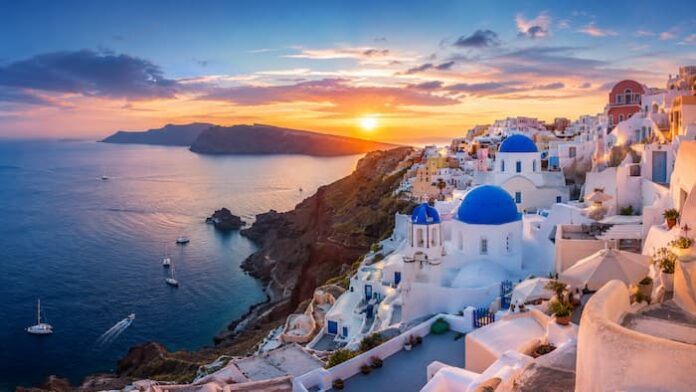
He noted that Santorini has become almost synonymous with Greece for many Koreans. During visits to Korean universities, businesses and institutions, he often finds that the island immediately comes to mind whenever Greece is mentioned.
Yet, Tsokos stressed that Santorini represents far more than whitewashed houses and blue domes. He described the island as a destination of traditions, gastronomy, heritage and hospitality — a reflection of the wider qualities that define Greece itself.
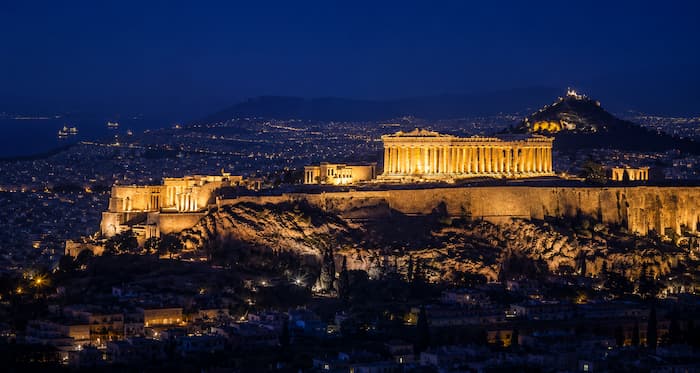
Villy Christofilopoulou, Head of Advertising Department at the Greek National Tourism Organisation, then presented Greece’s broader tourism vision for Korea. Her presentation moved beyond Santorini to showcase the country’s diversity — from Athens and Crete to the Peloponnese, island experiences, archaeology, gastronomy, wine and cultural travel.
The presentation focused on one central idea: Greece should be experienced as a country of many journeys rather than a single destination. Officials also shared plans to strengthen storytelling, destination branding and tourism partnerships in Korea.
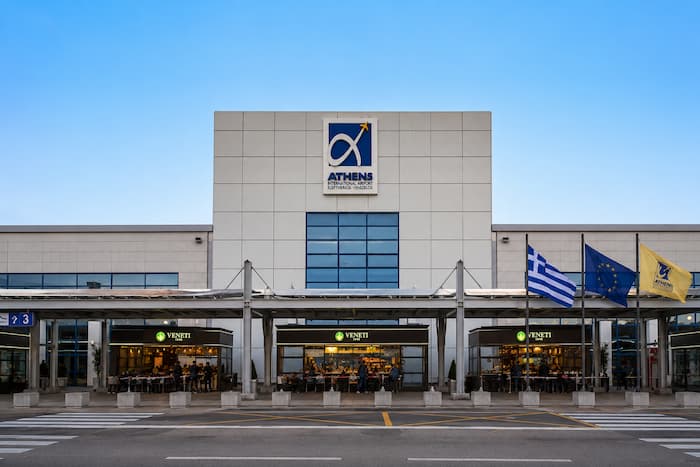 One of the afternoon’s strongest presentations came from Ioanna Papadopoulou, Director of Communications & Marketing at Athens International Airport, who described Athens not simply as a gateway to Greece but as an increasingly important aviation hub linking Europe, the Eastern Mediterranean, the Balkans and North Africa.
Athens International Airport handled 34 million passengers in 2025, marking its strongest year on record. The airport currently connects 174 destinations across 55 countries, supported by around 70 airlines.
According to airport data, traffic between Korea and Athens has already exceeded 50,000 round-trip passengers, a significant increase compared with pre-pandemic levels. Most Korean travellers currently reach Greece through Middle Eastern hubs such as Dubai, Doha and Istanbul, reinforcing the long-term potential for direct connectivity.
Papadopoulou expressed optimism that a Korean carrier may eventually establish direct service between Seoul and Athens, describing stronger aviation links as an important opportunity for both countries.
The final presentation turned attention to Santorini, though not in the way many expected.
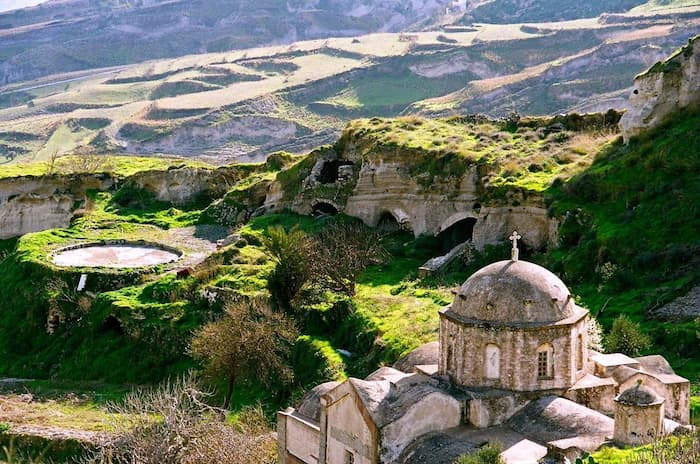 Georgia Nomikou, President of Santorini City Council and Tourism Board Speaker, encouraged the audience to look beyond the island’s familiar postcard image.
Behind Santorini’s caldera views and famous sunsets, she said, lies an island shaped by nearly 7,000 years of history, volcanic geology and cultural resilience. She highlighted Akrotiri — the prehistoric city preserved beneath volcanic ash and often referred to as the “Pompeii of the Aegean” — as evidence of the island’s remarkable depth of history.
Nomikou also spoke about Santorini’s gastronomy, vineyards and local products shaped by volcanic soil, including tomatoes, capers, olive oil and wines rooted in one of the world’s oldest vineyard traditions.
At the same time, she emphasised sustainability and responsible tourism management, explaining that Santorini continues efforts to balance tourism growth with preservation of local life and heritage.
Still, Santorini remains a destination of romance. Couples from around the world continue to choose the island for weddings, honeymoons and once-in-a-lifetime celebrations.
Yet Nomikou ended on a more personal note.
“Santorini is not simply a place to visit,” she said. “It is a place you wish to protect.”
The Seoul gathering ultimately offered a broader portrait of Greece — one extending far beyond Santorini’s familiar image to include culture, gastronomy, aviation, heritage and deeper travel experiences.
여행레저신문 Copyrights ⓒ The Travel News. 무단전재 및 재배포 금지.