
강정호 기자 ㅣ 여행레저신문
Tanzania’s tourism roadshow in South Korea achieved something more important than simply placing the Serengeti, Mount Kilimanjaro and Zanzibar before another overseas audience. By taking its delegation beyond Seoul to Busan and Jeju, meeting travel professionals in several regions and presenting both tourism and investment opportunities, Tanzania demonstrated that it sees South Korea as a market worth developing rather than a venue for a one-time promotional appearance.
That distinction matters. Many destinations visit Korea, hold a reception, exchange business cards and leave with optimistic statements but no clear path to market. Tanzania’s delegation showed a stronger degree of purpose. It introduced a broad tourism portfolio, listened to questions from Korean industry representatives and signaled an interest in building relationships with tour operators, media and potential business partners. The roadshow created visibility, but more importantly, it created a basis for further commercial discussion.
The visit should therefore be regarded as a meaningful first step. It brought Tanzania closer to Korean travel companies that may previously have viewed the country as attractive but difficult to sell, and it gave Tanzanian suppliers an opportunity to better understand the concerns of a market still relatively unfamiliar with East Africa. The program also helped move the conversation beyond the familiar image of a safari destination by drawing attention to beaches, culture, ecotourism, trekking, investment and regional tourism development.
The difficult part, however, begins after the delegation leaves. A roadshow can generate interest, but it cannot by itself create a market. The value of the Seoul, Busan and Jeju events will ultimately be measured by whether the meetings produce tour programs, contracts, sales campaigns and repeat engagement. Without structured follow-up, even a well-received event can quickly become a collection of photographs, speeches and contacts that are never converted into business.
Tanzania’s Tourism Strength Is Already Clear
Tanzania does not suffer from a shortage of internationally recognized attractions. Few countries can offer such a powerful combination of wildlife, landscape, history and ocean tourism within a single national brand.
The Serengeti is one of the world’s most recognized safari destinations, while the Ngorongoro Conservation Area offers a distinctive combination of wildlife, geology and human history. Mount Kilimanjaro gives Tanzania a global position in trekking and adventure travel, and Zanzibar adds Indian Ocean beaches, Stone Town, Swahili culture and the legacy of the spice trade. Together, those assets give Tanzania a depth that many long-haul destinations would find difficult to match.
The country’s strength is also broader than its best-known icons. Tanzania can offer cultural tourism, marine activities, community experiences, photography, conservation travel, wellness, food, honeymoon travel and small-scale incentive programs. That range gives the country a strong foundation for the Korean market, where experienced travelers increasingly seek journeys built around specific interests rather than standard sightseeing itineraries.
Tanzania’s delegation deserves credit for presenting the country in that wider context. The roadshow did not rely only on dramatic wildlife images. It introduced the possibility of combining safari with beaches, nature with culture and adventure with high-end accommodation. That broader positioning is essential because Tanzania cannot build a sustainable market in Korea by selling one image to every traveler.
The increase in Korean visitor numbers from a small historical base to a more meaningful recent level also suggests that interest already exists. The market remains limited when compared with major Asian destinations, but the growth is notable for a country that requires long flights, a high travel budget and relatively complex planning. Korea is not yet a large source market for Tanzania, but it is no longer a market that can be dismissed as marginal.
A Single Tanzania Package Will Not Build a Sustainable Market
The Korean outbound market is highly segmented, and Tanzania’s product strategy must reflect that reality. A traveler planning a first safari, a couple looking for a honeymoon destination, a photographer pursuing the great migration and a climber preparing for Kilimanjaro are not buying the same experience. Their budgets, expectations, physical requirements and travel periods differ significantly.
A generic Tanzania tour may be easy to describe, but it is unlikely to compete effectively. The market needs clearly defined products that explain who the journey is for, how much time it requires, what level of comfort it provides and what makes it distinct from other African itineraries.
The first major segment is premium safari travel built around private or small-group vehicles, experienced guides, carefully selected lodges and a clearly explained wildlife circuit. Korean travelers willing to spend heavily on a once-in-a-lifetime journey will expect more than access to national parks. They will want comfort, service consistency, safety and a high degree of personal attention.
A second opportunity lies in honeymoon and anniversary travel, particularly itineraries combining a safari with Zanzibar. Tanzania has the rare advantage of pairing a major wildlife experience with an Indian Ocean destination under one national brand. Yet the combination must be designed carefully, with clear information on flight connections, lodge standards, resort quality, travel fatigue and the balance between activity and rest.
A third segment is special-interest travel, including Kilimanjaro trekking, wildlife photography, conservation and nature expeditions. These travelers are often willing to spend more and stay longer, but they expect specialized guides, realistic preparation advice and a high level of operational detail. A photography product, for example, cannot simply be a standard safari with cameras added to the description. Vehicle configuration, shooting time, seasonal conditions and guide expertise must be built into the itinerary.
The fourth segment is small-scale incentive and MICE travel. Tanzania may not yet be positioned for large Korean corporate groups, but it has clear potential for executive incentives, association travel and specialized small groups seeking an exceptional destination. Safari lodges, Zanzibar resorts and cultural programs can support this market if logistics, group handling and service standards are explained with precision.
Each product must answer the questions Korean consumers ask before booking: How many days are required? What is the full expected cost? Which flights and transfers are involved? What physical demands should be expected? What standard of accommodation is included? Which season offers the best value or wildlife experience? What happens when a flight is delayed or a domestic connection is missed?
Trust Will Determine Which Products Reach the Market
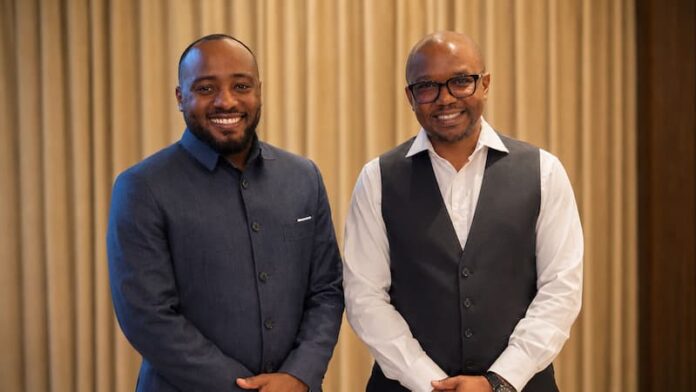
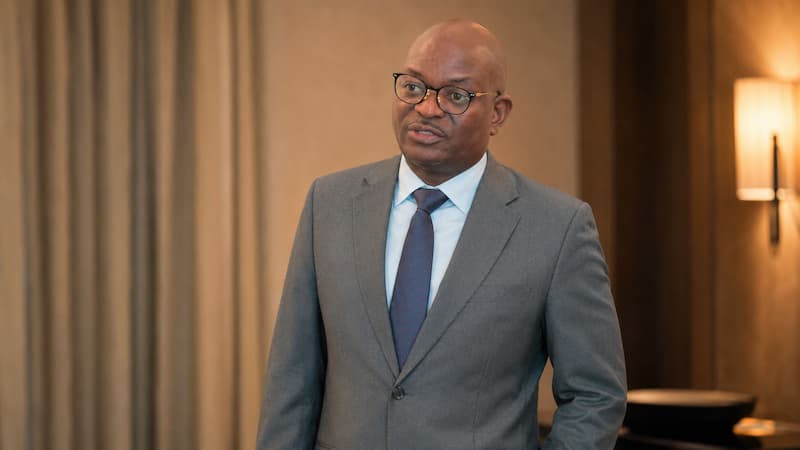
Tanzania’s tourism officials also deserve recognition for showing a genuine interest in understanding how the Korean market operates. George Joel Mwagane of the Tanzania Tourist Board did not limit his role to repeating a prepared destination presentation. During his engagements in Korea, he sought to understand what Korean travelers and travel companies need and emphasized the importance of cooperation between Tanzanian suppliers and Korean tour operators.
That approach is particularly important in a market where trust often comes before price. For Korean travel companies, Tanzania is not a product that can be assembled casually. A single itinerary may involve international airlines, domestic flights, safari vehicles, park authorities, remote lodges, local guides and island transfers. The failure of one component can affect the entire journey, and problems in a long-haul destination are difficult and expensive to resolve.
The quality of the local destination management company is therefore central to the sale. Korean operators need to know whether vehicles are reliable, guides are professionally trained, accommodation matches the promised standard and emergency procedures are in place. They also need transparent information on payment terms, cancellation policies, itinerary changes and responsibility when services fail.
The roadshow created an opportunity for Korean companies to meet Tanzanian partners directly, and that is one of its strongest achievements. Direct contact helps reduce uncertainty and allows both sides to assess whether a long-term relationship is possible. Tanzania should now build on that achievement by identifying credible operators, maintaining updated supplier information and creating a structured follow-up process after the event.
John P. M. Masuka, commercial counsellor at the Embassy of the United Republic of Tanzania in Seoul, is also an important part of that institutional foundation. His continuing efforts to expand tourism, trade and economic cooperation have helped maintain Tanzania’s presence in Korea beyond individual promotional events. The roadshow benefited from that accumulated network and from the embassy’s ability to connect tourism promotion with wider bilateral engagement.
Business cards are useful only when they lead to continued conversations. The Tanzania Tourist Board and the embassy can play complementary roles by matching reliable local companies with suitable Korean partners, supporting joint product development and helping resolve the information gaps that often prevent African products from reaching the Korean market.
Air Access Is a Challenge, but It Can Be Managed
The absence of nonstop air service remains one of the greatest obstacles to Tanzania’s growth in Korea. Travel requires at least one international connection, usually through a major hub in the Middle East, Africa or another region, and itineraries combining safari areas with Zanzibar may include additional domestic flights or transfers.
This is a real disadvantage, but it should not be treated as an excuse or hidden behind promotional language. Long-haul destinations succeed when they explain complexity better than their competitors.
Korean travelers need clear guidance on available routes, total journey time, baggage handling, connection risks and stopover possibilities. They also need itineraries designed to reduce unnecessary backtracking. The order in which travelers visit safari regions and Zanzibar can significantly affect fatigue, cost and satisfaction, yet such details are often buried in technical schedules rather than explained as part of the product.
Tanzania cannot reduce the physical distance from Korea, but it can reduce the psychological distance created by uncertainty. When travelers understand where they will connect, how long each stage will take and what support is available if plans change, the destination becomes more manageable.
Airlines, Tanzanian DMCs and Korean travel companies should therefore cooperate on a small number of recommended routing models. Those models should include realistic connection times, sample schedules, stopover options and contingency plans. They should also show which routes are best suited to safari-only travel, safari-and-Zanzibar combinations, Kilimanjaro programs and premium short-stay itineraries.

The Roadshow Needs a Year-Round Market Strategy Behind It
The strongest roadshows are those that form part of a wider strategy rather than stand alone as isolated events. Tanzania’s Korea visit generated useful attention and goodwill, but both will fade unless the country remains visible after the delegation has returned home.
Korean travelers rarely choose a destination after a single encounter. They search repeatedly, compare routes and prices, watch videos, read media coverage and look for reviews from travelers they trust. A destination that appears only during an annual exhibition or roadshow is unlikely to remain high in the consumer’s consideration.
Tanzania therefore needs a year-round program that combines trade development and consumer communication. Travel agency training should be followed by product workshops, sales materials and direct access to verified local partners. Korean-language articles and videos should explain not only the beauty of the destination but also the practical realities of travel. Familiarization trips should be designed around specific products rather than broad sightseeing, and media visits should generate content that remains searchable long after an event has ended.
The content strategy must also become more varied. Wildlife will always be Tanzania’s strongest global image, but repeatedly showing the same lions, elephants and migration scenes will not develop multiple market segments. Korean audiences should also see Kilimanjaro preparation, Zanzibar culture, private safari lodges, marine activities, food, local communities, honeymoon experiences and photography journeys.
This is where the tourism authority’s role becomes especially important. It does not need to sell packages directly, and it should not attempt to replace the Korean travel trade. Its role is to supply knowledge, credibility, contacts and consistent destination content so that Korean companies can build and sell products with confidence.
Tanzania Has Made a Strong Start. Execution Will Decide the Outcome.
The Seoul, Busan and Jeju roadshow should be recognized as a positive and serious move. Tanzania did not limit its engagement to a single event in the capital, and its delegation presented a country with both iconic tourism assets and a wider ambition for cooperation. The willingness to meet Korean travel professionals, listen to market concerns and discuss future partnerships gave the visit greater value than a routine destination presentation.
That effort has created momentum. It has also raised expectations. Korean travelers now need products they can understand and purchase. Korean tour operators need local partners they can trust. The market needs clearer solutions for air access and domestic connections. Korean-language information must remain available after the roadshow, and the contacts made during the visit must be developed into working relationships.
None of those tasks is simple, but Tanzania is starting from a strong position. It has globally recognized attractions, a diverse tourism portfolio and officials who have shown genuine interest in the Korean market. What it needs now is consistency, segmentation and follow-through.
A roadshow can open a door, but it cannot build the market on its own. Tanzania has opened that door with a promising and successful first step. The real measure of success will be what it does next.
여행레저신문 Copyrights ⓒ The Travel News. 무단전재 및 재배포 금지.